Streaming platforms often promote global access, but regional differences remain. The Differences Between Global and Local Streaming Catalogs are shaped by contracts, laws, and ownership rights.
This article explains why Netflix and Disney+ show different titles depending on your country. You’ll learn how platforms decide what content to display where and how this affects your viewing experience.
How Licensing Rules Shape Streaming Libraries?
Regional licensing rules are the main reason catalogs vary. Platforms cannot always secure worldwide rights for every show or movie.
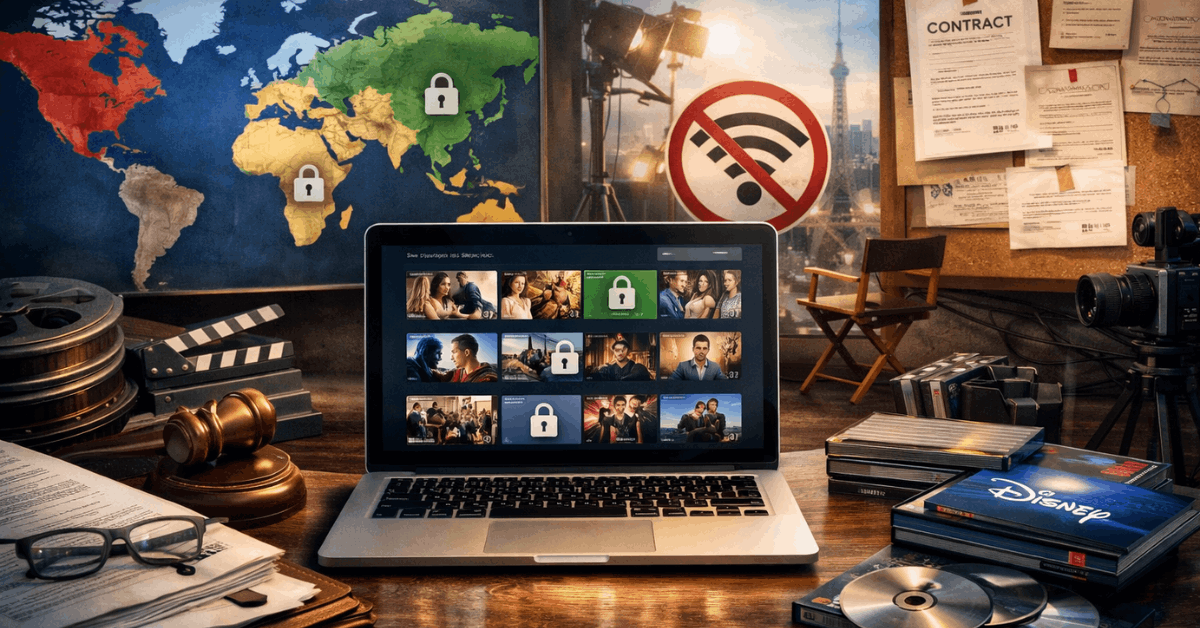
Why Content Isn’t Available Everywhere?
Netflix negotiates licenses separately for each country or territory. A title may stream in one region but remain unavailable elsewhere due to exclusive local contracts.
Broadcast agreements with local networks often block streaming access. Disney+ avoids some of these limits because it owns much of its content. Even so, legacy contracts still restrict availability in certain markets.
What Happens When Rights Expire or Change?
Licensing agreements are time-limited, not permanent. Titles disappear when contracts expire or shift to another distributor.
Netflix regularly removes and restores content based on renewal cycles. These changes happen at different times in different regions. This leads to unexpected removals for viewers.
Ownership Strategy: Disney+ vs Netflix
Content ownership strongly affects global availability. Platforms rely on a mix of original productions and licensed titles.
Netflix: A Mix of Originals and Local Licenses
Netflix releases many original series worldwide. It also licenses popular shows region by region. This creates variety, but also inconsistency.
Some well-known titles appear in one country but not another. Netflix adjusts libraries to match local viewing habits, which increases fragmentation.
Disney+: Control Over Franchises
Disney+ benefits from owning major franchises like Marvel and Star Wars. This allows more consistent global distribution.
Still, regional censorship and old licensing deals slow releases. Some titles remain unavailable due to pre-existing agreements. Ownership reduces gaps but does not eliminate them.
Real Catalog Examples That Vary by Country
Regional differences become clear when you compare specific titles across countries. Availability often changes without notice.
- Better Call Saul appears in some regions due to network exclusivity rights
- Grey’s Anatomy streams on different platforms depending on regional distribution deals
- The Simpsons launched later in some countries because of legacy contracts
- Star-branded content appears outside the US but not in domestic catalogs
These examples highlight how rights management directly affects access.
Censorship and Local Regulations Impact What You See
Local laws and regulations shape what content platforms can show. These rules vary widely by country.
Edited or Blocked Titles
Some governments restrict content involving violence, politics, or religion. Platforms may edit scenes or remove titles entirely.
Disney+ has delayed releases due to government review processes. Netflix also removes content when legally required. These decisions are driven by compliance, not platform preference.
Age Ratings and Classification Delays
Every country applies its own content classification system. Titles may require re-rating before release. This process causes delays even when the content is approved. Some shows appear weeks later due to the administration.
strative reviews.
How Platforms Handle Release Timing Globally?
Availability depends not only on rights but also on release schedules. Timing differences create uneven access.
Simultaneous vs Delayed Releases
Some originals launch worldwide on the same day. Others are delayed due to broadcast windows or regional obligations.
Netflix attempts global releases more often. Disney+ still manages staggered launches in certain regions. These gaps impact viewer expectations.
Staggered Season Drops
Entire seasons may arrive earlier in one country. This encourages spoilers and frustrates international viewers.
Delays often exist to protect local partners. Platforms are improving coordination, but inconsistencies remain.
Regional Content Investments
Streaming platforms invest differently depending on market demand. This creates exclusive regional libraries.
Netflix Pushes Local Originals
Netflix produces content in Asia, Europe, and Latin America. These shows are often released locally first.
Global expansion depends on performance metrics and subtitling readiness. Regional focus increases diversity but limits global uniformity.
Disney+ Stays Focused on Global Franchises
Disney+ prioritizes international franchises over regional originals. This ensures brand consistency.
However, it limits local experimentation. The result is a more predictable but less varied catalog.
Geo-Blocking and the VPN Workaround
Geo-blocking enforces location-based access. Users encounter restrictions when traveling or switching regions.
- Streaming access is tied to your IP location
- VPN usage is actively detected and restricted
- Accounts may experience playback errors
- Terms of service prohibit location masking
These limitations reduce unauthorized access but frustrate users.
Ways to Compare Streaming Libraries by Country
Users can check availability using comparison tools. These tools reduce guesswork.
JustWatch and Unogs
JustWatch shows what’s available per country and platform. Unogs focuses on Netflix regional catalogs.
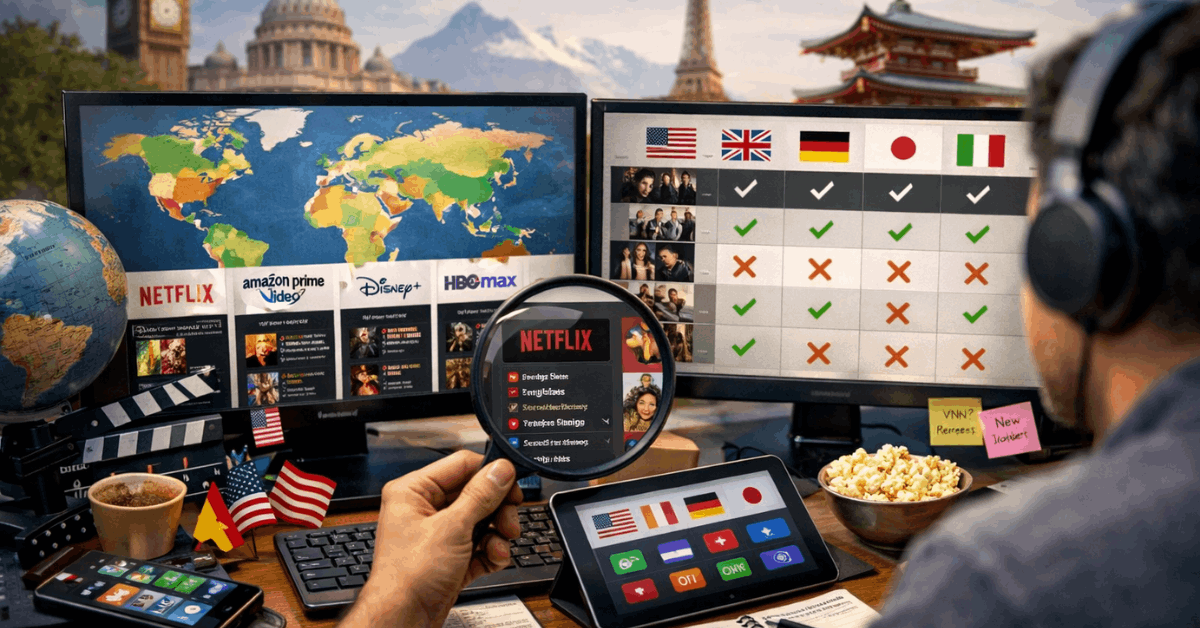
Both tools help track availability differences. They support informed subscription decisions.
Check Platform Help Pages
Official help centers explain regional limitations. Platforms outline why content may be unavailable.
These pages sometimes include future availability updates. They offer the most reliable explanations.
Why Netflix Users Often See More Fluctuation?
Netflix is more dynamic and customizable per region. This means more frequent changes for users.
Netflix adapts its libraries weekly to match viewer behavior. It rotates content aggressively across countries. This leads to both new additions and sudden removals.
Many users in smaller countries report fewer options compared to US or UK libraries. Flexibility makes it powerful, but inconsistency frustrates users.
Disney+ and the Star Brand Expansion in Europe
In some countries, Disney+ includes Star, a separate brand with more mature content. This dramatically changes catalog size.
Star is available in Europe, Australia, and parts of Asia. It adds titles like Deadpool, Family Guy, and The X-Files. These aren’t available in the US Disney+ catalog due to brand image and Hulu separation.
European users enjoy a broader offering that mixes family and adult content. This is one reason why Disney+ EU feels more complete to many users.
Sectioned Format — Why Catalogs Evolve Over Time
Streaming libraries change constantly. Updates depend on contracts and performance.
Catalog Changes Depend on Licensing Cycles
Most removals occur when licensing periods end. Netflix rotates titles more frequently. Disney+ updates are slower but still affected. Monthly changes are common.
Consumer Behavior Affects Catalog Composition
Platforms track regional viewing data. Popular titles stay longer. Underperforming content is removed. Viewer behavior directly shapes future libraries.
What You Can Do as a Smarter Viewer
Streaming platforms continue to expand, but the Differences Between Global and Local Streaming Catalogs remain unavoidable. Knowing how licensing, laws, and ownership work helps you set realistic expectations.
Comparison tools and official resources give you practical control. Use this knowledge to make smarter streaming choices wherever you are.