Streaming platforms may feel global, but their libraries are still shaped by local rules, older contracts, and market decisions.
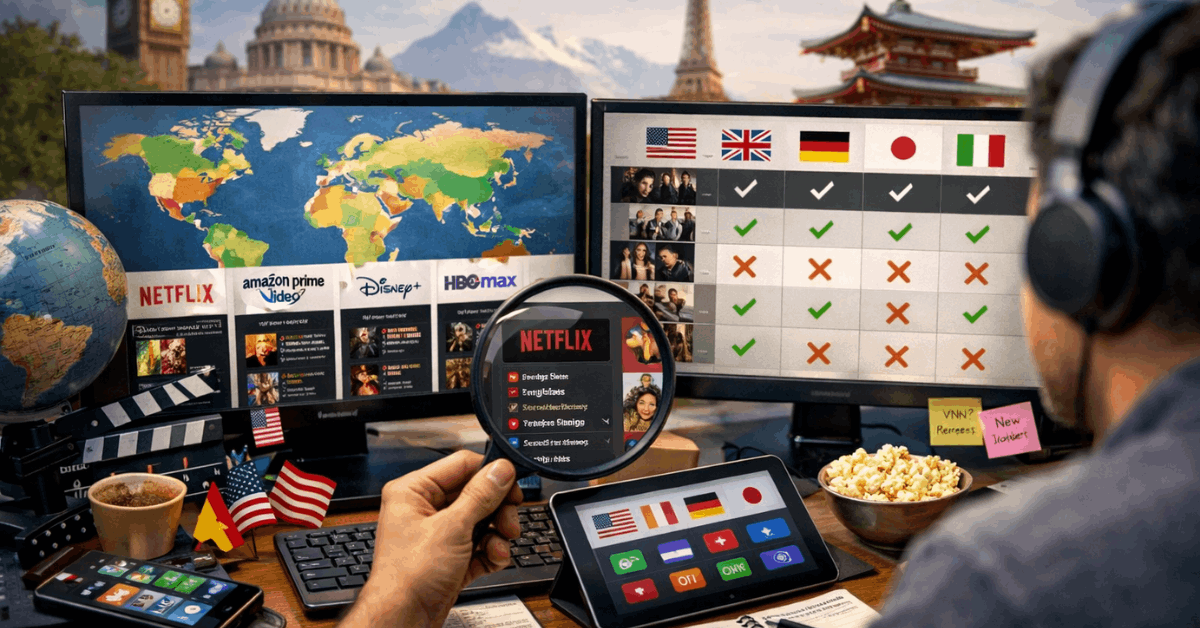
The Differences Between Global and Local Streaming Catalogs explain why a show may appear on Netflix in one country but disappear completely in another. Disney+ also changes from region to region, even though it owns many of its biggest franchises.
This article explains how licensing, ownership, censorship, release timing, and regional demand affect what viewers actually see.
Why Streaming Libraries Change by Country?
A streaming catalog is not just a list of titles chosen by the platform. It is the result of rights agreements, local laws, distribution deals, and audience behavior. This is why two people using the same service in different countries may see very different homepages.
Licensing Deals Control Where Titles Appear
Licensing is one of the main reasons a title is not available everywhere. Netflix often negotiates rights by country or region, so a film may stream in Japan, leave the UK, and never appear in another market.
These deals are usually tied to time limits, local partners, and older distribution contracts. Viewers may only notice the issue when a title they expected to watch is missing from their local catalog.
Also read: Streaming Services Explained for Casual Viewers
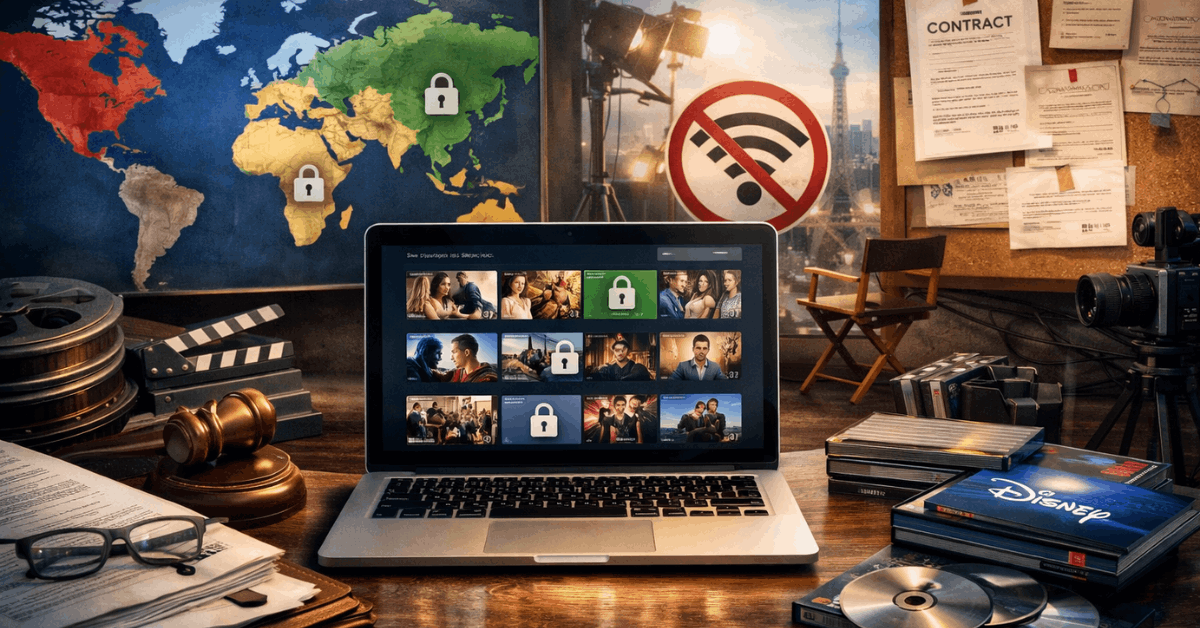
Disney+ has more control over many of its films and series because it owns major brands like Marvel, Pixar, Star Wars, and Disney Animation.
However, ownership does not always mean immediate global access. Some titles are still affected by older agreements with broadcasters, cinemas, or regional streaming partners. That is why even Disney-owned content can face release delays or regional gaps.
Titles Can Disappear When Rights Expire
Streaming libraries are not permanent. A movie or show may leave a service when its license expires, even if it was popular with viewers.
Netflix is especially known for frequent catalog rotation because it relies on both originals and licensed content. This creates a library that feels fresh, but also less predictable for users who save titles for later viewing.
Rights can also move from one company to another. A series that once streamed on Netflix may shift to a local broadcaster, a competing platform, or the studio’s own service.
This can frustrate viewers because the change may happen with little warning. Checking availability before subscribing or starting a long series can help avoid unexpected removals.
Netflix and Disney+ Use Different Catalog Strategies
Netflix and Disney+ do not build their libraries in the same way. Netflix depends on a mix of originals, regional licensing, and local productions, while Disney+ leans more heavily on owned franchises and brand consistency. These choices affect how stable or varied each catalog feels.
Netflix Balances Originals and Regional Licenses
Netflix has invested heavily in original content that can be released across many countries. This helps the platform reduce dependence on outside studios and offer shows that feel available in more places.
At the same time, Netflix still licenses many well-known titles market by market. That mix gives users variety, but it also creates regional differences.
A Netflix user in one country may see more local dramas, while another may see a stronger selection of Hollywood films or international thrillers.
This happens because Netflix studies viewing habits in each market and adjusts the catalog accordingly. The result can feel more personal to a country’s audience, but less consistent worldwide. For viewers, Netflix offers range, but not always global uniformity.
Disney+ Benefits From Stronger Ownership
Disney+ has an advantage because many of its biggest titles belong to Disney itself. Franchises like Marvel, Star Wars, Pixar, and Disney classics can often be distributed more consistently across different regions.
This gives the platform a clearer identity and makes its library easier to understand. Families and franchise fans usually know what type of content experience to expect.
However, Disney+ is not free from regional complications. Some markets still have old licensing arrangements that delay or restrict certain releases.
Local rules may also affect whether a title appears as originally produced or becomes unavailable. Ownership reduces catalog gaps, but it does not remove every market limitation.
Real Examples Show How Regional Catalogs Differ
Regional catalog differences become easier to understand when looking at familiar titles. Some shows and movies appear in one country because of local rights, while others are delayed due to older contracts or platform separation. These examples show why availability can feel inconsistent even on major services.
A few common catalog differences include:
- Better Call Saul may appear in some regions because local streaming rights differ from US distribution arrangements.
- Grey’s Anatomy can move between platforms depending on regional broadcast and streaming agreements.
- The Simpsons launched differently across some markets because older contracts affected availability.
- Star-branded content appears inside Disney+ in some countries, while US viewers may find similar content connected to Hulu.
These examples show that catalog gaps are not always random. They usually come from contracts, branding decisions, or local distribution rules.
For viewers, the practical lesson is simple: a platform name does not guarantee the same title availability everywhere.
Local Rules Can Change What Viewers See
Streaming services also have to follow the laws of the countries where they operate. These rules can affect age ratings, release dates, edits, and even whether a title appears at all.
The platform may own or license the content, but local regulation still has final influence in some cases.
Some Titles Are Edited, Delayed, or Removed
Governments may restrict content connected to violence, politics, religion, sexuality, or other sensitive topics. When this happens, platforms may delay a release, remove a title, or provide an edited version depending on the market.
Netflix and Disney+ both have to comply with local laws when they operate in a country. These decisions are often about legal compliance, not personal preference from the platform.
This can confuse viewers who see news about a release online but cannot find it in their own app. Sometimes the title is still under review, and sometimes it has been blocked or changed.
The safest approach is to check official platform notices or reliable catalog tools before assuming the service has made a mistake. Regional rules can quietly shape the viewing experience more than many users expect.
Age Ratings Can Delay Releases
Every country has its own content classification system. A show that is already available in one market may still need rating approval in another before it can appear.
This can delay releases even when the platform already has the rights. These delays are often administrative rather than creative, but they still affect release timing.
Age ratings also influence how content appears inside profiles. A title may be hidden from children’s accounts, placed behind maturity settings, or limited based on local classification.
This is especially important for families using shared streaming accounts. Reviewing profile settings can help prevent confusion when a title is available but not visible under a restricted profile.
Release Timing Is Not Always Global
Some viewers expect streaming releases to happen everywhere at the same time. That happens with many major originals, but it is not guaranteed for every title.
Release timing depends on rights windows, dubbing, subtitles, local promotions, and existing partner agreements.
Global Releases Are Easier for Originals
Netflix often launches original series worldwide on the same date. This gives the platform more control and reduces spoilers for international audiences.
Disney+ also uses global releases for major franchise shows when rights and local rules allow it. These coordinated launches create a smoother viewer expectation.
However, licensed content is harder to release globally. A movie may still be tied to a cinema window, cable deal, or local streaming partner in one country.
That means the same title can arrive weeks or months later in another region. The delay may look strange to viewers, but it usually comes from contract timing.
Season Drops Can Still Vary
Even when a series is available internationally, the episode schedule may not match everywhere. Some regions get weekly episodes, while others receive full seasons later.
This can lead to spoilers online and make international viewing feel uneven. For fans following a popular show, staggered releases can be one of the most frustrating catalog issues.
Platforms are improving coordination, but older agreements still complicate timing. Local broadcasters may have first-release rights, or subtitles and dubbing may need more preparation.
Viewers who care about watching immediately should check regional release notes before relying on general announcements. A global trailer does not always mean a same-day release.
Regional Investments Shape What Gets Promoted
Streaming companies do not only import content into each country. They also invest in local productions, regional originals, and language-specific programming.
This makes catalogs more relevant to local viewers, but it also means not every library is designed for the same audience.
Netflix Invests Heavily in Local Originals
Netflix produces and promotes shows from Asia, Europe, Latin America, and other regions. These titles may launch locally first, then expand internationally if performance is strong.
This strategy helps Netflix build stronger connections with different markets. It also makes the platform feel less dependent on Hollywood content.
The downside is that not every local original becomes available worldwide at the same time. Subtitles, dubbing, rights, and demand all affect expansion.
Some viewers may see a strong local catalog, while others may never encounter those titles unless they trend globally. Netflix’s regional strategy supports diversity, but it also adds catalog fragmentation.
Disney+ Focuses More on Franchise Consistency
Disney+ usually feels more consistent because its major brands travel well across markets. Marvel, Star Wars, Pixar, and Disney classics are already familiar to global audiences.
This helps the service maintain a strong identity without relying as much on local experimentation. For many subscribers, that brand clarity is a major platform strength.
Still, Disney+ catalogs are not identical everywhere. Some countries include Star, a brand that adds more mature films and series to the service.
In the US, similar content may be connected to Hulu instead. This is why Disney+ can feel broader in Europe or parts of Asia than it does in some other domestic catalogs.
Geo-Blocking Affects Travelers and Cross-Border Viewers
Geo-blocking is the system that connects streaming access to a viewer’s location. When a person travels, the app may show a different catalog because the device is now detected in another country. This can surprise users who expected their home library to follow them everywhere.
Common geo-blocking effects include:
- Catalog changes when traveling to another country.
- Playback errors when a title is not licensed in the current location.
- VPN restrictions when platforms detect location masking.
- Terms limits that prohibit bypassing regional access rules.
These limits can feel inconvenient, especially for travelers who already pay for a subscription. Still, platforms use them to follow licensing agreements and regional laws.
The most practical option is to download eligible titles before traveling and check whether offline access works in the destination country. This helps reduce problems with location-based access.
How Viewers Can Check Catalog Availability?
Viewers do not have to guess whether a title is available in their country. A few simple checks can make subscription decisions more practical. This is especially useful before paying for a service mainly to watch one show, film, or franchise.
Use Catalog Comparison Tools Carefully
Tools like JustWatch can show where a title is available by country and platform. Netflix-focused databases can also help users compare regional libraries.
These tools are useful for checking whether a title is included, rented, purchased, or available through another service. They are not perfect, but they reduce search frustration.
It is still smart to verify inside the official app before subscribing. Catalog tools can lag behind sudden removals or new additions.
A title may also appear differently depending on profile settings, device, or local maturity ratings. Treat comparison tools as a helpful starting point, not the final confirmation.

Check Official Help Pages and App Labels
Official platform help pages often explain why content changes by region. They may not list every unavailable title, but they can clarify how licensing and location rules work.
App labels are also important because they show whether a title is included, paid, restricted, or connected to an add-on. Reading these details can prevent subscription mistakes.
This matters most on platforms where catalogs mix included and paid content. Users should check whether a title is part of the subscription or only available through rental, purchase, or channel access.
A few extra seconds of review can save confusion later. The goal is not to overthink streaming, but to make the viewing choice more informed and realistic.
Final Thoughts: What Smart Viewers Should Remember?
The Differences Between Global and Local Streaming Catalogs come from licensing rules, ownership strategy, local laws, and regional demand. Netflix changes more often because it combines originals, licensed titles, and market-specific recommendations.
Disney+ feels more stable in many areas, but older contracts and regional brands still affect what appears.
Before subscribing for a specific title, viewers should check current availability, payment labels, and local access rules. A streaming service feels easier to use when expectations match the actual catalog in your country.