Streaming libraries change constantly because of content rights agreements. The concept of How Streaming Platforms Manage Licensing explains why titles appear, disappear, or vary by country.
If you use platforms like Netflix, Hulu, or Disney+, licensing decisions shape your daily viewing options. Understanding these rules helps you plan subscriptions more effectively.
Why Licensing Deals Matter?
Licensing agreements define what content is legally available on a streaming platform. These deals directly affect your watchlist stability and long-term access.
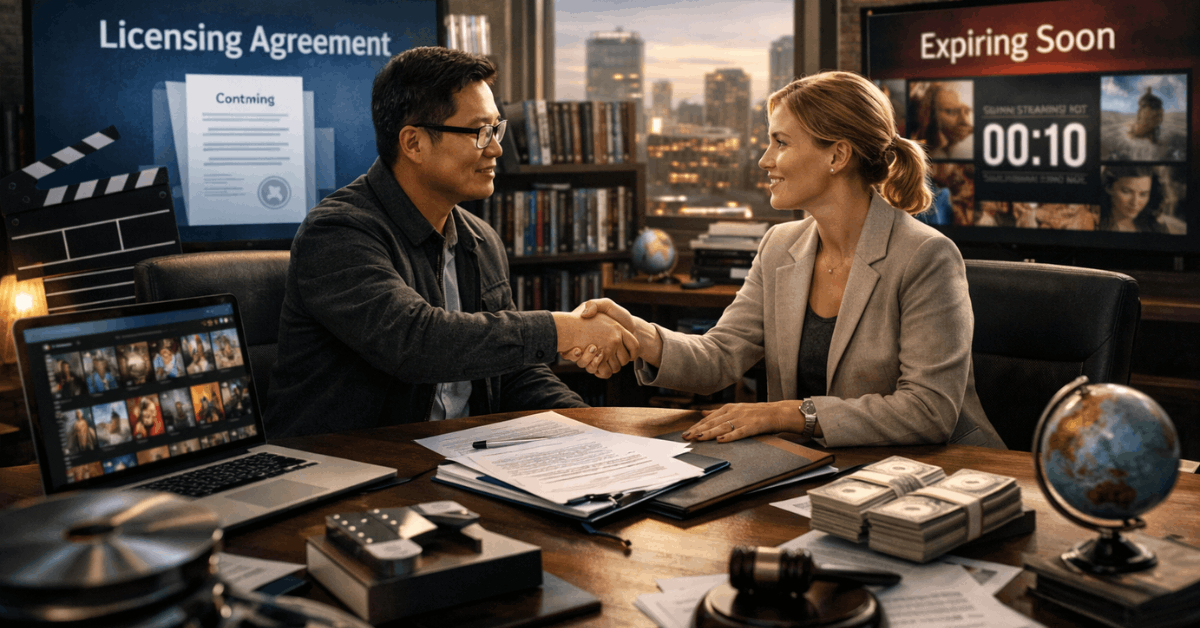
Every movie or series requires formal permission from rights holders. Platforms sign contracts that outline duration, territory, and exclusivity.
When a contract ends, content often leaves without notice. This is why libraries never stay static.
How Netflix Handles Licensing Globally?
Netflix balances licensed content and owned originals to maintain a competitive catalog. Its approach varies by region and viewing data.
Netflix negotiates country-specific licensing deals for many titles. A show available in one region may be missing elsewhere due to territorial rights limits. This explains why libraries differ between countries. Regional laws also shape what Netflix can offer.
Not all Netflix Originals are fully owned. Some are co-productions with timed exclusivity. These titles may still expire or move platforms later. Ownership level determines long-term availability.
Why Shows Disappear From Platforms?
Content removals usually result from expired licensing contracts. This process is planned, not random.
Most licensing deals last one to three years. Platforms evaluate renewal based on cost and performance. If viewership drops or prices rise, renewals may fail. Even popular titles can be affected.
Content rotation helps platforms control budgets and refresh libraries. Removing older titles makes room for new licensed releases. This cycle keeps catalogs financially sustainable. It also encourages ongoing user engagement.
The Cost Factor Behind Licensing Decisions
Licensing costs influence what platforms prioritize or drop. Budget limits shape every decision.
Licensing fees depend on popularity, exclusivity, and demand. Competitive bidding raises prices for well-known titles. Some shows become too expensive to justify. Platforms must weigh cost against expected return.
Viewer behavior plays a major role. Platforms track watch time, completion rates, and replays. Strong engagement supports renewal decisions. Weak performance signals content removal.
How Hulu Approaches Licensing in the U.S.?
Hulu relies heavily on television licensing agreements. Its strategy focuses on domestic availability.
TV Network Deals and Next-Day Airing
Hulu licenses shows from broadcast and cable networks. Many episodes stream the day after airing. However, access windows are often short. Episodes may expire quickly without renewal.
U.S.-Only Streaming Rights
Hulu operates almost exclusively in the United States market. Its licensing agreements reflect domestic-only rights. This limits global expansion. It also reduces international licensing costs.
Disney’s Ownership and Bundling Impact
Disney’s ownership enables internal licensing between services. Some titles move between Hulu and Disney+.
Bundled subscriptions encourage shared content strategies. Regional differences still apply.
How Disney+ Handles Legacy Licensing
Disney+ benefits from owning most of its intellectual property. Older deals still affect access.
Before Disney+ launched, many titles were licensed to other platforms. These long-term contracts delayed availability. As deals expired, Disney reclaimed rights. This process continues gradually.
Disney licenses content internally across brands. Some regions include Star-branded libraries. Parental controls influence content placement. Ownership allows flexible distribution choices.
How Amazon Prime Video Manages Licensing?
Amazon uses a mix of licensed, purchased, and original content. Licensing impacts both Prime subscribers and transactional users.
Amazon licenses shows for inclusion in the Prime Video subscription. These come and go based on standard licensing terms. Some titles are only available for rental or purchase, not included in the plan. This dual model adds complexity.
Originals like The Boys or Reacher avoid licensing risks. Amazon has invested in global rights ownership for long-term control. This keeps major titles from rotating out. It also supports international expansion.
Licensing Windows: Pay-One, Pay-Two, and More
Studios divide licensing into windows to maximize profits. These windows decide when content reaches different platforms.
- Pay-One Window: First-run streaming rights, often held by Netflix or Disney+.
- Pay-Two Window: Secondary release rights, sometimes used by cable or Hulu.
- Broadcast Window: Free TV or network distribution much later.
Understanding windows helps explain why release timelines vary. A movie may stream on one platform, disappear, then reappear elsewhere. Windowing still dominates licensing deals.
Why Streaming Rights Differ By Country?
Regional differences are caused by territorial licensing laws. Rights are sold country by country.
Studios maximize profits through regional exclusivity agreements. One show may appear on different platforms worldwide. This results in uneven libraries. Geography matters more than language.
Local regulations also apply. Some countries require local content quotas. Others restrict specific genres. Platforms adjust licensing to comply. These rules shape availability.
How Streaming Platforms Choose What to Renew?
Renewals depend on data-driven evaluations, not popularity alone. Platforms analyze performance carefully.
Renewal decisions usually consider:
- Viewer engagement metrics, such as watch time
- Rising licensing costs during renegotiation
- Strategic value for marketing or bundles
If costs outweigh benefits, content leaves. Emotional attachment doesn’t affect licensing math. Planning always happens months in advance.
Why Platforms Invest in Originals?
Original content reduces long-term licensing dependency. Ownership brings control.
Owned titles have no expiration limits. Platforms can distribute them globally. Licensing restrictions are minimal. This improves consistency across regions.
Originals also support franchise expansion and merchandising. Platforms build recognizable brands. This strategy lowers future licensing risk. Ownership secures long-term value.
What Licensing Means for You?
Licensing rules shape your daily streaming experience. Awareness helps manage expectations.
Expect content rotation across platforms. Expect regional limitations when traveling. Expect bundled access models to increase. Understanding licensing helps you subscribe smarter.
What to Expect as Licensing Evolves?
Licensing strategies continue to change with market competition. Several trends are emerging.
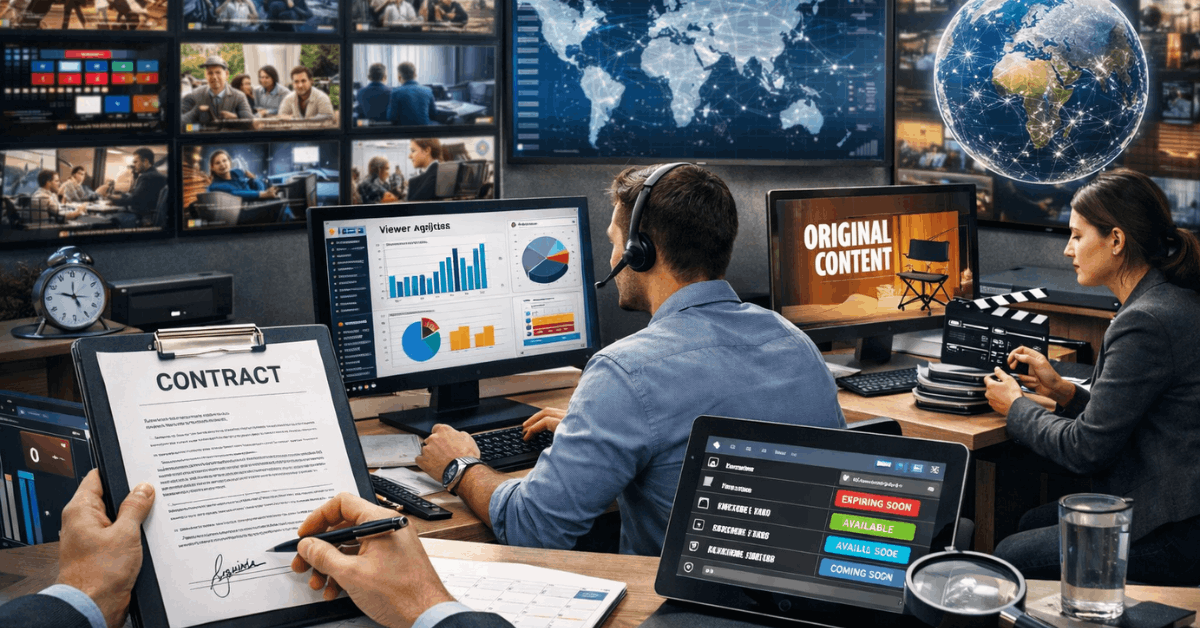
- Shorter contracts allow flexibility
- Viewer data drives faster decisions
- Global rights are increasingly prioritized
- Original content reduces licensing reliance
- Tracking tools help users follow availability
Streaming access will remain fluid. Knowledge helps you adapt. Licensing awareness improves decision-making.
Streaming Availability Demystified
Streaming libraries change because of legal content rights, not chance. The concept of How Streaming Platforms Manage Licensing explains why titles rotate or vanish.
Every addition or removal reflects contract decisions behind the scenes. Knowing this gives you control over how you stream.