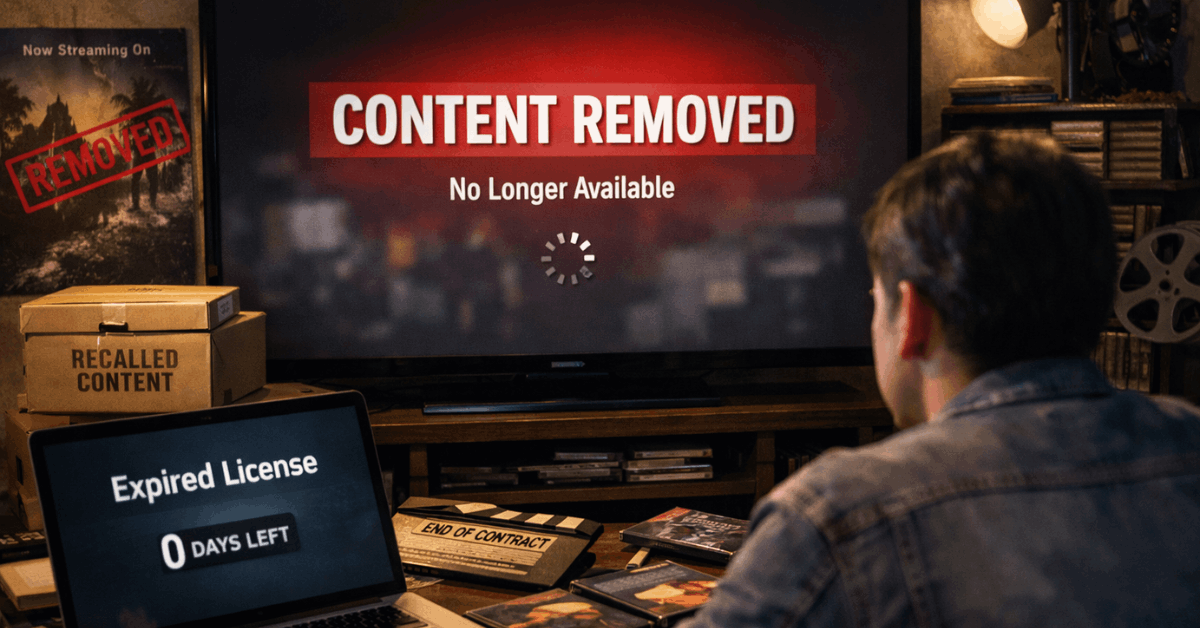
Streaming libraries change more often than many viewers realize. A movie saved for the weekend can disappear, a half-watched series can lose availability, and a title that was once included may suddenly require rental or purchase.
These changes happen because streaming access depends on licensing agreements, ownership rights, regional rules, and platform strategy.
This guide explains why content leaves Netflix, Disney+, and Prime Video, and what viewers can do before a favorite title becomes harder to find.
Why Streaming Content Does Not Stay Forever?
Streaming services may feel like permanent libraries, but most of them are closer to rotating catalogs. When a platform adds a film or series, it does not always own that title.
In many cases, it only has permission to show it for a specific period, in specific countries, and under specific terms. Once that permission ends, the title may leave the content library even if viewers still want to watch it.
This is one of the biggest differences between subscribing and owning. A monthly payment gives access to what the platform currently offers, not lifetime control over every title in the app. That is why a watchlist can change without warning.
For viewers, the safest mindset is to treat streaming as temporary access, especially for licensed movies and older shows.
Licensing Expiration Is the Main Reason
Most removals happen when a license expires. A platform like Netflix, Disney+, or Prime Video may license a third-party title for months or years, but the agreement has an end date.
When that date arrives, the platform must renew the contract, renegotiate terms, or remove the title. If the renewal cost is too high, the content may leave the streaming catalog.
Studios may also reclaim their own shows and movies. As more companies operate their own streaming services, they sometimes prefer to keep valuable titles inside their own ecosystem.
This can explain why a familiar show moves from one service to another. The removal may feel sudden to viewers, but it usually follows a planned rights decision.
Licensing is not the only reason titles disappear. Platforms also study watch time, completion rates, replay activity, and overall demand.
If a licensed title costs a lot but does not attract enough viewers, the platform may decide not to keep it. This is especially common when the same budget could support newer releases or stronger original content.
Content rotation also helps services keep their catalogs feeling fresh. New titles are added, older titles leave, and the homepage changes to match current priorities.
This strategy may work for the platform, but it can frustrate viewers who saved something for later. A title staying online depends on more than popularity; it also depends on business value.
How Netflix Handles Content Leaving?
Netflix has one of the most active rotating catalogs because it mixes originals, international productions, and licensed titles from outside studios. This variety is useful for viewers, but it also means removals happen regularly.
Movies and shows may leave at the end of the month, during licensing renewals, or after regional agreements end. For frequent users, the “Last day to watch” label is an important warning sign.
Why Netflix Titles Disappear Often
Netflix relies heavily on licensing to keep its library broad. A movie may be available in one country but missing in another because rights are sold by territory.
Some removals are temporary, while others happen because another company gains control of the rights. Even popular titles can leave if the renewal deal no longer fits Netflix’s content budget.
Not every Netflix Original is fully owned by Netflix either. Some titles are co-productions or exclusive distribution deals, which can affect long-term availability.
If Netflix does not control the full rights, access may still change later. That is why viewers should not assume that every branded title has permanent availability.
What Viewers Can Do on Netflix?
Netflix sometimes shows expiration notices on title pages. If you see a “Last day to watch” message, prioritize that title before starting something new.
Downloads may help during travel, but they still depend on platform rules, subscription status, and expiration limits. It is better to confirm availability before relying on offline viewing.
Disney+ Has Ownership, but Removals Still Happen
Disney+ feels more stable because Disney owns many of its biggest franchises, including Marvel, Pixar, Star Wars, and Disney Animation.
Ownership gives the company more control than platforms that rely mostly on outside studios. Still, Disney+ is not completely immune to removals. Older contracts, regional agreements, and internal business decisions can still affect title access.
Original Shows Can Still Be Removed
Some viewers assume that originals will stay forever, but that is not always true. A platform may remove its own shows for cost management, tax-related decisions, restructuring, or low long-term performance.
When this happens, the title may not immediately appear anywhere else. That can be frustrating because there may be no simple alternative platform.
This is where streaming feels less secure than physical or purchased media. A show can be marketed as exclusive and still become unavailable later.
If a Disney+ original or special is important to you, watch it while it is available instead of assuming it will remain in the app for future viewing.
Regional Rights Can Create Confusion
Disney+ catalogs can also differ by country. Some markets include extra content through Star, while others separate similar content through different services.
Older licensing deals may delay releases or remove titles temporarily in certain regions. This means two subscribers using the same platform name may still see different regional libraries.
Prime Video Can Be Confusing When Titles Leave
Prime Video is different because it mixes included content, rentals, purchases, channels, and add-ons. A title may be included with Prime one month, then become rental-only later.
This can make removals feel confusing because the title may still appear in search results even after it leaves the subscription library. Users need to check the access label carefully.
Included Titles May Become Paid Options
When a licensed Prime Video title leaves the included catalog, it may not disappear completely. It may shift to rental, purchase, or a paid channel.
This is different from a platform where unavailable content simply vanishes. For viewers, the issue is not always finding the title; it is knowing whether it is still part of the base subscription.
Prime Video users should check whether a title says “Included with Prime,” “Rent,” “Buy,” or requires channel access. This is especially important for shared households.
Without clear purchase controls, someone may accidentally pay for something they thought was included. A few seconds of checking can prevent unexpected charges.
How to Track Titles Before They Leave?
Viewers do not need to rely only on memory or luck. A few simple habits can reduce mid-watch frustration and help you catch expiring titles before they disappear.
Check title pages for leaving-soon notices before starting a long series.
Keep watchlists short so important titles do not get buried.
Use legal trackers like streaming availability apps to see where titles move.
Confirm access labels before assuming a movie is included.
These steps are most useful when you are watching long series, older films, or titles from outside the platform’s own studio.
Original content may stay longer, but even that is not guaranteed. Checking availability is not about overthinking entertainment; it is about avoiding watching interruptions.
Where Removed Shows and Movies May Go?
After a title leaves one service, it may move to another platform, become available for rental, return later, or disappear from streaming for a while.
The next destination depends on who owns the rights and which company signs the next deal. Sometimes the move happens quickly. Other times, viewers may wait months before the title appears through a new provider.
Legal streaming search tools can help identify where a removed title is currently available. Digital rental stores may also carry movies that no longer appear in subscription catalogs.
For favorite films or series you rewatch often, buying a digital or physical copy may be more reliable than waiting for another streaming deal. Subscription access is convenient, but ownership gives more long-term control.
Conclusion: Keep More Control Over What You Watch
When content leaves a streaming platform, it usually reflects contracts, costs, ownership strategy, or regional rights. Netflix rotates titles often because its catalog depends heavily on licensing, while Disney+ has stronger ownership but can still remove shows.
Prime Video adds another layer because included titles may become rentals or channel content. The best approach is to watch expiring titles first, check labels carefully, and use legal tools to follow where content moves next.
Streaming is easier to enjoy when you remember that access can change, and your watchlist is only useful when it matches the current catalog.