Across five seasons, the Breaking Bad story locks into a single tragic arc that never wastes a choice or a consequence. Under the first 100–150 words requirement, the focus keyword appears here naturally while setting the scope.
As a viewer, you watch a quiet chemistry teacher face Stage IIIB lung cancer, choose a criminal solution, and invite an escalating reckoning that touches everyone in his orbit. After the diagnosis, each step tightens the chain until the ending lands with cold, coherent inevitability.
How The Breaking Bad Story Locks Together
Every plot turn grows out of an earlier decision, which is why the narrative reads as one continuous fall rather than a stack of twists. As a viewer, you see survival justify the first crime, then ego justify the next, then power hunger justify the rest.
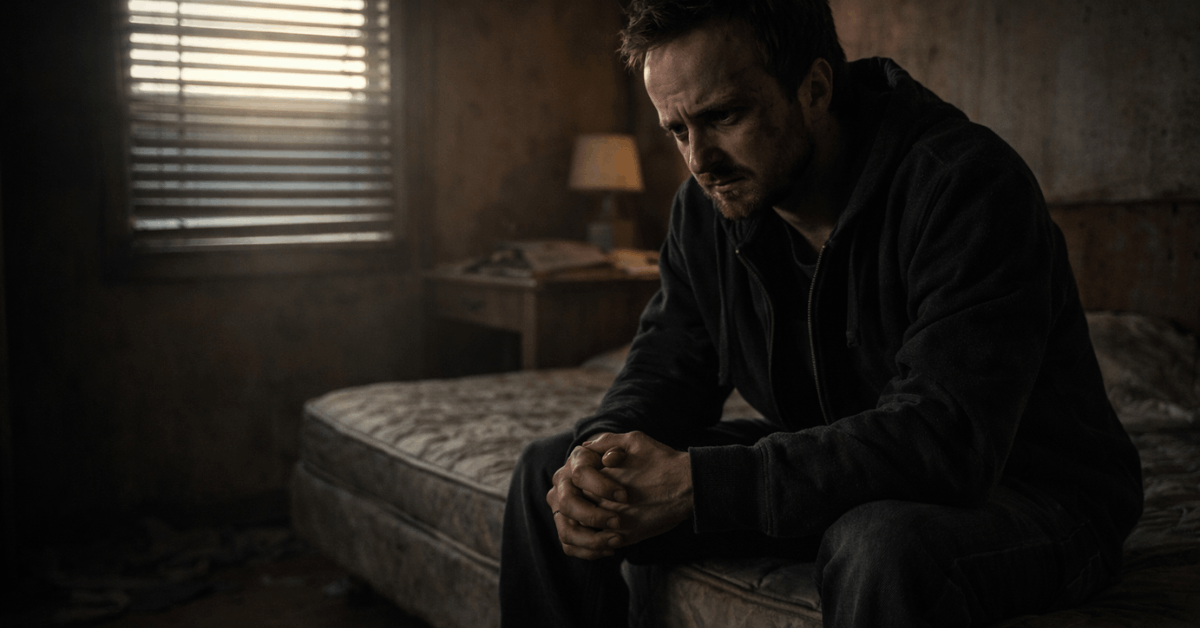
Because motives keep shifting, the same actions feel different over time, and that is where the moral corrosion becomes visible. The show treats Albuquerque as a pressure cooker where family, pride, and opportunity collide.
Under that heat, the Walter White transformation becomes less about money and more about control, reputation, and the thrill of mastery. Across the Breaking Bad timeline, cause and consequence operate like physics, not fate.
Inciting Diagnosis and The Moral Frame
Stage IIIB lung cancer sets the problem and the tone. As a viewer, you meet a gifted teacher underpaid, underappreciated, and running out of time. Financial fear gives the initial rationale for cooking meth, which lands as sympathetic even while it crosses a line.
After a few early wins, the rationale mutates into something harder, which is the real point. Another critical choice appears when Walt refuses legitimate help from Gretchen and Elliott.
Pride beats practicality, and that single decision threads forward into lies, laundering, and a double life. Under this frame, the Breaking Bad story shows how one choice can rewire a family’s future.
Jesse Pinkman: Mirror, Partner, and Consequence
Jesse begins as a failed former student who knows the street and fears the lab. As a viewer, you watch the partnership harden into a warped parent-child bond that cuts deeper than either character understands.
The Jesse Pinkman arc climbs toward conscience while Walt descends toward domination, and that crossing makes their late-series conflict feel earned. Deaths that surround Jesse carry ripples that connect seasons rather than scenes.
Jane’s overdose breaks his sobriety, corrodes his trust, and sets off the mid-air collision that stains the entire city. Later, Brock’s poisoning destroys what little faith remained, which becomes the fuse for the final split.
Cause-and-Effect Engine Of The Plot
Clear cause and consequence keep the story tight and teachable. Expect more than shock; expect payoffs planted several episodes earlier. Short, focused beats below map how one act forces the next.
- Krazy-8’s death locks Walt into the game, then demands lies that infect the home.
- Jane’s death shatters Jesse, pushes him toward relapse, and indirectly triggers the plane crash.
- Gale’s murder keeps Walt alive, binds Jesse by guilt, and guarantees further retaliation.
- Hank’s pursuit turns family into opposition, which accelerates exposure and raises the stakes.
- Mike’s death removes the adult in the room, leaving only ambition, panic, and a widening blast radius.
The Heisenberg Turn: Identity, Ego, Power
A name solves a practical problem, then becomes the point. The Heisenberg identity begins as camouflage and ends as self-definition, which explains the shift from provider to kingpin.
As a viewer, you feel the adrenaline whenever Walt solves an “impossible” constraint, then you notice how the solutions demand fresh violence to hold gains. Mastery of chemistry sells purity; mastery of people preserves territory.
That mix fuels the empire run tied to Madrigal, the house-to-house lab strategy, and the decision to replace partners who show restraint. Under the mask, the original motive dies, leaving an honest admission near the end: it was done for himself.
Antagonists Who Tighten The Noose
Three forces shape the arc through pressure rather than coincidence. Each opponent hits a different nerve, so the overall squeeze never repeats a trick. Read these as moving weights that re-balance the story whenever Walt gains ground.
Tuco Salamanca
Instability sets the early cost of doing business, reminding you that talent cannot control chaos. Tuco’s volatility escalates violence immediately and teaches Walt how terror works in a room. After Tuco falls, the void tempts Walt to climb.
Gus Fring
Structure, patience, and scale turn crime into an enterprise. The Gus Fring rivalry forces strategic thinking, tests loyalty with precision, and strains the partnership with Jesse until it breaks. When Gus dies, the vacancy reveals what the empire always required: systems, not swagger.
Hank Schrader
Family as law turns the chase intimate and inescapable. Hank’s investigation keeps the narrative honest because competence lives on both sides of the line. After the garage confrontation, every domestic scene doubles as evidence management, which accelerates the countdown.
Season-By-Season Connection Map
Tight seasons make the long game legible. A brief snapshot helps you track how each chapter pushes the next into motion, avoiding repetition while compounding risk.
| Season | Turning Point | Consequence |
| 1 | Cancer, Krazy-8, Heisenberg persona | First lies at home require deeper cover and harder crimes. |
| 2 | Tuco fallout, Jane’s death, crash | Public trauma spreads private guilt and locks Jesse to Walt. |
| 3 | Superlab, Gale, twins, car wash | Pride beats prudence, forcing murder to preserve leverage. |
| 4 | Chess match with Gus, nursing the ricin myth | Victory crowns a king, then erases every stabilizing influence. |
| 5 | Empire business, train heist, Hank’s discovery | Empire collapses under exposure, ending in family ruin and flight. |
The Endgame and Tragic Closure
After Hank’s discovery, choices compress, and the mask slips permanently. Walt attempts a final damage-control plan, calls in neo-Nazis, and loses Hank in the desert, which kills any remaining claim to noble intent. Jesse’s captivity exposes the last shred of loyalty in both directions, setting the stage for release and reckoning.
September 29, 2013, closes the original run, and the ending lands because it answers every thread without cheap redemption. Money finds the family through a coerced trust workaround, the crew dies under a remote-rigged assault, and a final confession to Skyler clears the motive fog.
As a viewer, you receive Felina’s finale explained inside the action rather than via speechifying, then see the body fall among the machines that defined his second life. The result reads as a tragic television ending that honors consequence.
Why This Story Still Resonates
Clean plotting matters, but alignment between action and psychology matters more. Pride turns into the actual product, while secrecy becomes the real addiction, and the outcome follows naturally.
Across the Breaking Bad timeline, the writers keep cause-and-effect storytelling visible, which trains you to connect early lines to late collisions. Characters who could carry their own shows add density without clutter.
Mike supplies competence and conscience, Saul supplies survival logic, and Skyler supplies a household standard that refuses to normalize criminal income. Hank supplies justice with a human cost, which keeps the showdown human rather than mythic.
Practical Takeaways For Rewatchers
High-value rewatches track how often solutions contain future poison. As a viewer, you notice Walt’s best ideas carry hidden timers that detonate later and bigger.
Simple examples include laundering through the car wash, swapping Gale for Jesse, and weaponizing Hector’s hatred to reach Gus.
Track the moral accounting across domestic scenes rather than gunfights. Dinner conversations, charity websites, and hospital payments carry more narrative weight than explosions because they measure the family’s erosion. Under that lens, the Walter White transformation stops feeling sudden and starts feeling inevitable.