Spoiler warning: Stranger Things does not grow by swapping one monster for another. It begins with one missing child and a hidden laboratory, then enlarges Hawkins’ grief, secrecy, and supernatural harm.
This guide focuses on Seasons 1 through 4, showing how each chapter changes danger, friendship, and the choices the group carries forward.
Season 1 Makes Fear Personal
Season 1 keeps the danger close to home before the show reveals the full supernatural system. Its small-town mystery and personal stakes make each clue matter.
Will’s Disappearance Connects Every Storyline
Will Byers vanishes, bringing the kids, Joyce, Hopper, Nancy, and Hawkins Lab into one search. The mystery begins with a mother refusing an easy answer, not an explanation about another dimension.
That creates emotional urgency and human stakes before the Upside Down is fully understood. Fear spreads through homes, classrooms, and friendships, changing Hawkins from within.

Eleven Makes the Threat Human
Eleven arrives as a frightened child and evidence that the laboratory helped create the crisis. Her abilities help the group, while her isolation shows the cost of treating a person as an experiment.
This adds moral pressure and emotional depth to the monster story. The Upside Down works because viewers see its damage before they know all its rules.
Season 2 Turns Rescue Into Connection
Saving Will does not restore the old normal. Season 2 makes the threat more intelligent and more personal by showing that Hawkins remains tied to the other world.
Will Becomes a Living Link
Will’s visions and possession make him more than the boy everyone needs to rescue. The Mind Flayer uses his fear and memories to learn about Hawkins from inside the group.
That creates psychological danger and a living connection between the town and the Upside Down. Protecting Will now means understanding what he sees without losing him again.
Eleven’s Search Redefines Home
Eleven’s questions about her past show that surviving is not the same as belonging. Her search suggests that the laboratory reached beyond one child and one building, while her return confirms who she chooses as family.
The story joins identity questions and found-family loyalty without making her powers the only important part of her arc. Trust also becomes harder when friends hide fear, mistakes, and difficult truths.
Also read: What Happens After the Final Episode?
Season 3 Makes Hawkins Part of a Wider Conflict
Season 3 removes the feeling that the supernatural problem can stay below a local laboratory. Its outside forces and visible damage make Hawkins feel exposed to the whole town.
The Soviet Operation Ends Isolation
The Russian operation beneath Starcourt proves that access to the Upside Down is no longer a local secret. It makes the threat politically larger and easier to exploit for people who see power before they see danger.
Hawkins becomes a place other forces want to use, not simply a town unlucky enough to be haunted. The wider scale still works because the characters have personal reasons to keep fighting.
Loss Makes Victory Feel Different
Billy’s sacrifice and Hopper’s apparent death make survival feel costly rather than clean. Closing one gate cannot restore every relationship or undo every consequence.
This adds real grief and lasting change to a story that began with children looking for their friend. By the end, the group learns that growing up can mean carrying loss instead of escaping it.
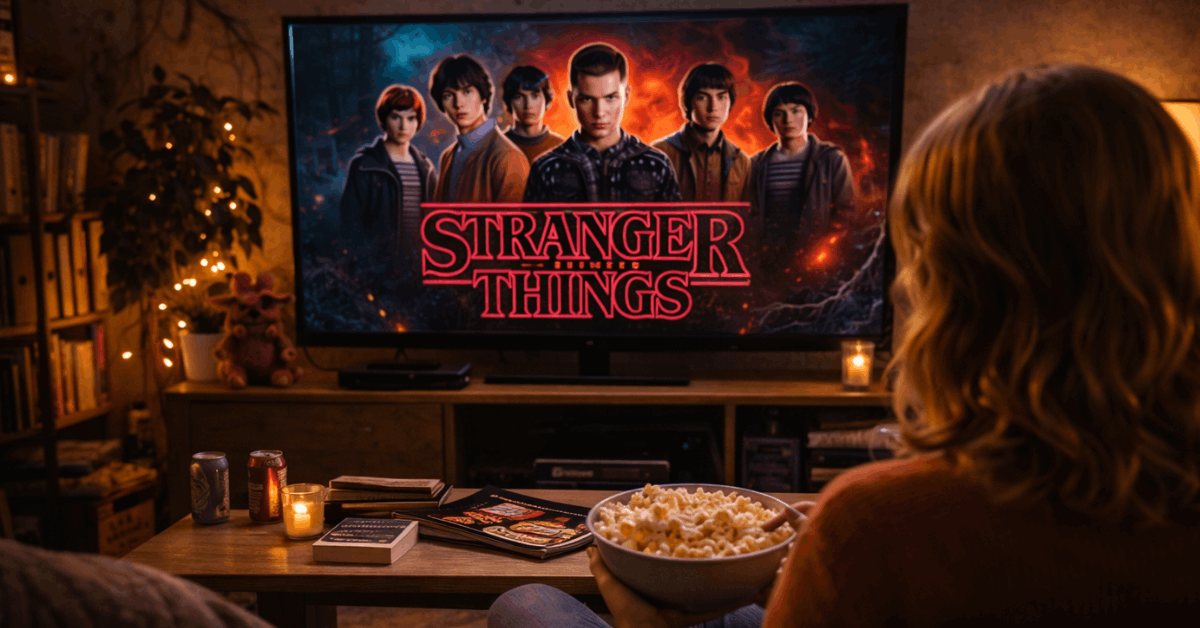
Season 4 Turns the Threat Inward
Season 4 expands across Hawkins, California, Russia, and the Upside Down, yet its main change is emotional.
Vecna attacks guilt, trauma, and memory, making each character face a wound rather than only run from a creature.
Vecna Connects the Present to the Past
The reveal around Henry Creel, One, and Vecna ties the newest danger to Eleven’s earliest trauma. The flashbacks explain more than a villain; they show how the laboratory shaped the present conflict.
This gives the series deeper continuity and a personal enemy for Eleven. Netflix’s Season 4 recap also traces how Vecna’s plan opens rifts across Hawkins.
Hawkins Cannot Reset Again
The final rifts leave the town visibly damaged, while Max’s condition makes the cost personal for the group.
Earlier seasons let characters close a gate and attempt a version of normal afterward. Season 4 removes the safety of secrecy and the possibility of reset, because the Upside Down has reached the surface.
The next conflict must face consequences everyone can see, even when they cannot explain them.
The Escalation Has a Clear Pattern
The series grows by changing what danger means, rather than simply raising the monster count. Its story progression and character pressure make each season a response to the last one.
Follow the Changes After Each Victory
The clearest way to track the story is to notice what remains damaged after the group succeeds. Every season leaves a new emotional or practical problem behind. Use this short rewatch lens and simple story map:
- Season 1: A disappearance becomes a hidden-world mystery.
- Season 2: The hidden world stays connected to Will.
- Seasons 3 and 4: The conflict becomes public, global, and impossible to reset.
Character Growth Makes the Mythology Matter
Eleven moves from weapon to person, then to someone who must use power without being controlled by it. Will remains tied to the Upside Down, while the group learns friendship changes as people grow older.
These arcs provide continuing meaning and emotional consistency to the expanding mythology. Without them, larger settings and stronger monsters would feel like spectacle without a reason to matter.
Conclusion: The Progression Makes the Stakes Earned
Stranger Things works because each season changes the consequences instead of restarting the same mystery.
Will’s disappearance, Eleven’s past, the Mind Flayer, and Vecna connect through Hawkins’ unresolved damage and the choices everyone makes under pressure.
Watching the seasons in order shows how innocence gives way to responsibility, grief, and a conflict that cannot stay hidden.
That structure makes the story easier to follow and explains why its later stakes feel personal, not merely larger.