Netflix slots you into what it calls taste clusters alongside thousands of strangers who share your viewing patterns. Their habits shape your feed as much as your own.
Most people assume the algorithm is reading their mind. What Netflix streaming recommendations run on is behavioral data: completions, scroll patterns, hover time, and the rhythm of how you move through the interface.
If your homepage feels repetitive, that’s the system working as designed. The algorithm optimizes for what it predicts you’ll click and finish, not necessarily what you’d love if you stumbled onto it.
Knowing how the system builds your queue gives you real leverage. A few deliberate moves can reshape what Netflix serves you, and most people never bother to make them.
What Netflix Logs Every Time You Open the App
Every session generates a data trail. And that trail is more detailed than most viewers ever realize.
The Signals You’re Sending Without Knowing It
The obvious stuff is finishing shows and using the thumbs system. But Netflix also tracks a range of behavior most people never consider:
- Hovering over a title without clicking through
- Letting a trailer autoplay all the way to the end
- Skipping episode intros consistently across a series
- Rewatching specific episodes instead of moving forward
- Which days of the week you typically open the app
Watching late on weeknights versus weekend afternoons? The system notices. Binge three episodes and then abandon a series? That tells the algorithm something specific about your interest ceiling for that genre, and it adjusts accordingly.
Background playing adds to your behavior log too. Leave something running while you’re doing dishes and it still registers as viewing activity. So the data Netflix uses isn’t always a clean reflection of what you genuinely enjoyed.
Why Watch Time Outweighs the Thumbs Rating System
I’d push back on the widely circulated advice to “rate everything to fix your Netflix recommendations.”
My take: the thumbs rating system is far less powerful than watch completion rate, which Netflix elevated as a core signal when it retired the 5-star rating model entirely.
If you give a show a Double Thumbs Up but watch four minutes and quit, the algorithm trusts the quit. The exit matters more than the opinion.
So stop spending time rating things casually. Finish what you like. Abandon what you don’t fast. The algorithm learns more from 20 minutes of deliberate watching behavior than from weeks of inconsistent rating input.
How Netflix Groups You With Strangers to Build Your Feed
This is the part most explainers skip entirely. Your Netflix feed isn’t purely built on your data alone.
Taste Clusters and the Strangers Shaping Your Queue
Netflix identifies viewers with similar patterns and places them into taste communities. These are groups of people who consistently finish the same types of content. If you binge thrillers and bail on romance, the system groups you with others who do the same.
Then it borrows a signal from the group. If thousands of people in your cluster watched a specific documentary after finishing a crime drama, Netflix pushes that documentary to you even if you’ve shown zero direct interest in it.
According to Netflix’s personalization research, collaborative filtering across viewer clusters is one of the core methods the platform uses to surface titles users wouldn’t have discovered independently.
That’s a powerful discovery engine when it works. But it also means your recommendations are partly a vote taken from people you’ve never met.
Also read: The Inception Plot Explained for People Who Got Lost in the Dream Layers
Why Two People With Similar Histories Still See Different Homepages
Platform matters more than most users suspect. Mobile viewers get slightly different content prioritization than desktop users. Someone who watches primarily on weekends may see different row orders than someone with daily short sessions.
Kids’ profiles get filtered rows entirely. And within adult accounts, the time of day you typically open Netflix nudges what leads your homepage. The algorithm layers all of these signals simultaneously.
Think of it less as a single recommendation engine and more as several overlapping models running at once.
The Thumbnail Experiment You’re Already Participating In
Every title card on your Netflix screen has been tested. The version you see is the one that got the most clicks from viewers in your cluster.
Why the Same Show Looks Different on Your Screen
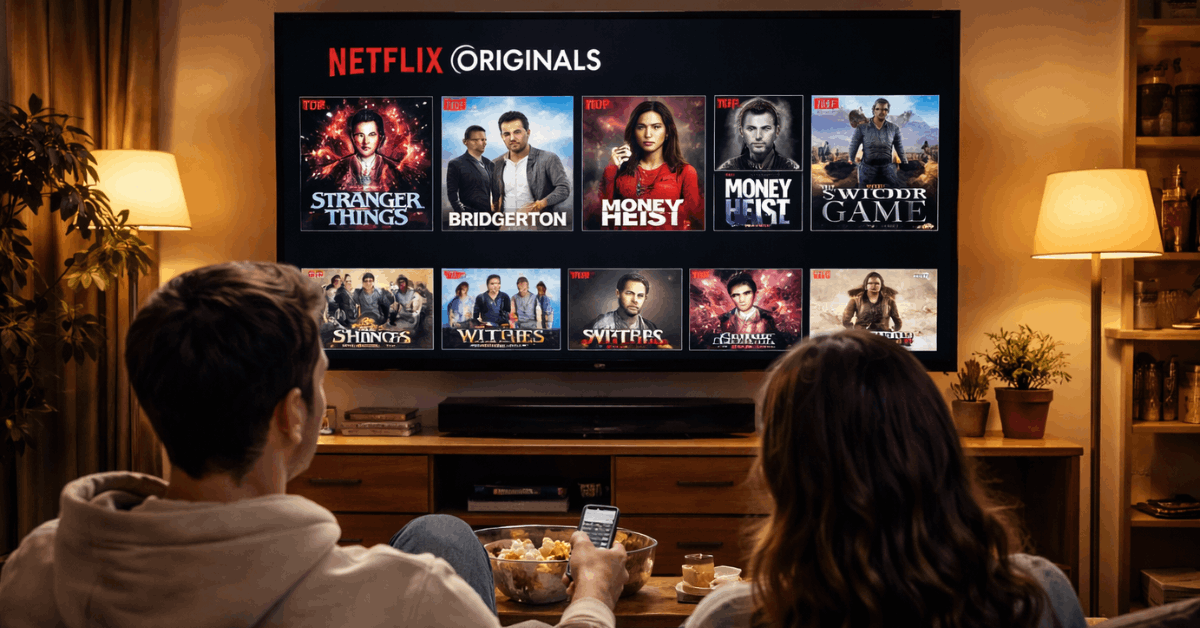
Netflix runs A/B testing on thumbnail art at massive scale. The same title can appear with a smiling couple, a moody dramatic close-up, or a high-tension action scene depending on who’s viewing it.
A viewer with a history of romance titles sees one version. A crime drama viewer sees another.
This is a separate personalization layer from the recommendation engine itself. The algorithm decides what to show you. A different system decides how that show looks when it arrives on your screen.
I find this the most underappreciated piece of Netflix’s entire personalization setup: the company runs two distinct systems simultaneously, one deciding what you see and another designing the visual pitch for it. Both are calibrated to your history.
What This Means for Shows You Keep Scrolling Past
A title you’ve dismissed ten times might reappear with an entirely different thumbnail. Netflix rotates artwork for underperforming placements continuously. Something you ignored six months ago could present itself as an entirely different show today.
Check the release year when a thumbnail grabs you unexpectedly. There’s a real chance you’ve already scrolled past that exact title before. Just packaged differently.
Where the Algorithm Gets It Wrong
The system has real limitations. Knowing them is how you work around them.
The Filter Bubble That Quietly Narrows Your Library
Because Netflix optimizes for predicted completion, it gradually stops surfacing genres outside your established patterns. This is the filter bubble problem, a documented limitation of recommendation-driven platforms.
Netflix counters this with “Trending Now” and “Top 10 in Your Country” rows, which pull in titles regardless of personal history.
But your behavioral data still carries the strongest weight. Left unchecked, the algorithm slowly shrinks your visible slice of the catalog.
Searching titles outside your usual genres is the most reliable way to break the cycle. The search bar bypasses the recommendation engine entirely. Use it.
Netflix Originals Get Priority Placement Whether You Asked for Them or Not
Users have flagged this pattern for years. Netflix allocates significant homepage space to its own productions even when your watch history doesn’t point toward them. The platform justifies this with engagement data: originals tend to drive strong watch-time numbers.
But the practical effect on your homepage is real. Some of those rows function as promotional real estate, not pure algorithmic output. Knowing this helps you separate genuine personalized suggestions from curated promotions when deciding what to watch.
How to Deliberately Reshape Your Netflix Recommendations
The algorithm adapts continuously. Push it in the direction you want.
Signal Strength: What Moves the Needle Most
| User Behavior | Signal Strength | Why It Works |
|---|---|---|
| Watch completion | Very High | Confirms genuine interest in that content type |
| Early abandonment | Very High | Flags genre mismatch quickly and specifically |
| Rewatch | High | Strongest positive signal available to the system |
| Double Thumbs Up | Medium | Useful but secondary to behavioral data |
| Hover or trailer autoplay | Low | Registers only passive interest |
Completion and abandonment patterns consistently outweigh explicit ratings. The algorithm trusts behavior over buttons.
Managing Your Profiles to Keep Recommendations Clean
Create separate profiles for meaningfully different viewing contexts. Documentary nights, thriller binges, and comfort rewatches each benefit from their own profile if you engage in all three.
Mixing everything into one feed gives the algorithm conflicting signals and dilutes each row’s accuracy.
If your main profile has accumulated years of noise from background watching or shared use, clear the viewing history from account settings. Netflix relearns from scratch. Expect two to three weeks of broad, less-specific suggestions before the feed sharpens again.
How to Use the Rating System to Maximum Effect
The thumbs tools still carry weight when used with intention, not as a reflex:
- Use Double Thumbs Up only for content you’d genuinely rewatch or recommend. It sends the strongest explicit signal the system accepts.
- Use Thumbs Down quickly on anything that misses the mark. Speed matters. Don’t wait until after you’ve hovered and let a trailer autoplay.
- Rate within consistent genres. Scattered ratings across dozens of content types give the algorithm less usable data than focused feedback in two or three specific areas.
- Skip rating content you barely watched. A rating attached to a two-minute session sends a confused signal more than a useful one.
The Netflix Help Center outlines how these tools communicate your preferences to the platform. Worth a quick scan if you’re actively trying to recalibrate a cluttered, unfocused feed.
Questions People Ask About Netflix Streaming Recommendations
Q: Does finishing a show I disliked help or hurt my recommendations? Completing a show still registers as positive engagement even if you didn’t enjoy it. Pair the completion with a Thumbs Down to clarify the signal. The combination gives the algorithm more accurate data than either action alone.
Q: Can I stop Netflix from showing me originals I haven’t asked for? Not completely. Netflix controls row placement and will always give its own productions significant screen space. Consistent Thumbs Down on originals that don’t match your taste reduces their recurrence, but won’t eliminate them from your feed entirely.
Q: Does the time of day I watch actually change my recommendations? Yes. Netflix factors in typical viewing times when ordering your home screen. If you consistently open the app late on weeknights and watch slow dramas, the platform nudges that content type to the front of your queue during those sessions.
Q: Is the Netflix Prize competition from 2006 still relevant to how the algorithm works today? That competition influenced how modern personalization developed, but Netflix no longer uses the winning model. The current system moved away from explicit rating prediction entirely and toward behavioral signals like completion rate and real-time interaction patterns.
Q: Why does the same title sometimes appear in multiple rows on my homepage at once? Netflix tests whether different row contexts change your click behavior on the same title. A documentary might appear under “Because You Watched X” and also under “Top 10 in Your Country” simultaneously. Multiple placement experiments run at the same time on every homepage.
Conclusion
Netflix’s recommendation engine runs on behavioral data, group patterns, and a continuous cycle of real-time testing and adjustment. Knowing your feed reflects strangers’ habits as much as yours changes how you should interact with the platform.
The single highest-leverage move is finishing what you like fast and abandoning what you don’t even faster. Viewers who treat the algorithm as a tool rather than a given consistently end up with a sharper, more useful feed.