Streaming services no longer offer static libraries. Viewers now notice constant updates, removals, and new additions across platforms.
The phrase How Streaming Libraries Change Over Time reflects this ongoing shift in digital content strategy.
This article explains how and why platforms rotate content and how you can better anticipate availability changes.
How Netflix Shifts Its Catalog Monthly?
Netflix rotates its library aggressively to match audience demand and licensing cycles. These shifts impact both third-party titles and Netflix Originals.
Licensing Timelines for Third-Party Shows and Movies
Most non-original content on Netflix runs on fixed licensing agreements. These often last between 12 to 24 months, depending on region and distributor.
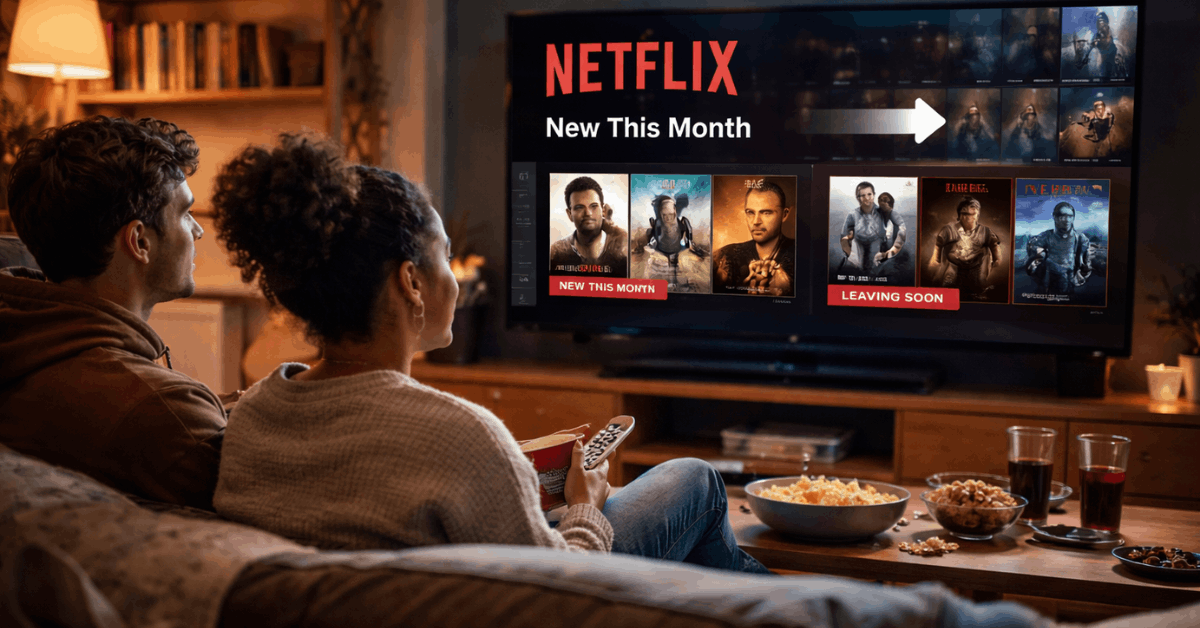
Once these agreements expire, titles are removed unless negotiations are extended.
Viewers are often surprised by removals due to a lack of official warning. High-profile removals like “Friends” were driven by studios reclaiming rights.
Netflix Originals and Global Stability
Netflix Originals are generally more stable and long-lasting. However, regional restrictions may still apply.
Some “Originals” are produced in licensing deals that expire in select countries. Canceled Originals like “The OA” and “Hemlock Grove” have even been removed. Netflix uses performance data and regional demand to restructure its catalog.
Disney+ and the Vault-Based Rotation Model
Disney+ maintains a tightly controlled library centered on its branded franchises. Its rotation strategy balances legacy appeal with market-driven scheduling.
Disney Vault Releases and Strategic Visibility
Classic Disney titles are rotated based on a vault strategy. This means that some films are temporarily removed and later re-released to generate renewed interest.
Disney has done this with animated titles and seasonal films. The goal is to maintain brand freshness while keeping content available for new generations. This approach supports the company’s long-term IP value.
Franchise Content and Global Rollouts
Marvel and Star Wars follow carefully staggered release windows. Region-specific delays affect availability. Some Originals are removed due to underperformance or brand re-alignment.
Content may return later in updated or remastered formats. Disney’s decisions often reflect strategic alignment more than licensing pressures.
How Prime Video Handles Free vs Paid Titles?
Amazon Prime Video manages a hybrid streaming model. It rotates both subscription-included and rental-only content.
Monthly Additions and Expiring Free Access
Free-to-watch content under Prime rotates regularly. Titles can reappear later under different pricing models.
Many users are unaware that some films disappear after short-term availability. Regional differences further complicate catalog access. “Included with Prime” titles are often limited-time deals.
Originals, Co-Productions, and Limited Runs
Prime Video invests heavily in international co-productions. Originals like “The Boys” remain permanent, while some regional titles disappear after one season.
Co-produced series may depend on shared streaming rights. Limited-run content is used to test performance in specific countries. This system lets Amazon maintain regional flexibility.
Why Streaming Titles Disappear Unexpectedly?
Catalog changes often reflect business decisions, not technical problems. Some removals are tied to internal cost strategies.
Expiring Contracts and Studio Reclaims
Popular content is often pulled back by studios creating their own services. “The Office” left Netflix for Peacock, and HBO reclaimed content from Prime.
Disney avoids these issues because of content ownership. Platforms that rely on licensing face more volatility. This pattern will increase as studios expand direct-to-consumer services.
Low Viewership and Internal Cuts
Low-performing shows are often removed quietly. Disney eliminated over 50 Originals in 2023 to cut content liabilities.
Netflix uses viewer data to decide what gets renewed. If a series underperforms, it may disappear even without formal cancellation. These cuts reduce long-term platform costs.
Regional Differences in Streaming Catalogs
Streaming availability differs greatly between regions. Contracts, law, and market demand shape these variations.
Geo-Blocking and Regional Licenses
Licensing prevents global access to many titles. A show available in the US might be blocked in Canada or the UK. Netflix customizes its library using geo-licensing agreements. These restrictions apply to both movies and series. Platforms often have to wait until contracts expire in other regions.
Local Originals and International Catalogs
Netflix produces Originals tailored to local markets like India, Korea, and Brazil. Disney+ uses Star and Hotstar to localize its offerings.
Prime Video invests in Latin American and Southeast Asian markets. These titles follow unique licensing models and may not show up globally. Localization helps platforms attract diverse audiences.
How to Stay Informed About Library Changes?
Tracking removals and upcoming additions lets you plan ahead. Several free tools help users monitor library changes.
External Tools That Track Updates and Removals
Websites like JustWatch, What’s on Netflix, and Reelgood track what’s coming and going. They offer custom alerts by platform and region. Some let users filter by content type, such as anime, drama, or Originals.
These tools help you organize your watchlist and avoid surprises. Notifications can be synced with calendar reminders.
Platform Tabs and Watchlist Tricks
Built-in tabs such as “Coming Soon” on Netflix or “New on Prime” are helpful. Watchlist features often push automated notifications.
Disney+ highlights new releases within brand categories like Marvel or NatGeo. Always add titles to your list early to ensure alerts. These small steps help you stay ahead of content rotations.
Case Studies of Major Streaming Shifts
Some content changes become case studies in platform strategy. These cases show how major shifts impact viewers.
Marvel’s Transition from Netflix to Disney+
Marvel’s Netflix series like “Daredevil” were pulled and rebranded under Disney+. Licensing deals expired, and Disney moved the content to its own ecosystem. This shift supported franchise unification.
It also showed how content can reappear under a new platform with minimal notice. Global availability rolled out gradually after the shift.
HBO Content on Prime and Its Sudden Pullback
Prime users lost access to HBO content after a contract ended. Shows like “Westworld” and “Succession” moved to Max.
This disrupted viewer habits and created platform overlap. Amazon was forced to rebuild its premium offering without HBO. It highlighted the fragile nature of third-party partnerships.
Newly Emerging Trends in Library Rotation
The landscape is shifting again in 2026. Platforms are trying new tactics to retain users and manage costs.
AVOD and FAST Streaming Models
Netflix and Prime Video are testing ad-supported tiers. These plans offer limited content libraries compared to full subscriptions.
Viewers on these plans may see faster content rotation. This tiering helps platforms serve budget users. It may also shift how Originals are distributed.
Shorter Windows for New Releases
Platforms are shrinking the time between release and rotation. Movies may only remain available for 30 to 60 days before removal.
This trend encourages binge-watching and short-term subscriptions. It also reflects studios’ need to monetize content quickly. The strategy risks viewer fatigue.
What Viewers Should Do Next?
Smart planning can help you avoid missing key shows. Use tools and strategy to manage your time.
Plan Your Watchlist Around Rotation Trends
Monitor new releases and end-of-month removals. Focus on titles with “Leaving Soon” labels. Don’t wait to start limited-run content.
Add reminders to finish series before removal. Use third-party trackers regularly. This will help you make better decisions.
Pick the Platform That Matches Your Viewing Habits
Netflix is great for discovery and content churn. Disney+ offers predictable franchise access. Prime Video combines subscription and rental flexibility.
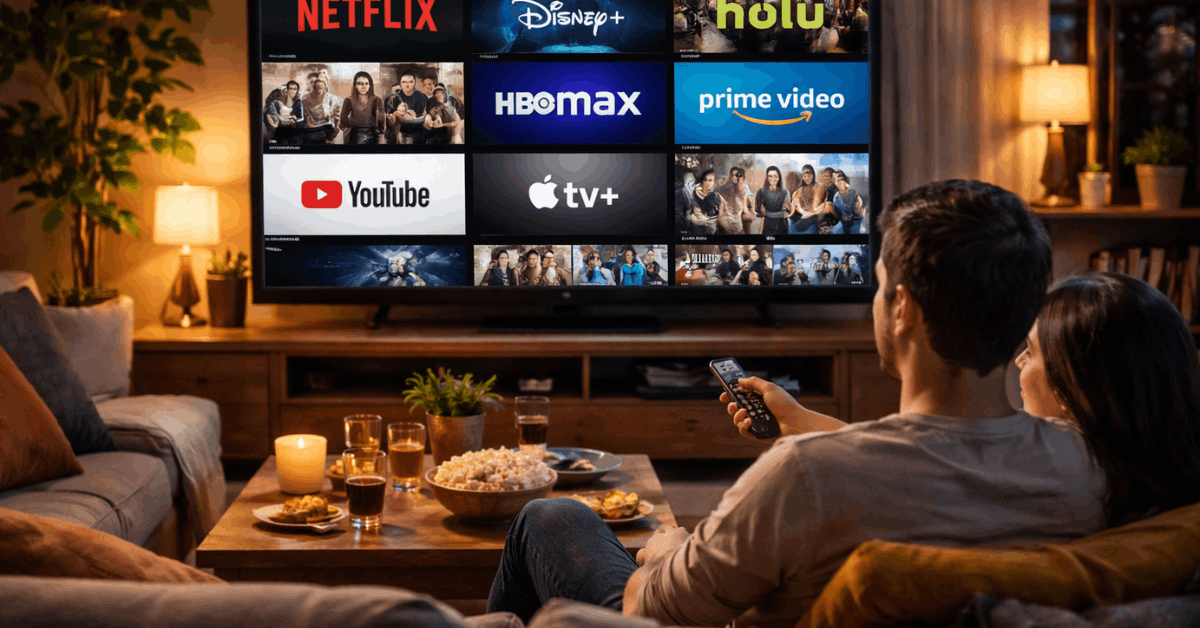
Choose the one that aligns with your watching rhythm. Switch services when catalogs shift.
Stay Ahead of the Stream
The question of How Streaming Libraries Change Over Time impacts every subscriber. Streaming is now shaped by licensing battles, regional rules, and fast release cycles.
Understanding these changes lets you avoid frustration and enjoy more value from each platform. Stay aware, stay updated, and take control of your streaming time.