You added a show to your watchlist last month. You finally sit down to watch it. Gone. No warning. No explanation. Just a “title not available” message where the play button used to be.
This happens constantly across Netflix, Prime Video, and Disney+, and most streaming guides treat it like a minor inconvenience rather than a structural feature of how these platforms actually operate.
It is a business strategy, and once you understand the mechanics, you can work around it almost completely.
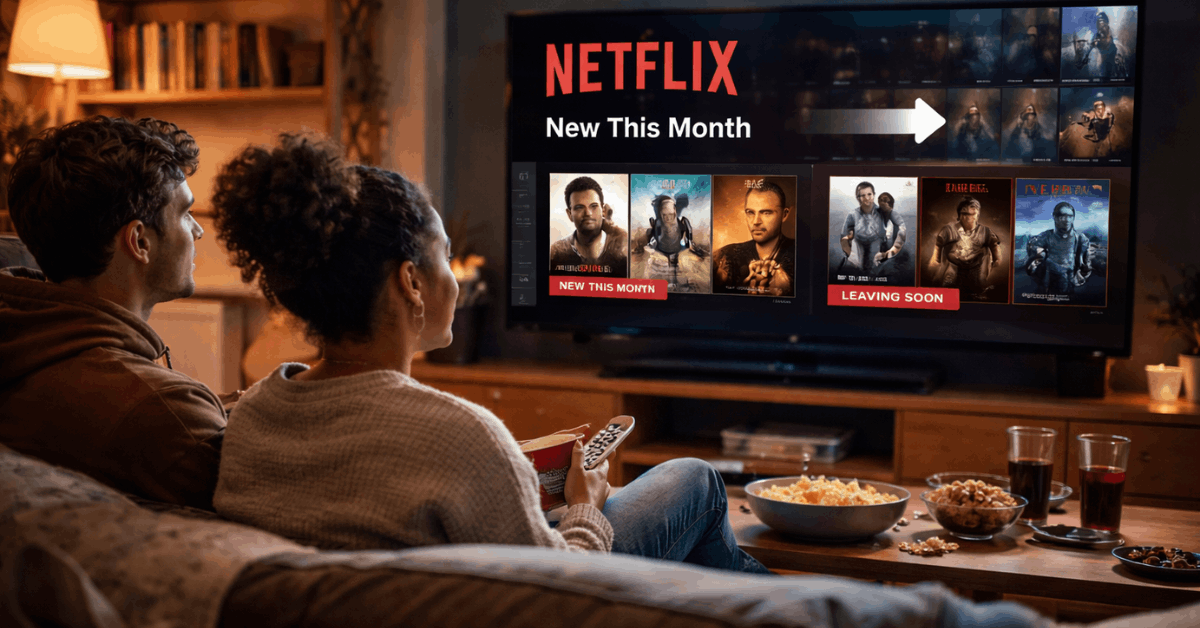
Streaming Libraries Are Not Libraries. They Are Rotating Licenses.
The mental model most people carry is wrong from the start. A streaming subscription feels like buying access to a permanent catalog. It is closer to renting shelf space that the landlord can reclassify at any time.
Most non-original content on Netflix runs on fixed licensing agreements lasting 12 to 24 months, depending on region and distributor.
When those agreements expire, titles disappear unless both parties renegotiate. Viewers rarely get an official warning. The title just stops appearing.
The Friends removal is the clearest case study in recent memory. WarnerMedia reclaimed the rights to bring the show to its own platform.
Netflix lost one of its most-watched titles not because of a performance issue but because the studio realized they owned something more valuable than the licensing fee Netflix was paying.
That pattern is now the default, not the exception.
Why Studios Keep Pulling Content Back
The Office leaving Netflix for Peacock and HBO reclaiming Succession and Westworld from Prime Video are not isolated incidents.
They are the predictable result of every major studio launching a direct-to-consumer service and realizing their best content was subsidizing a competitor.
Studios that own valuable IP now face a clear calculation: license it to a platform for a fixed fee, or anchor your own platform’s subscriber growth with it.
As streaming competition intensified between 2019 and 2024, that calculation kept shifting toward reclaiming ownership.
Platforms that rely heavily on licensed content, most of which are outside Disney, carry permanent structural volatility because of this. Every renewal cycle is a potential removal.
Low Viewership Removals Are a Separate Problem Entirely
Licensing expiration explains popular content disappearing. A quieter category of removal is less discussed: platforms deleting their own content to cut costs.
Disney eliminated over 50 Originals in 2023 to reduce content liabilities on their balance sheet. These were not licensing disputes.
These were titles Disney owned outright, removed because carrying them created ongoing costs without generating enough engagement to justify those costs.
Netflix uses viewer performance data to make similar decisions. A canceled Original that underperforms can disappear entirely, with no third-party licensing dispute involved. The OA and Hemlock Grove are both gone from Netflix despite being Netflix Originals.
Cancellation and removal are now two separate events that can happen on different timelines.
How Each Platform’s Rotation Strategy Actually Works
These three platforms rotate content for completely different structural reasons. Treating them the same leads to the wrong watchlist strategy.
| Platform | Primary Rotation Driver | Stability of Originals | Regional Variation |
|---|---|---|---|
| Netflix | Licensing cycles + performance data | Medium (cancelations remove content) | High |
| Disney+ | Vault strategy + franchise scheduling | High for franchise IP | Medium |
| Prime Video | Hybrid free/rental model | High for top Originals | High |
Disney+ offers the most predictable catalog if you watch franchise content. Netflix churns fastest. Prime requires the most active management because free access and rental status can swap without notice.
Also read: The Streaming Features Quietly Controlling How You Watch TV
Netflix Moves the Fastest and Signals the Least
Netflix rotates its catalog more aggressively than any other major platform. Regional licensing agreements mean a title available in the US may be blocked in Canada or the UK simultaneously.
Netflix customizes libraries using geo-licensing deals that vary by country, which is why JustWatch has become essential for viewers who want to track actual availability by region rather than assuming a global catalog exists.
The platform’s performance data system means even successful shows can be reshaped by internal metrics. A series that draws strong initial numbers but loses momentum may be quietly restructured or removed without formal announcement.
Disney+ Uses Scarcity as a Feature
Disney’s vault strategy is worth understanding as a deliberate tactic rather than a quirk. Classic animated titles are periodically removed and re-released to generate renewed interest. Seasonal content appears and disappears on schedule. Some titles return in remastered formats.
I think most viewers read this as frustrating unpredictability, but I would frame it differently: Disney is the only platform that uses content removal as a marketing tool. The vault creates demand.
The re-release generates press coverage. For a company managing decades of IP across generations of viewers, scarcity is a brand strategy, not a distribution problem.
Marvel and Star Wars follow carefully staggered release windows with region-specific delays that reflect franchise management more than licensing pressure.
Disney owns the content. The decisions are strategic, which makes them more predictable once you understand the franchise calendar.
Prime Video’s Free-to-Watch Label Is the Most Misleading in Streaming
Amazon operates a hybrid model that confuses more subscribers than any other platform feature. “Included with Prime” is a temporary designation, not a permanent status. Titles can appear free for 90 days, then shift to rental-only with no visible notification on the homepage.
Regional differences compound this. A film included with Prime in the US may be rental-only in Australia for the same month.
Prime Originals like The Boys remain stable, but regional co-productions and licensed films rotate with much less predictability than Amazon’s marketing suggests.
Honestly, I think the Prime Video interface actively profits from this confusion.
The $8.99 standalone plan at this price point already competes with Netflix’s lower tiers, but the rental revenue generated when subscribers accidentally pay for content they expected to be free adds up across millions of accounts.
The Trends Making This Worse in 2026
The rotation problem is accelerating, and two specific shifts are driving it.
Release Windows Are Shrinking Fast
Platforms are compressing the time between a title’s release and its removal or rotation. Films that once remained available for six months or longer are now cycling out in 30 to 60 days in some cases.
This trend reflects studios needing to monetize content quickly across multiple windows rather than leaving it in one place long-term.
The practical effect on viewers is higher urgency and less flexibility. The “I’ll watch that next weekend” habit is increasingly incompatible with how short-window content is scheduled.
Ad-Supported Tiers Get Smaller Catalogs
Netflix and Prime Video’s ad-supported plans are not just cheaper versions of the full service. They carry reduced content libraries compared to full subscription tiers.
Viewers on these plans may experience faster rotation and fewer titles in the first place, which means the savings come with a less visible cost: less access to the catalog you think you are paying for.
This tiering model will expand. Expect ad-supported plans to carry increasingly differentiated catalogs from premium tiers as platforms try to convert budget subscribers upward.
How to Actually Track What Is Leaving Before It Leaves
The platforms themselves provide minimal warning. The tools that fill that gap are external.
JustWatch aggregates streaming availability across platforms in real time, with region-specific tracking and custom alerts by content type. It also surfaces “Leaving Soon” labels well before the platform’s own interface does.
Setting up watchlist alerts through JustWatch takes about ten minutes and eliminates the majority of surprise removals.
A few habits that close the remaining gap:
- Add titles immediately when you see them. Watchlist additions trigger platform-side notifications that browsing does not.
- Check “Leaving Soon” tabs monthly, particularly at the end of the month when most licensing cycles turn over.
- Prioritize limited-run content first. Original series with one season and no renewal announcement are higher removal risks than ongoing franchises.
- Watch regional originals early. International co-productions on Prime and Netflix follow unique licensing models and disappear with less notice than flagship Originals.
Questions People Ask About Streaming Library Changes
Q: Why do platforms remove shows they own outright? Owning content does not eliminate the cost of hosting and maintaining it. Platforms carry content liabilities on their balance sheets, and low-performing titles can be removed to reduce those costs even when no licensing dispute exists. Disney’s 2023 removal of 50+ Originals was explicitly a financial restructuring decision.
Q: Does a VPN help with regional content restrictions? Temporarily, sometimes. Platforms actively detect and block known VPN addresses, and licensing agreements explicitly prohibit circumventing geo-restrictions. The workaround is increasingly unreliable and violates most platform terms of service. Regional restrictions exist because the rights are genuinely split between distribution partners in different countries.
Q: How much notice do platforms give before removing content? Netflix typically surfaces a “Leaving Soon” label about 30 days before removal, but only for some titles. Disney+ and Prime Video provide even less consistent notification. Third-party tools like JustWatch provide more reliable advance warning than the platforms themselves.
Q: Are Netflix Originals permanently available? No. Canceled Originals can be removed entirely, as happened with The OA and Hemlock Grove. Some Originals also carry regional licensing deals that expire in specific countries even when the show remains available elsewhere. “Original” describes production funding, not permanent availability.
Q: Should I cancel and resubscribe to platforms to catch content cycles? For seasonal or franchise content on Disney+, this approach works. A two or three month subscription around a major Marvel or Star Wars release window covers most of what a casual franchise viewer needs. For Netflix, the catalog turnover is too continuous for gap subscriptions to work reliably.
Conclusion
Streaming libraries were never static, but the gap between what platforms imply and what they actually guarantee keeps widening.
The viewers who stay ahead of content rotation treat their watchlist like a perishable grocery list, not a permanent archive. Add titles early, check removal dates monthly, and use JustWatch to catch what the platforms will not tell you themselves.
The content is not disappearing because of anything you did. It is disappearing because every licensing agreement has an expiration date that was set before you ever clicked play.