Ever wondered why certain shows pop up front and center on your favorite streaming app? Or how some series land in oddly specific categories like “Bittersweet Sci-Fi” or “Feel-Good Crime Dramas”?
If you’ve spent even a little time browsing, you’ve probably noticed that streaming platforms categorize shows in ways that seem both logical and sometimes baffling. This article unpacks the strategies—and a bit of the software tools—behind those digital shelves.
Whether you’re a TV series completionist, a film buff, or just tired of endlessly scrolling, understanding this process could save you time and maybe even make your next binge more satisfying.
This guide is for movie and series fans, curious viewers, and anyone interested in how technology shapes our content experience. I’ll walk through how these categories work, why they often look different from platform to platform, and the surprising factors you might not expect.
The goal? Help you decode what’s happening behind the screen, so you find shows you’ll love faster and maybe avoid missing some hidden gems.
Why Streaming Platforms Categorize Shows So Precisely
If you’ve ever gone looking for a specific movie or genre only to find it under an unexpected heading, you’re not alone. The primary reason platforms invest in detailed categorization is to help users quickly discover content that matches their tastes and moods.
But there’s more at play—platforms like Netflix, Prime Video, or Disney+ also optimize categories to boost engagement, extend your watch time, and, if we’re honest, compete for your attention against other platforms.
Personalized Experience Drives Retention
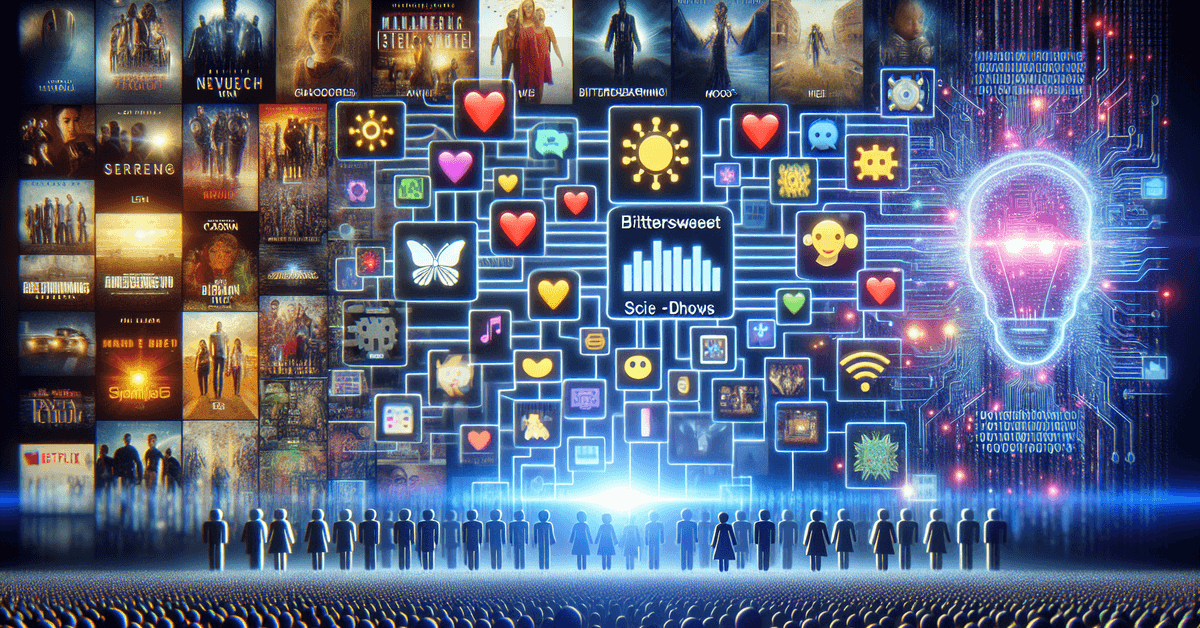
With vast libraries at their disposal, streaming services know that a generic layout would overwhelm most viewers. Personalized categories (“Because you watched…”) keep things relevant. This helps with user retention, a core business metric for platforms that thrive on monthly subscriptions.
Supporting Discoverability and Niche Interests
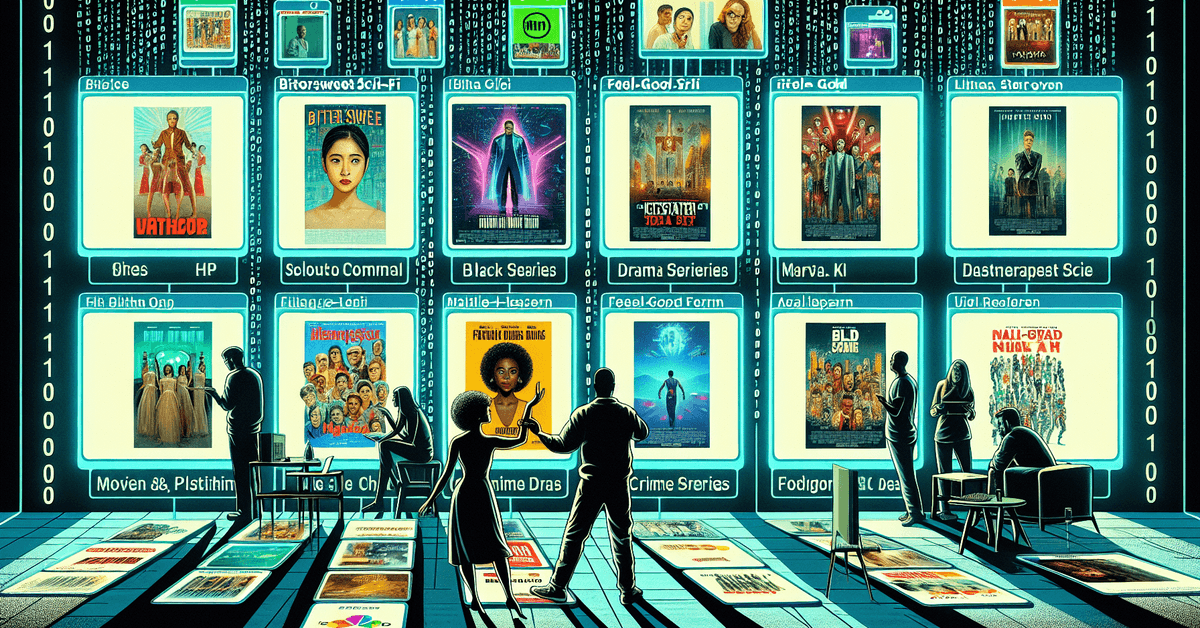
Even lesser-known genres need a spotlight, and sub-categories like “90s Coming-of-Age” or “Mind-Bending Thrillers” increase the odds that obscure titles get seen. This structure makes it easier to surface hidden treasures to fans who might otherwise give up.
Data Collection and Advertising Strategies
Don’t forget: the way you interact with categories is tracked and analyzed. This data influences recommendation algorithms and, in ad-supported tiers, helps platforms deliver more relevant ads. Knowing what categories you explore informs which promos or banners you’ll see—and sometimes, which new series get produced.
How Are Shows Categorized? Methods and Technologies
Let’s get closer to the gears behind the screen. The process looks simple from the outside, but under the hood, it’s a mix of old-school curation and high-tech algorithms.
Traditional Metadata Tagging
It typically starts with humans. Content teams watch shows and tag them with descriptive labels—genres, topics, mood, language, even setting.
This metadata is what makes categories like “International Espionage” possible, and why you sometimes see a show listed under both “Comedy” and “Romance.” However, human curation can’t keep pace with thousands of titles, which brings us to…
Machine Learning and Automated Categorization
Most modern streaming giants use sophisticated machine learning software to automate and refine these tags. AI can analyze scripts, subtitles, cast lists, and viewing patterns to assign complex category labels.
For example, Netflix’s “Netflix Codes” system relies on hundreds of micro-genres that only make sense once you realize they combine multiple attributes, not just the obvious ones.
User Behavior and Feedback Loops
Every click, pause, or skipped intro feeds back into the algorithm. Did you binge three seasons of a detective show last week? Suddenly, “Gritty Mystery Series” will rise to the top of your homepage—even if you never searched for that phrase.
Key Factors in Streaming Categorization: Beyond Genre
It’s not just drama vs. comedy anymore. Platforms consider a broader range of factors—including some you might not expect.
- Mood/Emotion: “Heartwarming,” “Suspenseful,” or “Feel-Good.”
- Thematic Segments: e.g., “Women Lead Stories,” “LGBTQ+ Experiences.”
- Story Structure: Series with twists, coming-of-age journeys, or nonlinear storytelling.
- Demographics: Kids, teens, adults—even “family night” categories.
- Cultural Trends: Themed for holidays, current events, or even social movements.
It’s a composite approach that goes way beyond the traditional video store shelf. I noticed that after watching a couple of 80s action flicks, suddenly “Nostalgic Classics” was filled with stuff I barely remembered existed.
Popular Streaming Platforms and Their Categorization Styles
| Platform | Notable Features |
|---|---|
| Netflix | Micro-genres, custom recommendations, regional categories |
| Amazon Prime Video | User-generated tags, seasonal collections, integration with IMDb |
| Disney+ | Franchise-based sections (Marvel, Star Wars), family-friendly filters |
| HBO Max | Curated collections, mood playlists, staff picks |
| Hulu | Current TV-based sorting, exclusive “Hulu Originals” rows |
It’s worth noting that many platforms keep their underlying software and strategy a closely guarded secret. But features and browsing experience often signal the kind of categorization logic they favor.
Internal Link Suggestion
If you’re interested in diving deeper, see our Guide to Netflix Secret Category Codes or check out our article on How to Stream the Marvel Universe in Chronological Order .
The Role of AI in Shaping Your Streaming Journey
The latest trend is more than just grouping by category. Artificial intelligence doesn’t just tell you there are crime series available—it tries to guess whether you want “dark, morally ambiguous thrillers” or “quirky British detective shows”.
AI now parses everything from scene descriptions to soundtrack type, then matches those with millions of subtle user preferences, sometimes with uncanny accuracy…but not always. I admit, I’m still a bit confused when a kids’ animation pops up in my recommendations after a crime documentary binge.
Best Practices for Discovering Hidden Gems
If you ever feel stuck in the ‘recommended’ carousel, here are tips for exploring beyond the AI-generated mainstream:
- Use search terms beyond genre, like “underrated” or “short series.”
- Look for curated lists by platform editors or guest curators.
- Visit official blogs (e.g., Netflix Newsroom) for announcements.
- Check micro-genre codes on Netflix, which unlock hidden categories.
- Trust community forums, review sites, and content guides outside of apps.
Sometimes, the real discoveries happen when you take a chance. The algorithm isn’t perfect; I often get recommendations that don’t quite fit. On the upside, those mismatches introduced me to new favorites, almost by mistake.
Monetization: How Categories Impact Ads and Content Promotion
For platforms with ads, like Hulu or Freevee, categories also shape which ads you see. Watching a lot of cooking shows? Expect more kitchenware promos.
This data-driven targeting improves ad performance—which, in turn, funds more content. In some cases, platforms even promote new releases by surfacing them in trending or relevant categories (“Featured for You”), which can be especially lucrative for their original series.
Challenges and Imperfections in Categorizing Shows
Despite all the tech wizardry, categorization isn’t flawless. There are blurry lines between genres, cultural biases in tags, and sometimes bizarre mismatches (like anime listed with rom-coms).
Human error, algorithmic guesswork, and evolving audience tastes mean no system gets it right 100% of the time. You might see a few odd pairings—and for some, that’s part of the charm. For others, it’s just a minor annoyance that comes with so much choice.
Visual Elements for Navigating Streaming Categories
Consider adding:
- Screenshots of unusual or ultra-specific categories as they appear in-app.
- Infographics illustrating AI category connections.
- A chart showing common overlapping genres (e.g., comedy + mystery).
Conclusion: Take Control of Your Streaming Discovery
Categorization is the invisible hand shaping our viewing experience, for better or worse.
Understanding how streaming platforms organize shows helps you hack the browsing process, tune recommendations, and uncover new favorites with less wasted time.
Don’t rely solely on algorithmic picks—explore, experiment, and let a few quirky categories guide your next movie night.
Ready to dive deeper? Browse our blog for more streaming guides, or check out our latest tips on maximizing your watchlist. Discover curated episode guides here and make your next streaming session smarter. Happy watching!