Psychological thrillers can feel confusing because they place viewers inside unstable minds. Black Swan, The Machinist, and Jacob’s Ladder mix hallucinations, memory gaps, and unsettling images, yet none requires you to solve every scene like a riddle.
This guide follows the emotional pressure beneath each film and suggests a viewing order. Watch what each character cannot face, and the strange moments begin to form a clearer shape. They reward patient attention, not specialist knowledge.

Begin With the Wound, Not the Twist
These films withhold ordinary signals about time, place, and reality because their protagonists cannot trust them either.
Rather than asking first whether an image is literal, ask what the character fears, avoids, or needs to control.
That gives surreal material a purpose. Hallucinations, doubles, and fractured scenes become expressions of denial and inner pressure, not random decoration. The question keeps you close to character rather than mechanics.
Confusion Is Part of the Point, but It Is Not the Whole Point
A first watch can feel disorienting when scenes change abruptly or a clue makes sense only later. That is deliberate: the audience is placed near a person whose perception is failing. Still, these stories have direction.
Nina becomes less certain of herself, Trevor nears a buried memory, and Jacob struggles against loss. Follow that emotional movement and character fear before chasing technical answers. A first viewing does not require complete certainty.
Black Swan Turns Perfection Into a Threat
Nina Sayers has built her identity around discipline, approval, and flawless control. Being cast as the White Swan and the Black Swan forces her to express qualities she has kept contained.
Her mother’s suffocating care, the company’s demands, and fear of replacement make the role dangerous. The horror grows from perfectionism and lost independence, not one sudden break. Every demand narrows her sense of life outside ballet.
Lily and the Mirrors Expose Nina’s Split Self
Lily is more than a rival dancer. She represents ease, appetite, sexuality, and risk—the parts of life Nina has been trained to distrust.
Nina sees Lily as a threat even as reality begins to blur. Mirrors, shifting faces, and bodily horror make the conflict visible. They point to repressed desire and fractured identity, showing how self-control becomes a prison.
The Machinist Gives Guilt a Body and a Voice
Trevor Reznik’s extreme insomnia appears in his weak body, empty apartment, anxious routines, and inability to trust kindness.
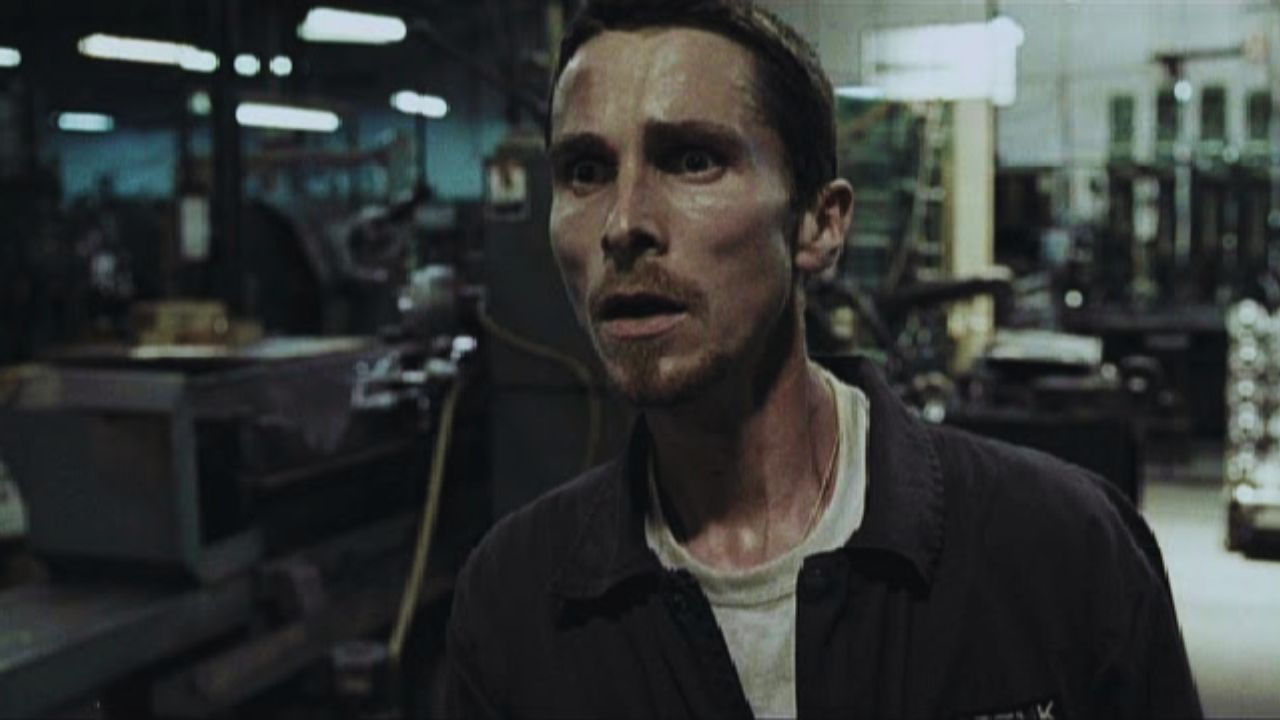
The mystery begins with a man who believes strangers are watching, manipulating, and blaming him. But its tension comes from what he has done to himself.
His sleeplessness reflects buried guilt and deep isolation, before the plot explains why his memories no longer hold together. Survival has become a punishing ritual.
Ivan Is the Truth Trevor Keeps Pushing Away
Ivan seems like an outside threat, yet he is the face of responsibility Trevor cannot admit. He appears whenever Trevor nears the buried memory, giving denial a shape that can provoke and mislead him.
Once Trevor accepts what happened, Ivan no longer has a role. The mystery is not about catching a villain; it is about self-punishment and suppressed memory. His presence makes an internal accusation physical.
The Clues Work Better When You Look Backward
Notes, missing time, workplace tension, and uneasy conversations invite a conspiracy reading.
On a rewatch, they show a man rebuilding the truth about his own actions. The ending does not dismiss those scenes; it gives them another source.
Trevor needed danger to exist outside himself because he could not live with its cause. That creates retroactive clarity and moral weight, not a twist for its own sake.
Jacob’s Ladder Makes Trauma Feel Like a Place
Jacob Singer moves through New York, Vietnam memories, hospital visions, and ordinary rooms that suddenly become hostile.
The film is the most fragmented because Jacob has no safe boundary between past suffering and present life. Bodies distort, public spaces turn threatening, and comforting memories become uncertain.
The atmosphere comes from trauma and disorientation, placing viewers inside a man unable to settle into reality. The confusion is physical as well as narrative.
The Frightening Images Change When Jacob Stops Resisting
The final movement suggests Jacob’s terror is tied to fear, regret, pain, and his refusal to let go. That reframe does not make earlier horror meaningless.
It makes frightening images part of an emotional passage rather than a simple monster story. Some visions grow gentler as he approaches acceptance. The result holds grief and release together, making the ending comforting and deeply sad.
Also Read: Movie Explained in Chronological Order
What Connects These Three Unstable Worlds
Nina fears losing control, Trevor refuses to remember guilt, and Jacob cannot escape trauma or loss. Their visions differ, but each grows isolated as truth presses closer.
None has dependable support: Nina is controlled, Trevor withdraws, and Jacob drifts alone through fear. Isolation becomes emotional fuel and narrative pressure, letting distorted reality fill the space where support should be.
Sound Often Reveals a Shift Before the Plot Does
Listen closely. Black Swan turns ballet music into strain; The Machinist uses industrial emptiness and silence; Jacob’s Ladder lets ordinary sounds curdle into panic. These choices warn that a character’s inner state is tightening before a revelation arrives.
Notice when the world feels too loud, too quiet, or subtly wrong. That often signals mental strain and approaching danger. Sound makes instability reach the body before the mind names it.
Watch Them in an Order That Builds Confidence
Start with The Machinist, whose mystery gives the clearest route from confusion to explanation. Continue with Black Swan, more symbolic but close to Nina’s emotional collapse.
Save Jacob’s Ladder for last: its structure is most fragmented and its ending asks you to accept more ambiguity. This sequence introduces unreliable narration and psychological horror gradually, rather than beginning with the least stable reality.
Three Questions Keep a First Watch Grounded
When a scene becomes difficult, return to these simple anchors. They keep attention on emotional direction:
- What is the character trying to control?
- What truth are they refusing to remember?
- Are they moving toward acceptance or deeper fear?
Conclusion: Let the Emotion Lead Before You Demand an Answer
These films make private pain visible without explaining every image immediately. Watch the pressure each character carries, the relationships that fail to steady them, and the moment when denial begins to break.
The plot becomes clearer when you trust emotional logic before seeking literal certainty. Save theory hunting for a rewatch; on a first viewing, let the films remain unsettling, intimate, and human. Patience matters more than instant certainty.