Donnie Darko is easier to follow when you stop treating each strange image as a separate mystery. It builds a broken timeline around a teenager already struggling with anger, fear, and isolation.
Its science-fiction rules lead toward Donnie’s personal choice at the end. This guide follows events in order while keeping the uncertainty that gives the movie its pull.
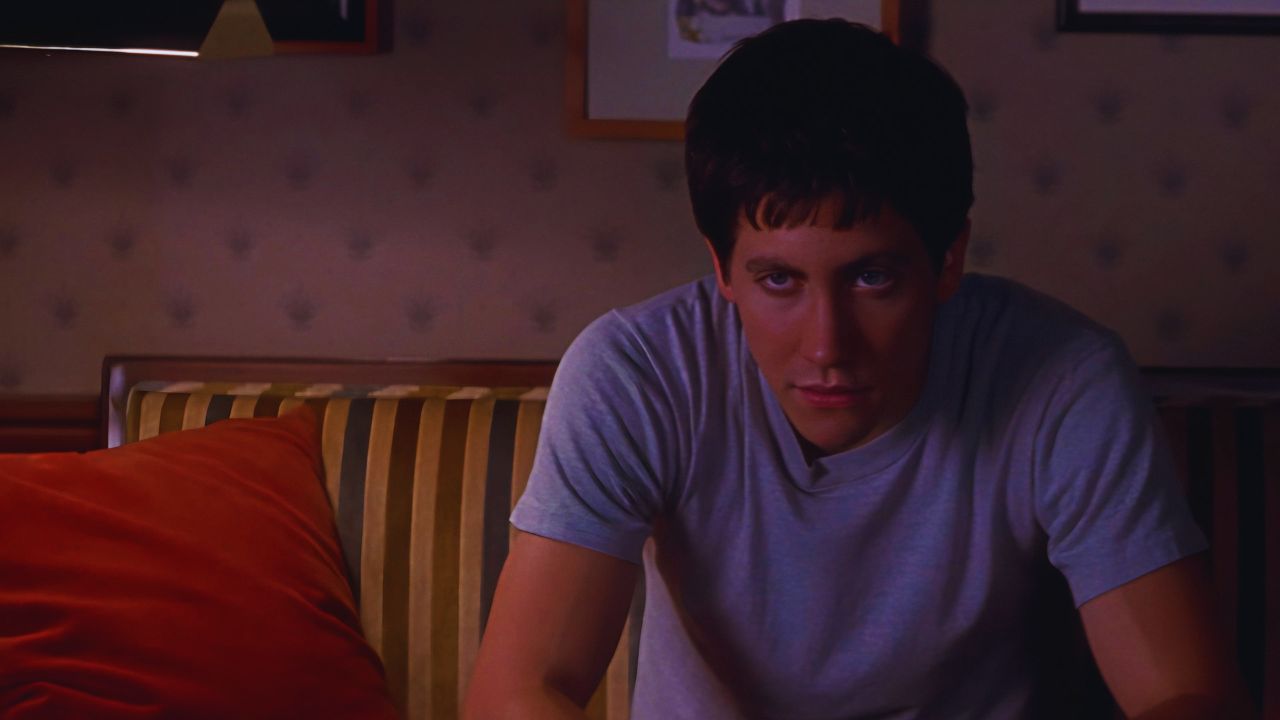
Know Which Version You Watched
The theatrical cut keeps its time-travel language in the background, while the Director’s Cut explains more through Roberta Sparrow’s The Philosophy of Time Travel.
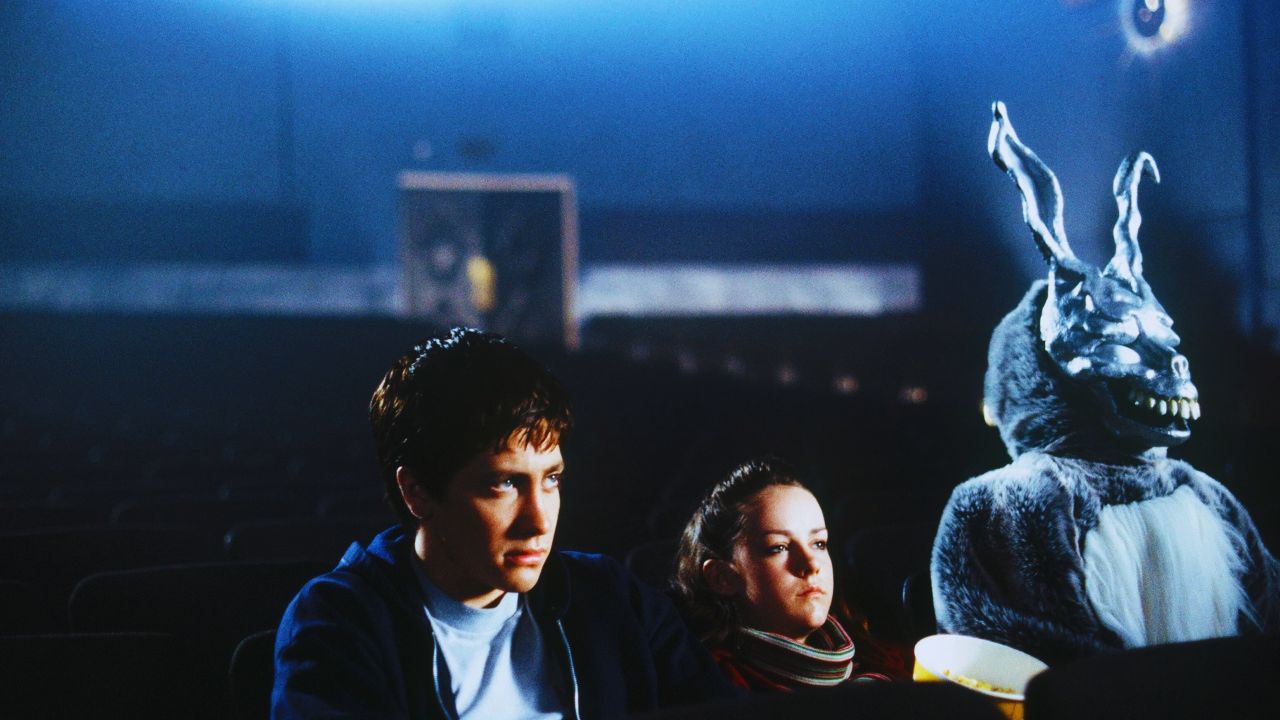
Terms such as the Tangent Universe and Living Receiver map the plot, but the original edit lets viewers share Donnie’s confusion. Both versions reach the same ending; they reveal the cosmic machinery differently.
Before the Crash, Donnie Is Already Unsteady
Donnie is a troubled teenager in Middlesex, Virginia, living with family, attending therapy, taking medication, and sleepwalking. School arguments and tense home scenes do not mean he knows what is coming; they show a boy already detached from ordinary routines.
On October 1, the world is still the Primary Universe, and his trouble is human. The rupture feels worse because it enters a fragile life.
The Jet Engine Creates a Broken World
At night, Donnie follows Frank’s voice outside before a jet engine falls into his bedroom. It has no ordinary source at that moment, and its arrival creates the unstable alternate reality called the Tangent Universe.
He survives only because he is not in bed. The accident begins the twenty-eight-day countdown and turns private pain into a time problem that requires sacrifice.
Donnie’s Role Does Not Make Him “Special”
The supplemental rules call Donnie the Living Receiver, able to return the misplaced artifact to the Primary Universe.
That role explains future-path visions and messages others cannot understand. Still, the film does not make him a superhero.
He is frightened, impulsive, and unsure whether guidance is insight or illness. His role brings responsibility, not certainty, and keeps human confusion central.
Frank Is a Messenger From the Future
Frank’s rabbit mask and damaged eye are frightening before the film explains him. On Halloween, Frank runs over Gretchen, and Donnie shoots him in response.
That later death creates the injured guide who appears earlier in the Tangent Universe. Frank is warning and consequence. His destructive-looking instructions move events toward the closed loop that makes the final correction possible.
Frank Pushes Donnie Forward
Frank tells Donnie when the world will end, leads him from the engine, and pushes him into actions that rearrange people and circumstances.
Flooding the school and burning Jim Cunningham’s house are not harmless, and the film does not celebrate them.
Yet they expose secrets and alter travel plans the timeline needs. Frank represents fate under pressure, not permission. Donnie still chooses within it, preserving the story’s uneasy ethics.
Also Read: Don’t Worry Darling: Symbolism Explained in the Movie
The Tangent Universe Links Separate Events
Events scatter across school, therapy, family arguments, and Donnie’s closeness with Gretchen Ross. The liquid paths he sees before people move suggest the future is exerting force on the present.
Sparrow’s book gives him language for time, destiny, and the artifact. Notice cause and effect, rather than expecting each scene to announce its future purpose.
Gretchen Makes It More Than a Time-Travel Exercise
Gretchen is not simply a clue for the finale. She gives Donnie tenderness, humor, and connection outside the roles others impose on him.
Their relationship makes the Tangent Universe briefly worth living in, which sharpens what follows. When she dies, Donnie understands the world’s cost. Her death turns abstract duty into personal loss and gives the ending emotional weight.
Halloween Pulls the Separate Threads Together
At the countdown’s end, Donnie, Gretchen, the bullies, and Frank reach the same confrontation. Gretchen is struck by Frank’s car, and Donnie shoots him, giving the future guide the wound viewers have seen all along.
The scene resolves the rabbit’s identity without simplifying the story. The Tangent Universe produces the messenger who ends it: timeline closure born from tragic consequence.
The Vortex Shows What Must Return
After the collision, Donnie sees the storm-like opening above town and understands the anomaly. The jet engine is tied to the plane carrying his mother and sister, and it must return to the Primary Universe before the Tangent world collapses.
He takes Gretchen home, returns to his room, and sends the artifact back. It is a deliberate correction, not an escape, and he knows its personal cost.
The Reset Is a Sacrifice, Not a Happy Ending
Time returns to October 2 before the Tangent Universe can continue. Donnie wakes in his bedroom and, unlike the earlier night, stays there as the jet engine falls. His laugh is unsettling because it suggests recognition, not helplessness.
He accepts death to save his family, Gretchen, Frank, and the wider world. The ending brings sad clarity: love and understanding vanish, but the people he loves are spared.
The Survivors Feel Something They Cannot Name
After the reset, characters move through the morning with unease. Gretchen rides past Donnie’s house, waves to his mother, and seems touched by a loss she cannot name.
Frank wakes unsettled, while others carry sadness, guilt, or relief. The film does not call this literal memory. It suggests emotional residue, without claiming anyone understands Donnie’s sacrifice.
Three Questions Make a Rewatch Clearer
A chronological view helps first-time viewers, but a rewatch grows richer when you follow details that bind science fiction to Donnie’s life.
Use these rewatch anchors rather than decoding every symbol. It makes a rewatch less like study and more like an unfolding story:
- What event moves Donnie toward the final decision?
- Which character changes under the Tangent world’s pressure?
- Does an image reveal fate, fear, or both?
Do Not Turn Every Symbol Into a Rulebook
The rabbit, water paths, cellar door, masks, and engine invite interpretation, but they do not have one fixed answer.
Some serve the plot; others deepen the mood of teenage anxiety, mortality, and disconnection. The strongest reading holds both ideas together. Use the time-travel framework for story logic, then let the film’s mystery remain.
Conclusion: Clarity Without Removing the Mystery
Seen in order, the plot is a chain: the engine creates the Tangent Universe, Frank guides Donnie, Gretchen’s death reveals the loop, and Donnie returns the artifact.
Yet the film lasts because this mechanism is inseparable from a lonely teenager choosing a life he cannot keep.
On a rewatch, follow duty becoming love, fear becoming understanding, and strange events becoming consequence. That offers clearer context while preserving the uneasy feeling that makes Donnie Darko memorable.