Streaming platforms shape how you watch TV shows and movies today. You see different home screens, release schedules, and recommendations depending on how you use the service.
This guide explains the basics so you can understand what’s happening and make smarter viewing choices.
What a Streaming Platform Does
A streaming platform delivers TV shows and movies over the internet. It lets you watch anytime with pause and resume controls.
It also uses your viewing activity to organize the home screen and recommendations.
- On-demand viewing — You choose what to watch and when, not a fixed TV schedule.
- Internet delivery — Videos stream over your internet connection instead of cable or an antenna.
- Content library — Shows and movies are stored online for instant access.
- Playback control — You can pause, rewind, fast-forward, and resume anytime.
- Cross-device access — You can continue watching on your TV, phone, tablet, or laptop.
- Profiles and accounts — Separate users can have different watch histories and suggestions.
- Recommendations — The platform suggests titles based on what you watch and skip.
How Content Is Organized on Streaming Platforms
Streaming platforms arrange content to help you find something to watch quickly.
The layout is designed to highlight new, popular, and relevant titles based on your activity.
Most organizations are structured by rows, categories, and visual placement.
- Home screen rows — Horizontal sections that group content by theme or purpose.
- Recommendations — Personalized rows based on your watch history and interactions.
- Genres and categories — Content grouped by type, such as drama, comedy, or action.
- Featured placements — Large banners or top rows that promote selected titles.
- Continue watching — A dedicated row that saves your current progress.
- Trending and popular — Rows showing titles watched by many users recently.
Profiles, Accounts, and Household Use
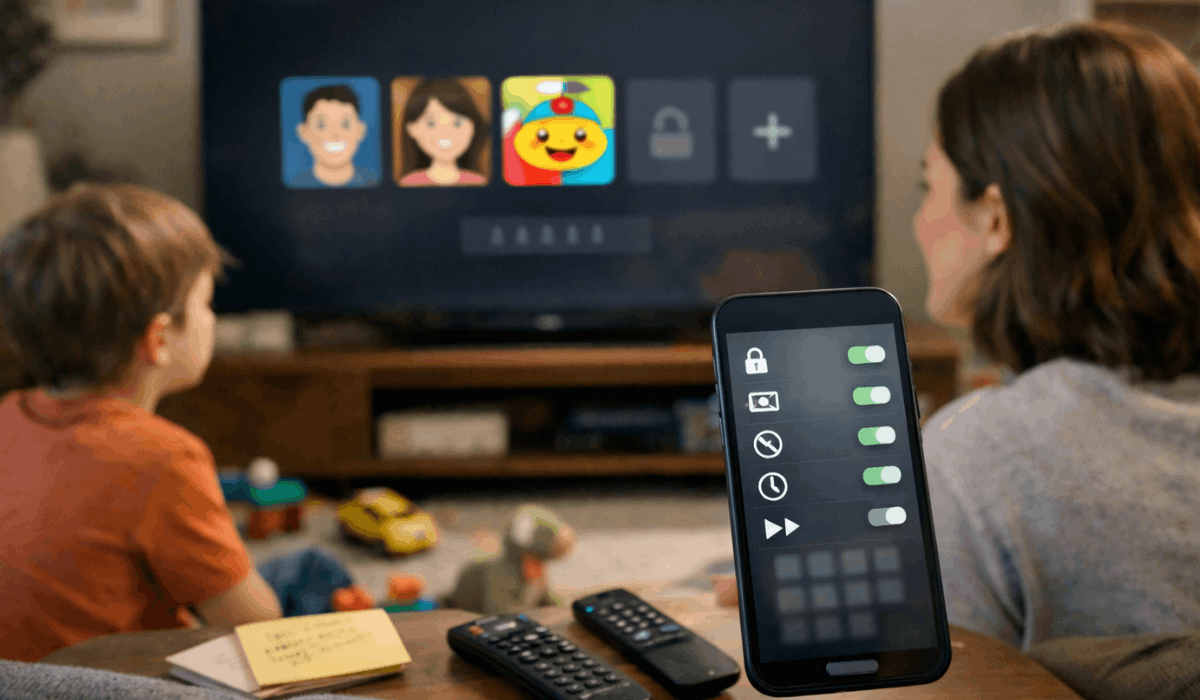
Profiles and accounts help streaming platforms manage multiple viewers under one subscription.
They separate the viewing activity so recommendations and progress stay accurate. This setup is designed for families and shared households.
- Single account structure — One subscription can support multiple users in the same household.
- Individual profiles — Each profile keeps its own watch history and recommendations.
- Viewing separation — Kids’ content and adult viewing do not mix when profiles are used correctly.
- Progress tracking — Episodes and movies resume from the correct point for each user.
- Parental controls — Age limits and restrictions can be applied to specific profiles.
- Household conflicts — Shared accounts can cause confusion if profiles are not respected.
Release Models Used by Streaming Platforms
Release models control when and how episodes become available.
They shape viewing habits, online discussions, and audience retention. Platforms choose models based on engagement goals.
- Weekly releases — One episode is released at a time to maintain ongoing interest.
- Discussion cycles — Weekly gaps encourage conversation and anticipation between episodes.
- Full-season releases — All episodes drop together for immediate access.
- Binge viewing — Viewers can watch at their own pace, but interest may fade quickly.
- Split-season releases — Seasons are divided into two or more parts.
- Extended visibility — Breaks keep the show relevant for longer.
How Recommendations Actually Work
Recommendations are driven by how you interact with content. Platforms track simple viewing signals to adjust what you see.
The system reacts to both passive and active choices.
- Watch time — Longer viewing signals stronger interest.
- Completion rate — Finishing episodes increases similar recommendations.
- Repeat views — Rewatching strengthens genre or title signals.
- Likes and ratings — Manual feedback influences future suggestions.
- Skips and exits — Early exits reduce similar content exposure.
Why Platforms Promote Certain Titles
Not all content receives equal visibility. Platforms control placement to guide attention. Promotion decisions balance strategy and performance.
- Homepage placement — Top rows and banners increase exposure.
- New releases — Fresh content is often prioritized.
- Original titles — Platform-owned shows receive strategic promotion.
- Performance signals — High engagement can boost visibility.
Global vs Regional Availability
Content availability can change depending on where you live. Platforms follow regional licensing deals, distribution rules, and local agreements.
This determines which titles you can access and when they appear in your catalog.
- Licensing rights — Contracts differ by country, so platforms cannot show the same titles everywhere.
- Regional catalogs — Available titles change by location, which is why your library may look different from another country.
- Staggered releases — Some regions receive content later than others, often due to local deals or scheduling plans.
- Local regulations — Laws can affect distribution timing, including age ratings, edits, or required approvals.
Episode Guides and Platform Design
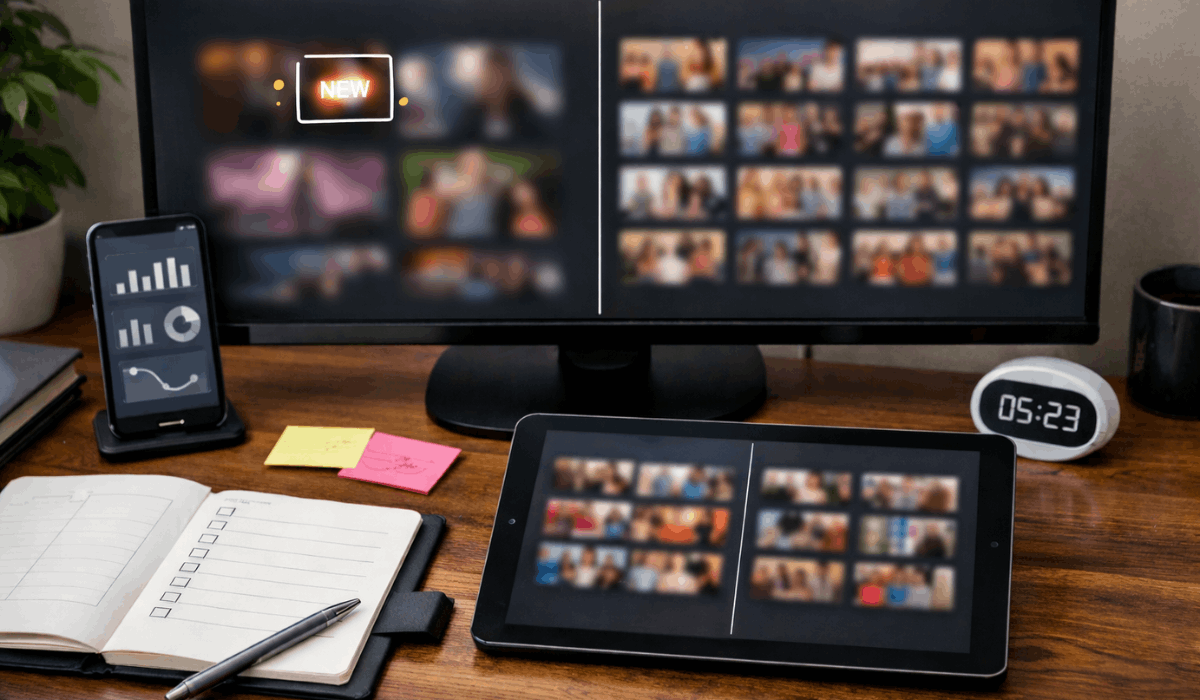
Episode guides help you navigate seasons and progress. Design choices influence how easily you follow a series. Platforms prioritize simplicity and speed.
- Season grouping — Episodes are organized by season and part.
- Episode order — Automatic sequencing reduces manual selection.
- Auto-play — Next episodes start without user input.
- Recaps and previews — Short summaries help with continuity.
How Platforms Decide Renewals and Cancellations
Renewal decisions depend on performance, not popularity alone. Platforms analyze viewing data and costs. Long-term value is a key factor.
- Completion rates — Finished seasons signal strong engagement.
- Audience retention — Returning viewers matter more than total clicks.
- Production cost — High expenses raise renewal thresholds.
- Growth impact — Shows that attract or retain subscribers are favored.
Subscription Tiers and Pricing Models
Pricing affects how you access content. Platforms offer multiple plans to reach different audiences. Features vary by tier.
- Ad-supported plans — Lower cost with commercial interruptions, so you trade time for a cheaper subscription.
- Ad-free plans — Higher price with uninterrupted viewing, which is better if you watch often and dislike breaks.
- Video quality limits — Resolution may depend on the plan, such as HD or 4K, being locked to higher tiers.
- Device restrictions — Simultaneous streams can vary by tier, limiting how many people can watch at the same time.
Data, Privacy, and Viewing Controls
Platforms collect basic usage data to function and personalize content. Controls allow you to manage access and limits. These tools are especially important for households.
- Viewing history — Tracks what you watch and complete, which shapes your home screen and suggestions.
- Search activity — Helps refine recommendations by showing what you look for, even if you do not press play.
- Parental controls — Restrict content by age or rating, helping keep kid profiles aligned with household rules.
- Time limits — Manage how long profiles can watch, supporting routines and reducing endless autoplay.
Platform Updates and Interface Changes
Streaming platforms change over time. Updates are driven by testing and feedback. Layout changes aim to improve engagement.
- Interface redesigns — Visual layouts are adjusted periodically.
- Feature testing — New tools are tested with a limited number of users.
- Algorithm updates — Recommendation logic is refined regularly.
- User feedback — Complaints and usage patterns influence changes.
Choosing the Right Platform for Your Viewing Style
Different platforms suit different habits. Your viewing pattern should guide your choice. One size does not fit all.
- Solo viewers — Personalized recommendations and flexible pacing matter.
- Families — Profiles and parental controls are essential.
- Shared households — Multiple streams and clear profile separation help.
- Release preference — Weekly or binge models should match your habits.
Final Takeaway for Viewers
Streaming platforms follow clear patterns in how they organize content, release episodes, and guide your viewing choices.
When you understand these systems, you can avoid confusion and get more value from your subscription.
Use this knowledge to adjust your settings, choose the right platform, and watch on your own terms.