Streaming services are everywhere, but not all of them are easy to understand. That’s where this guide comes in. It breaks down the basics and explains everything in simple terms.
This article focuses on Netflix, Prime Video, and Disney+ — and offers Streaming Platforms Explained Without Jargon for anyone who wants clarity.
What Streaming Platforms Actually Are?
Streaming platforms let you watch movies and shows without cable or downloads. They work through your internet connection.

You can press play anytime without waiting for the show to air. These platforms hold large libraries of content that update often.
Most charge monthly, and you can cancel or restart anytime. Once subscribed, you can access content instantly on phones, tablets, or TVs.
What Netflix, Prime Video, and Disney+ Offer?
Each platform gives you something slightly different. Understanding the focus of each helps you make a smarter choice.
Netflix: Known for Originals and Global Reach
Netflix became popular by producing original content. It’s known for series like Stranger Things, The Witcher, and Bridgerton.
It also licenses popular third-party titles. Its content is global, with options in multiple languages.
The full-season release model suits binge-watchers. It regularly updates its lineup to stay fresh.
Prime Video: Part of a Bigger Amazon Package
Prime Video is bundled with Amazon Prime. You can also subscribe to it separately if you don’t shop on Amazon.
Its shows include Reacher, The Boys, and Fallout. You can rent or buy new movie releases as extras.
Prime Video offers optional channels like Starz or Paramount+. It also features sports content in selected regions.
Disney+: Family-Focused with Major Franchises
Disney+ features exclusive access to Marvel, Star Wars, and Pixar. It’s the go-to service for family content.
You’ll find legacy Disney animations and new originals like Loki and Ahsoka. It uses a weekly release model to spread out major shows.
Timelines are built into collections like “Marvel in Timeline Order.” It supports both kid and adult profiles.
Plans, Prices, and What You’re Really Paying For
Plans vary by service and affect what you can watch or download. Here’s how each one is structured.
Netflix offers Basic (with ads), Standard, and Premium. Prices increase with screen quality and simultaneous devices. Only Premium allows Ultra HD and multiple screens. They now charge extra for sharing outside your household.
Prime Video is cheaper if you’re already an Amazon Prime member. As a standalone, it’s mid-priced compared to others. Add-on channels increase your total cost. Some new releases cost extra even if you’re subscribed.
Disney+ comes with two main tiers: Basic (with ads) and Premium. Premium offers downloads, no ads, and 4K. Bundles include Hulu and ESPN+ in some regions. Discounts appear during regional campaigns or holidays.
What Features Make the Experience Smoother?
Some tools help you control what and how you watch. They may not seem essential, but they shape your experience.
Netflix has robust profiles, parental controls, and top recommendations. Prime Video includes “X-Ray,” showing actors and trivia mid-episode.
Disney+ allows grouped watchlists based on franchise or theme. Offline downloads are available on most plans, but not all.
Device Support and Where You Can Watch
You can stream on nearly any modern device. However, features and quality may vary based on your setup.
All three platforms support smart TVs, laptops, tablets, and phones. Netflix and Disney+ support game consoles as well.
Some features, like offline downloads, only work on mobile. Quality settings adjust based on your internet speed and plan.
Real-World Viewing Support
How Content Is Organized and Found
Each platform helps you explore its catalogs differently. Good organization saves time and frustration.
Netflix uses rows like Trending, New Releases, and Top 10. Prime Video’s home screen mixes free and paid content.
Disney+ presents by brand: Marvel, Star Wars, Pixar, and National Geographic. All three allow search by title, actor, or genre.
Episode Timelines and Franchise Guides
Some content is more enjoyable in a specific order. Disney+ excels here.
- Marvel shows are grouped by timeline, not release date.
- Star Wars includes full saga orders with chronological and release view options.
- Prime Video and Netflix don’t offer in-app timeline support.
- Outside guides are often needed for complex franchises.
Where Streaming Services Get It Right (And Wrong)?
No platform is perfect. Here are common highlights and pain points worth knowing.
What Works Well?
These platforms shine in different ways. Each one is optimized for a different kind of viewer.
Netflix wins on content volume and algorithmic suggestions. Disney+ offers unmatched franchise organization and child safety.
Prime Video stands out with its mix of free content and extras like rentals. All three offer strong subtitle and dubbing support.
What Still Needs Improvement?
Even the biggest services have weak points. Small details can affect user satisfaction.
Netflix removes licensed content without warning. Prime Video’s interface often buries helpful options.
Disney+ has a smaller general content library than others. Support for customer issues varies by region and platform.
How They Handle Subtitles, Language, and Regions?
These services are global but not identical in every country. What you see may depend on where you live.
Netflix has one of the strongest international libraries. Language settings are flexible per profile.
Prime Video is more limited outside of core regions. Disney+ adds titles slowly in some countries, depending on licensing.
Behind the Scenes: Originals vs Licensed Content
Not everything on these platforms is made by them. Some shows are temporary, others exclusive.
Netflix invests heavily in original series and movies. These don’t disappear unless removed by Netflix itself.
Prime Video blends originals with licensed shows and rentals. Disney+ holds permanent rights to Disney, Marvel, and Lucasfilm productions.
When to Use Bullet-Based Rankings or Guides?
Viewers often get overwhelmed by choices. Ranking tools and external episode guides can help.
Netflix and Disney+ do not provide built-in ratings. Prime Video offers IMDb-style rankings during episodes.
For complex viewing orders, external blogs and YouTube breakdowns are essential. Sites like JustWatch or Reelgood help compare platforms side by side.
Smart Viewing Starts with the Right Fit
Choosing a platform isn’t just about price. It’s about what suits your habits.
Netflix is for content explorers and binge-watchers. Prime Video works best for existing Amazon users who want occasional extras.
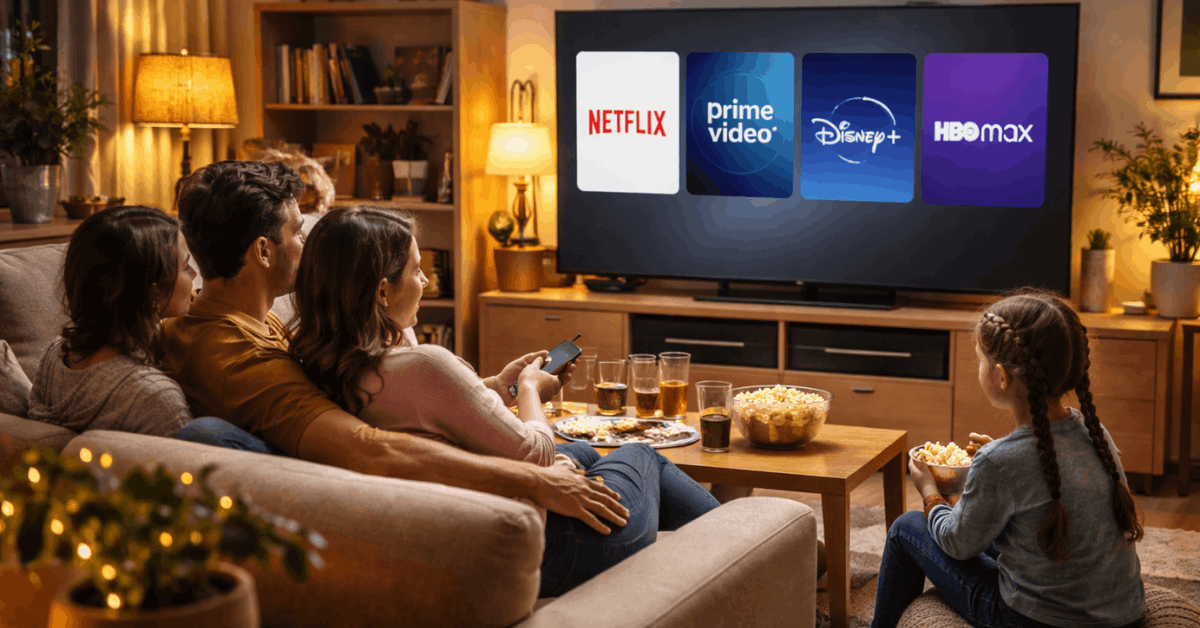
Disney+ is ideal for families and fans of specific franchises. Knowing your viewing style helps you skip what you don’t need.
Final Take: Making Streaming Simple and Worthwhile
You don’t need to be tech-savvy to enjoy shows. You just need the right tools and clear choices.
This guide focused on Streaming Platforms Explained Without Jargon, so you can decide what truly fits your viewing life.
Start with one service based on your interests, then expand if your habits grow. Streaming is flexible — and now, you’re equipped to use it well.