Streaming platforms don’t all follow the same formula when it comes to episode scheduling. How Streaming Services Handle Series Releases depends on platform goals, audience behavior, and even content type.
Some favor bingeing, while others aim for long-term engagement. This article breaks down the strategies used by Netflix, HBO Max, and Apple TV+ so you know what to expect.
Netflix: The Platform That Popularized Binge Releases
Netflix changed how people watch TV by releasing entire seasons all at once. Over time, its strategy has evolved based on audience reactions and engagement trends.

Why Netflix Built the Binge-Watch Model?
Netflix introduced the binge model to keep users engaged for hours at a time. This format encourages viewers to stay on the platform and complete a series in one sitting.
Series like Stranger Things and The Witcher gained traction from this structure. Viewers could avoid spoilers and keep the emotional momentum.
However, this often leads to short-lived cultural buzz. After one week, the conversation usually dies down.
Netflix’s New Shift: Split Seasons and Weekly Drops
In recent years, Netflix has tested new approaches for flagship content. Some shows are now released in two parts to extend relevance across weeks.
For example, Stranger Things 4 dropped in two volumes to sustain attention. Other content, like The Great British Bake Off, follows a weekly model.
These shifts aim to keep users subscribed over multiple months. Netflix now blends binge and drip strategies based on genre and audience type.
HBO Max: Loyalty to Weekly Storytelling
HBO Max sticks to a traditional release model built on slow, structured viewing. Its strategy builds anticipation and maintains viewer discussion over time.
Weekly Drops for Prestige TV
HBO Max usually releases one episode per week. This approach mirrors classic cable scheduling, especially for high-profile series like House of the Dragon.
Viewers return weekly and build stronger emotional investment. Social media buzz lasts longer when episodes are spread out.
The pacing encourages theories, reactions, and community. It also supports HBO’s long-standing “Sunday night TV” reputation.
The Event Format for Special Titles
Sometimes HBO Max drops multiple episodes at once to boost early viewership. This strategy is used for mini-series or documentaries to quickly grab attention.
For instance, the first three episodes might premiere together before continuing weekly. These decisions often depend on story pacing or awards eligibility.
By mixing formats, HBO Max balances buzz with sustained engagement. However, it always leans toward the prestige appeal of slow builds.
Apple TV+: A Hybrid Strategy for Viewer Retention
Apple TV+ blends binge-like starts with weekly consistency. Its hybrid approach reflects a focus on steady viewership and creative pacing.
Apple’s Signature Model: 3-Episode Launch + Weekly
Many Apple Originals start with a 3-episode drop, then follow a weekly schedule. Shows like Ted Lasso and Severance follow this model.
This gives new viewers time to get hooked before the pacing slows down. It builds quick interest without the pressure of full bingeing.
Apple relies on weekly episodes to maintain rhythm and app engagement. The model keeps viewers talking and subscribed.
Full-Season Drops for Select Content
Some Apple TV+ titles are released in full. This applies to less serialized or international content. When bingeability enhances story impact, Apple leans into it.
For example, Calls released all episodes at once due to its short, experimental structure. These full drops are the exception, not the rule. Apple’s main strategy favors steady, weekly momentum.
Why Release Models Matter for You?
Understanding episode strategies helps you enjoy shows without confusion. It also helps manage spoilers and time commitment.
- Binge releases give immediate gratification but can feel overwhelming.
- Weekly drops build suspense and extend enjoyment over time.
- Split seasons create anticipation and can improve retention.
- Hybrid formats offer a strong start with long-term consistency.
Knowing what to expect lets you control your watch schedule and avoid burnout.
Platform Goals Behind Release Timing
Every platform chooses a release strategy based on more than just storytelling. Timing impacts churn, buzz, and user engagement.
Retention, Buzz, and Cultural Relevance
Netflix wants users to finish content quickly but stay subscribed longer. HBO Max aims to dominate conversation week after week.
Apple TV+ builds a loyal base through predictable pacing. The strategy is rarely just about the content itself.
It’s also tied to subscription renewals, awards season, and media cycles. Each release choice serves a larger business goal.
Platform Identity and Audience Expectation
Netflix built its brand on bingeing, so full drops still match user expectations. HBO viewers often expect one premium episode per week.
Apple TV+ users are adapting to hybrid releases. These preferences are shaped by years of experience and branding.
Platforms rarely stray far from what their audience trusts. Consistency matters as much as innovation.
Release Timing by Region and Time Zone
When a series drops depends not only on platform but also your location. Many streaming platforms time their releases globally or regionally.
Worldwide Launch Windows
Netflix often releases shows at midnight Pacific Time. This means early morning in Europe and mid-morning in Asia. Apple TV+ follows a similar global schedule.
This model builds international buzz at once. However, it can disadvantage viewers in certain time zones. Being aware of these drop times helps avoid spoilers.
Regional Restrictions and Licensing Delays
Some content appears later in certain countries due to licensing issues. For example, HBO Max originals may reach Portugal or Brazil days or weeks later.
Platforms sometimes delay episodes due to translation or dubbing schedules. In some cases, a show may only be available via a partner channel or app. Always check local streaming guides for accuracy.
What Viewers Can Do to Stay Updated
If you want to keep up with streaming releases, you’ll need tools to track them. Most platforms offer basic features to help.
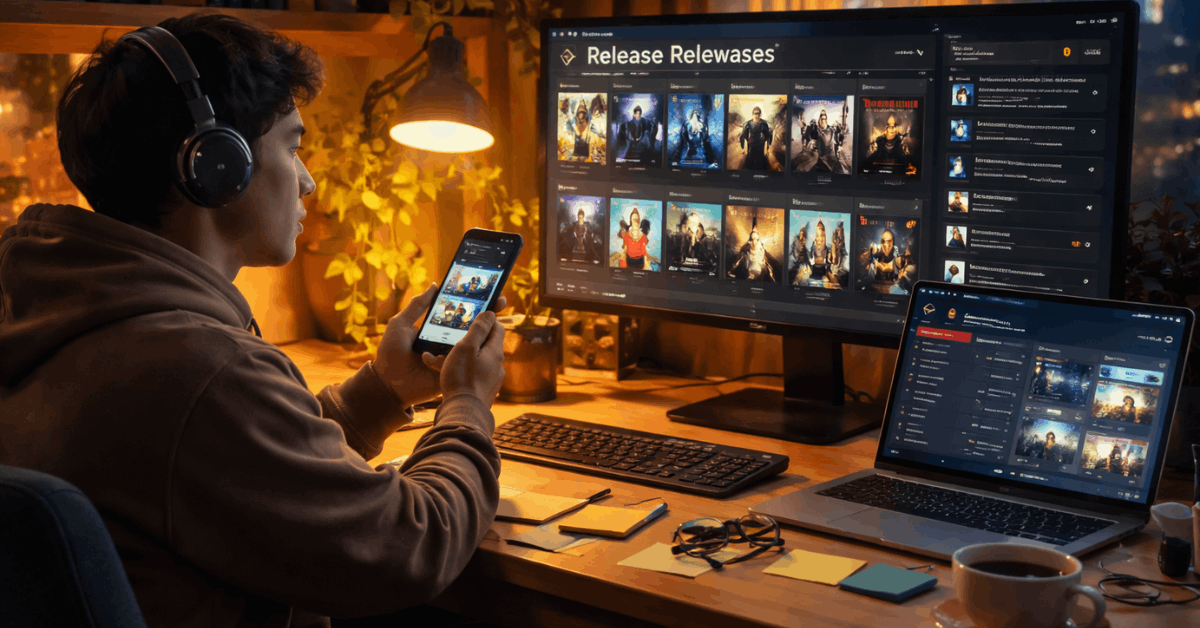
- Use watchlists and reminders inside the app to follow release dates.
- Subscribe to platform newsletters or official Twitter accounts.
- Check episode calendars through third-party sites like JustWatch or TV Time.
- Bookmark fan pages or community trackers for accurate schedules.
These methods reduce surprise drops and help you plan your screen time. You’ll also avoid spoilers when episodes go live in your region.
Bonus Viewer Tip: Choose Your Platform by Release Style
If you’re overwhelmed by content volume, choose platforms based on pacing. Each release style fits different types of viewers.
- Prefer bingeing over one weekend? Netflix works best.
- Enjoy building theories or watching with friends? HBO Max is your go-to.
- Want a balance between early access and structure? Try Apple TV+.
Understanding platform behavior makes your subscription feel more useful. You get what matches your habits, not just what’s popular.
Final Word: Why Episode Schedules Are Carefully Designed
You might think episode release timing is random, but it’s not. How Streaming Services Handle Series Releases is a calculated decision that blends storytelling with strategy.
Each platform tests, adapts, and evolves to meet user expectations and business goals. Now that you understand how it works, you can stream smarter and make every episode count.