In the final hours of HBO’s saga, Game of Thrones Characters settle into endings that close wars, redraw borders, and reset power. Expect a practical recap of who lives, who dies, and what jobs or journeys follow.
Game of Thrones ending explained in clear terms helps tie scattered events into one map of outcomes. Because search intent often centers on who survives in Game of Thrones, this guide highlights the fates of main characters first, then the major deaths in Westeros that shaped the finale.
Game Of Thrones Characters: Final Map Of Survivors and Endings
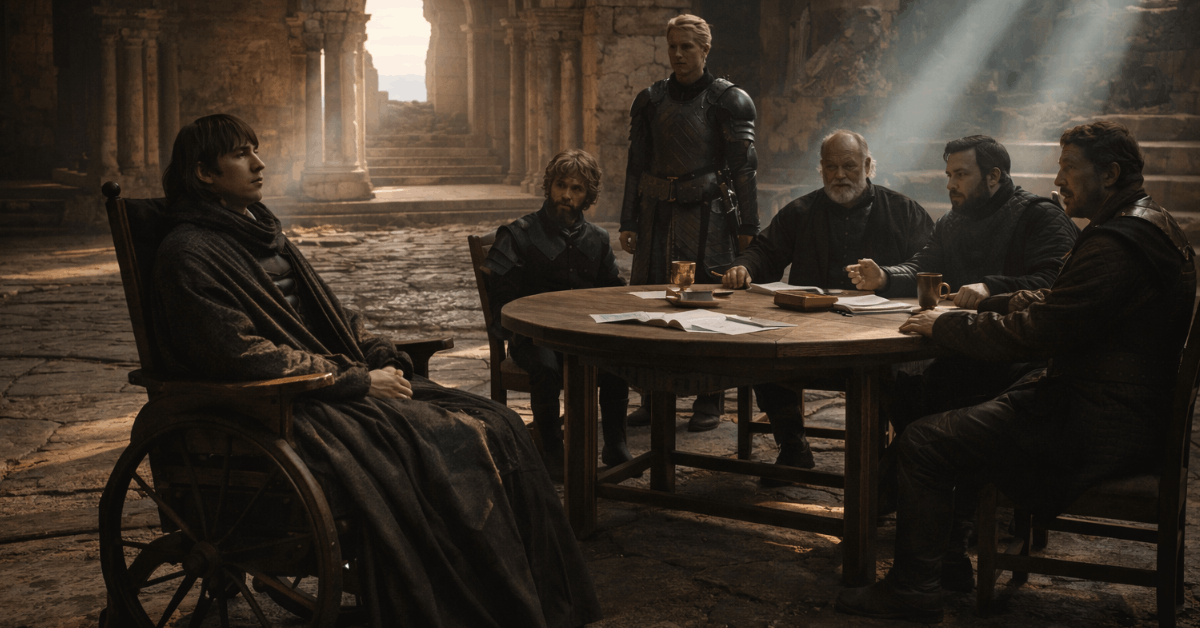
Across the realm, Bran is chosen as King of the Six Kingdoms while Sansa leads an independent North. Jon kills Daenerys to halt further slaughter, then accepts exile and rides beyond the Wall with the Free Folk.
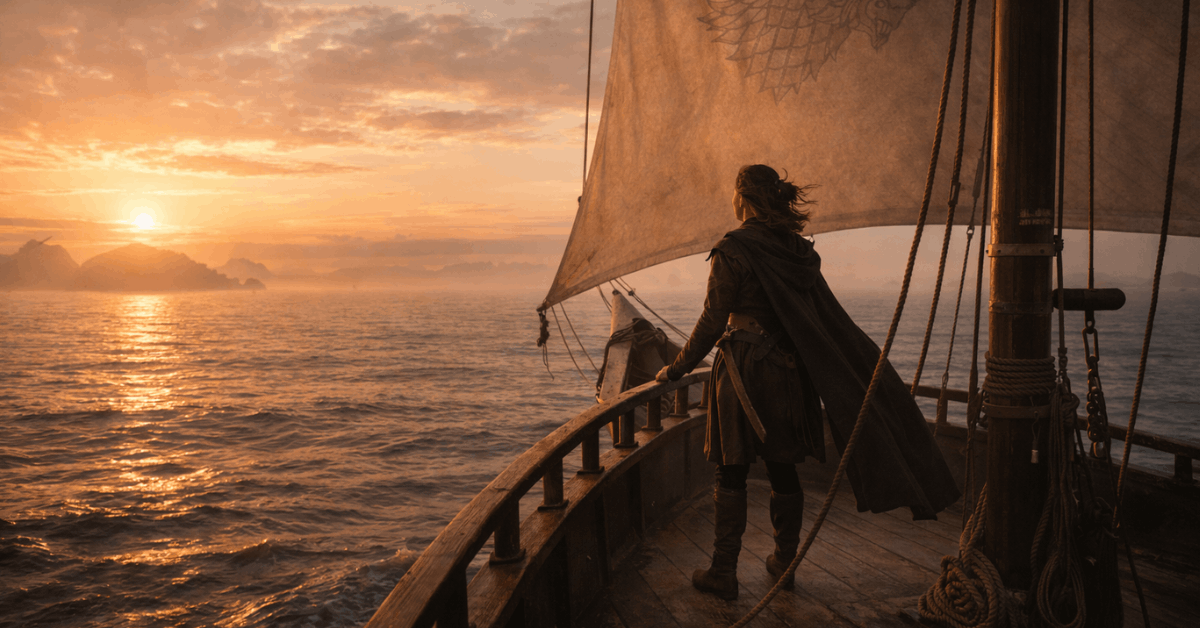
Arya refuses titles and sails west of Westeros to chart unknown lands. Tyrion returns to service as Hand, aligning his survival with governance rather than glory. Stark family outcomes, Lannister family fate, and allied houses converge around a fragile peace that relies on a smaller crown and a broader council.
Major Survivors and Their Fates
In this section, focus stays on the characters still alive when the credits roll, along with the roles or journeys they choose. Expect concise status notes grounded in the final episode, not speculative edits or off-screen theories.
Since several are core to the political reset, each entry points to how the new order functions. Survivors after season 8 are grouped for quick scanning.
Jon Snow
After killing Daenerys inside the Red Keep, Jon accepts a sentence to the Night’s Watch, then departs beyond the Wall alongside Tormund and Ghost. Duty shifts into stewardship as he helps the Free Folk resettle, ending his story far from southern courts.
Sansa Stark
Independence becomes policy when Northern lords acclaim Sansa as Queen in the North. Authority rests on stable grain, loyal bannermen, and a blunt lesson learned in King’s Landing: safety arrives when the North governs itself.
Arya Stark
A life of lists turns outward as Arya sails west of Westeros, treating exploration as purpose rather than vengeance. Skills from the Faceless Men and hard travel translate into survival and discovery at sea.
Bran Stark
Election replaces inheritance when lords select Bran the Broken as king. His sight and detachment support a calmer rule, then the Bran the Broken council handles coin, ships, and records while he searches for Drogon’s trail.
Tyrion Lannister
Clemency comes with chains of office. Tyrion becomes Hand to Bran, rebuilds chambers of state, and aims at incremental fixes that outlast charismatic rulers. His survival reads as a pivot from cleverness for survival to service for repair.
Brienne Of Tarth
Service continues as Lord Commander of the Kingsguard. Brienne completes Jaime’s entry in the White Book with an even hand, then refocuses the guard on protection, not court performance.
Samwell Tarly
Study wins. Sam becomes Grand Maester, brings forward an early realm history, and supports practical governance on education, records, and health.
Grey Worm and The Unsullied
Honor binds action. Grey Worm escorts the Unsullied to Naath to keep Missandei’s memory as a living promise, ending his Westerosi campaign without vengeance.
Bronn
A sell-sword’s ambition hardens into policy. Bronn holds Highgarden and serves as Master of Coin, balancing hard realism about harvests against promises made in war.
Yara Greyjoy
Autonomy defines leadership. Yara returns to the Iron Islands as queen, maintains a naval shield for the new peace, and resists continental entanglements that drain ships and salt.
Robin Arryn and Yohn Royce
The Vale bends toward consensus. Robin matures into a more conventional lord while Yohn Royce continues as practical steel behind the Eyrie’s banner.
Podrick Payne
Service endures. Podrick remains near Tyrion and Brienne, steady as a court companion whose loyalty outlived the wars.
Ghost and Nymeria
Direwolves mirror their humans. Ghost travels north with Jon; Nymeria roams as a pack leader, wild and unclaimed, a reminder that some bonds breathe best at a distance.
Key Deaths That Shaped The Ending
Context matters because several pivotal deaths change the board and force the final choices. In this section, the focus is on cause, consequence, and the storyline pressure each loss imposes.
Fewer details about staging or episode timing, more about why the realm moved the way it did. Major deaths in Westeros are summarized where outcomes ripple through the endgame.
Daenerys Targaryen
After burning King’s Landing, Daenerys dies in the throne room when Jon chooses duty over love. Drogon carries her body east, ending Targaryen restoration in the capital and creating the vacuum that a vote must fill.
Cersei and Jaime Lannister
Reunited beneath the Red Keep, Cersei and Jaime die under collapsing stone. Lannister family fate shifts from dominance to memory, clearing space for postwar lords who favor process over dynasty.
The Night King
The Long Night ends when Arya strikes at Winterfell. Without the Night King, the living turn energy back to politics, and the North enters the finale with moral leverage that strengthens Sansa’s independence case.
Joffrey Baratheon
Poison at his wedding detonates Lannister power early, making space for Tywin’s overreach and Tyrion’s flight. That chain leads Tyrion toward Daenerys, then back to the Red Keep for the last act.
Ramsay Bolton
Eaten by his own hounds after losing Winterfell, Ramsay’s death restores the Stark banner and unlocks the North’s resolve during the great council years later.
Petyr Baelish
Executed at Winterfell after Arya and Sansa expose his crimes, Littlefinger’s end removes the final inside agitator pushing the Stark siblings against each other.
The High Sparrow and The Sept Of Baelor
Wildfire removes the theocratic bloc and most Tyrell influence in one strike, centralizing Cersei’s control and accelerating the city’s moral collapse by season 8.
The Khals In Vaes Dothrak
Daenerys burns the hut, walks through flame, and consolidates Dothraki allegiance. That army later amplifies the terror in King’s Landing, making Jon’s decision unavoidable.
Season 1 Faces Who Make It To The End
Several characters who did not headline the pilot still cross the finish line and matter to stability. This section focuses on a handful of questions often asked about, especially when tracking the fates of main characters and long-tail survivors.
Samwell Tarly
Introduced at Castle Black, Sam grows into a scholar who champions truth over tradition. His survival connects the Watch’s discipline to a civilian state that values records and learning.
Bronn
A sellsword with precise instincts, Bronn rides opportunity without sentiment. Highgarden and the treasury put those instincts to work in peacetime.
Gendry Baratheon
The king’s bastard becomes the lord of Storm’s End after royal legitimization. Arya refuses his proposal, keeping their arcs aligned to independence rather than marriage.
Robin Arryn
The young Lord of the Eyrie matures enough to add a steady vote for Bran. His survival signals that sheltered nobles can still adapt when war ends.
Where The Realm Lands After The Finale
Postwar Westeros trades single-family rule for a looser compact. A king elected by lords, an independent North, and a Hand who values negotiation push the realm toward smaller, steadier decisions.
Treasury, ships, laws, and ravens move through offices rather than whims, and the council’s mix of Bronn, Davos, Brienne, and Sam shows the preference for competence over lineage.
Because the wall remains a symbol and a sanctuary, Jon’s northward passage also functions as a pressure valve that keeps southern vengeance off the table.
Quick Answers To Common Questions
Short clarifications help when rewatching or catching up after a long gap. Treat this as a fast reference tied to the finale’s facts.
- Did Tyrion die in the end? No, he lives and serves as Hand to Bran.
- Did the Starks get what they wanted? In parts, yes, through sovereignty, survival, and separate paths.
- Who ruled the Iron Islands? Yara Greyjoy leads, maintaining distance and sea strength.
- What happened to Drogon? The dragon flies east, carrying Daenerys; Bran seeks his location.
- Is the Iron Throne still used? No, the blade mass melts, and kingship shifts to election.
Notes On Spin-Offs and Canon
Interest often turns to future screens after a finale this large. House of the Dragon functions as a prequel set nearly two centuries earlier, so no survivor appears. A Jon Snow follow-up entered early development, then stopped.
Arya’s westward voyage remains a frequent fan request, yet no active production confirms it. For now, endings described above stand as the final screen canon.
Structured Recap: Families at a Glance
Clarity improves when outcomes are grouped by house, since allegiances defined so many conflicts. Stark family outcomes include Sansa as Queen in the North, Arya as an explorer, Bran as king, and Jon living beyond the Wall.
Lannister family fate ends in the rubble for Cersei and Jaime, while Tyrion survives to rebuild governments rather than destroy them.
The Greyjoy banner flies under Yara. The Baratheon line resumes at Storm’s End through Gendry. Targaryen power vanishes in the capital even though Drogon lives somewhere east.
Why These Endings Fit The Story’s Logic
After eight seasons of attrition, survival depends on humility, alliances, and the ability to serve something larger than personal claim. Jon gives up titles for peace. Sansa claims sovereignty because the North bled whenever southern games resumed.
Arya abandons cycles of revenge and picks discovery. Tyrion trades clever one-liners for slow repairs. Bran accepts the ceremony as a means to keep strongmen out.
When the dust settles, the fates of main characters align with the themes the show repeated: power without restraint burns cities, while shared rule blunts the edge.