A House of the Dragon character guide is more useful when it explains what each person wants from the crown at the outset, not only which dragon they ride.
The series begins with a royal family that still looks powerful from the outside, but every marriage, insult, and delayed decision adds pressure beneath the surface.
This is a story about succession and family loyalty becoming impossible to separate. The people below matter because their private wounds keep changing the future of Westeros.
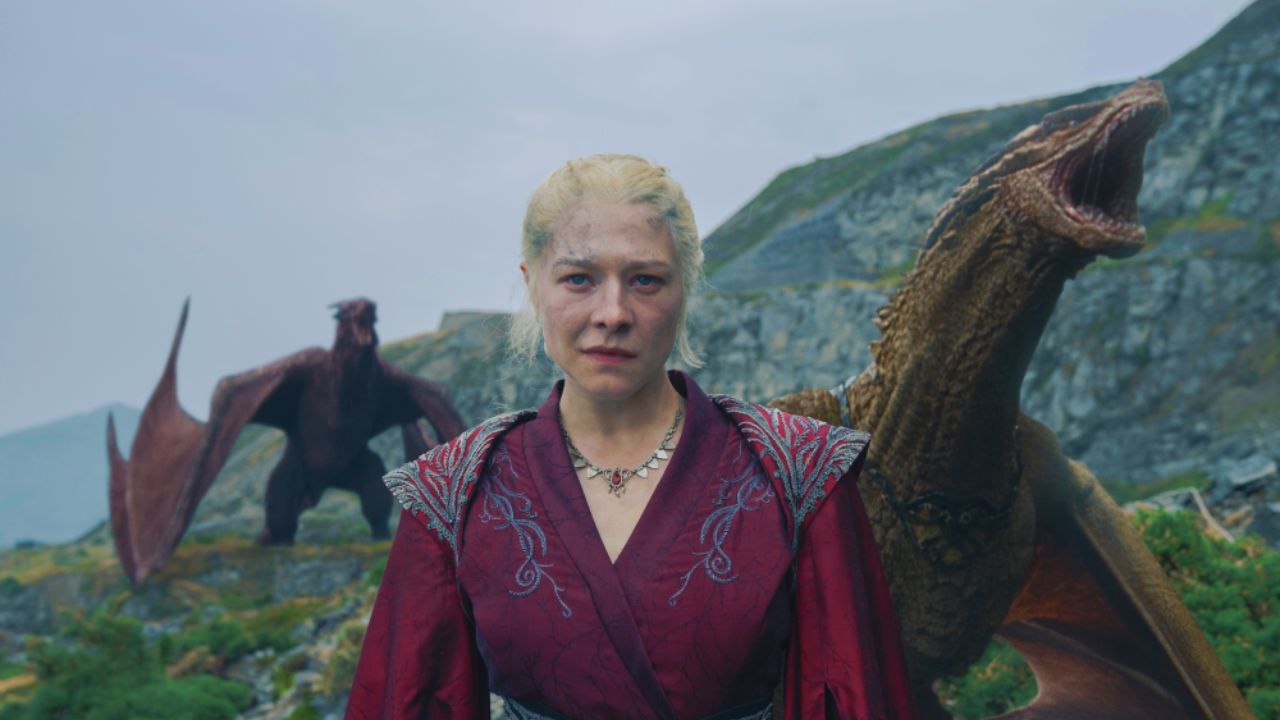
Viserys Names an Heir but Leaves No Lasting Settlement
Viserys I Targaryen wants peace badly enough to confuse delay with wisdom. By naming Rhaenyra his heir, he makes a clear public choice, yet his second marriage and later sons create a rival path that he never fully confronts.

He expects love for him to outlast the court’s appetite for power. That hope becomes his central failure: kindness without resolution leaves everyone else to fight over the silence he creates.
Rhaenyra Learns That a Claim Must Be Defended Every Day
Rhaenyra is named heir early, but the title never protects her from court gossip, questions about her children, or the expectation that a woman must prove twice as much as a male rival.
Her choices can be reckless, but the pressure on her is real and relentless. She is not simply chasing a throne; she is trying to keep her father’s word from being erased. Her story makes legitimacy feel personal, and power feel painfully conditional.
Alicent Turns Duty Into a Political Position
Alicent begins as Rhaenyra’s closest friend, then grows into the queen expected to protect her own children in a court that treats motherhood as strategy.
Otto’s influence matters, but Alicent is not only his instrument. Her fear, faith, resentment, and sense of duty lead her to support Aegon’s claim even when the choice destroys the friendship she once trusted.
She becomes a figure of obedience and agency at the same time, which makes her harder to reduce to a villain.
Daemon Makes Every Targaryen Conflict More Dangerous
Daemon brings force to problems that other people try to manage with ceremony. He loves his family, but he also needs recognition, control, and room to act on his anger.
His loyalty to Viserys and later Rhaenyra is never clean; affection sits beside rivalry and pride. That mix makes him useful in a crisis and terrifying in private, because devotion can quickly become recklessness when he feels overlooked.
Aegon, Helaena, and Aemond Pay for Their Parents’ Rivalry
The children of Viserys and Alicent are never allowed to grow up outside the succession dispute.
Aegon is pushed toward a crown he does not seem prepared to carry, while Helaena is treated as a quiet piece in a marriage arrangement she did not choose.
Aemond, once the overlooked brother, becomes dangerous after claiming Vhagar and finding a sense of purpose through power. Together, they show how inheritance becomes pressure long before a royal child can decide who they want to be.
Otto Hightower Knows That Access Can Matter More Than a Sword
Otto rarely needs to raise his voice or draw steel. As Hand of the King, he watches who enters Viserys’s rooms, which worries receive attention, and when a private conversation can become public policy.
He reads family life as statecraft, especially when Alicent’s marriage puts his bloodline beside the throne. His mistake is believing strategy can contain every emotion he has helped weaponize. Court access gives him influence, but not lasting control.
Criston Cole and Larys Strong Move the War From the Margins
Criston Cole turns a personal wound into fierce loyalty to Alicent and the Green cause.
Larys Strong works differently, using secrets, favors, and other people’s discomfort to make himself necessary. Neither man has a dragon, yet both help decide what the powerful know, fear, and do next.
Their presence reminds viewers that the Dance is not fueled by dragons alone; it also runs on resentment and information.
Driftmark Gives the Succession Crisis Ships, Wealth, and Another Claim
House Velaryon is essential because its fleet, money, and Valyrian ties give it power that the Targaryens cannot ignore.
Corlys has spent his life building a name that can stand beside the royal family, while Rhaenys knows exactly how easily a worthy claim can be passed over.
Their support for Rhaenyra carries love, calculation, and grief after losses within their own house. Driftmark turns the dispute from a family argument into a fight with real resources and alliances behind it.
Rhaenys Sees the Cost of Setting a Precedent
As the “Queen Who Never Was,” Rhaenys understands that succession rules are never as neutral as men in power pretend.
She watches the same arguments used to deny her return against Rhaenyra, though the situations are not identical.
Her caution comes from experience, not weakness. She knows a throne is not only a symbol; it decides who is protected, who is dismissed, and who becomes expendable. Her perspective gives the show its clearest sense of history and consequence.
Dragons Raise the Stakes but Do Not Solve the Human Problem
Dragons give the Targaryens unmatched military power, yet they also make every insult, grief, and mistake more dangerous.
Vhagar’s size changes the balance of fear, while dragons such as Syrax and Caraxes reflect the people who ride them without replacing their choices.
The show never suggests that fire settles a dispute cleanly. Instead, dragons turn pride into catastrophe whenever leaders mistake strength for judgment.
Also Read: The Last of Us Episode-by-Episode Breakdown for New Viewers
Three Details Make the Factions Easier to Follow
When the court becomes crowded, watch who benefits from a decision, who loses a place at the table, and who can move information before anyone else.
Those questions keep the conflict grounded in people rather than colors or banners. They also show why both sides believe they are protecting a future:
- The Blacks defend Rhaenyra’s named claim.
- The Greens elevate Aegon through male precedent.
- The Velaryons bring ships, dragons, and leverage.
Conclusion: Watch the Wounds Behind Every Claim
House of the Dragon becomes clearer when you follow the emotional cost beneath each political move. Viserys leaves a promise without protection, Rhaenyra and Alicent turn friendship into rivalry, and their children inherit a war they did not begin.
On a rewatch, notice the small moments before the open conflict: a father avoiding a hard conversation, a council meeting that excludes someone, or a marriage treated like a solution.
Those scenes show how ambition grows from fear, and why this family’s power becomes the very thing that breaks it.