The Witcher full timeline makes more sense when you follow the damage each era leaves behind, not every date.
Long before Geralt carries a sword or Ciri runs from Nilfgaard, the Continent is shaped by conquest, magical experiments, and old promises.
This recap moves from the elven world to Ciri’s present danger, showing why each turn matters to Geralt, Yennefer, and Ciri. It also explains why politics and personal loyalty become inseparable in later seasons.
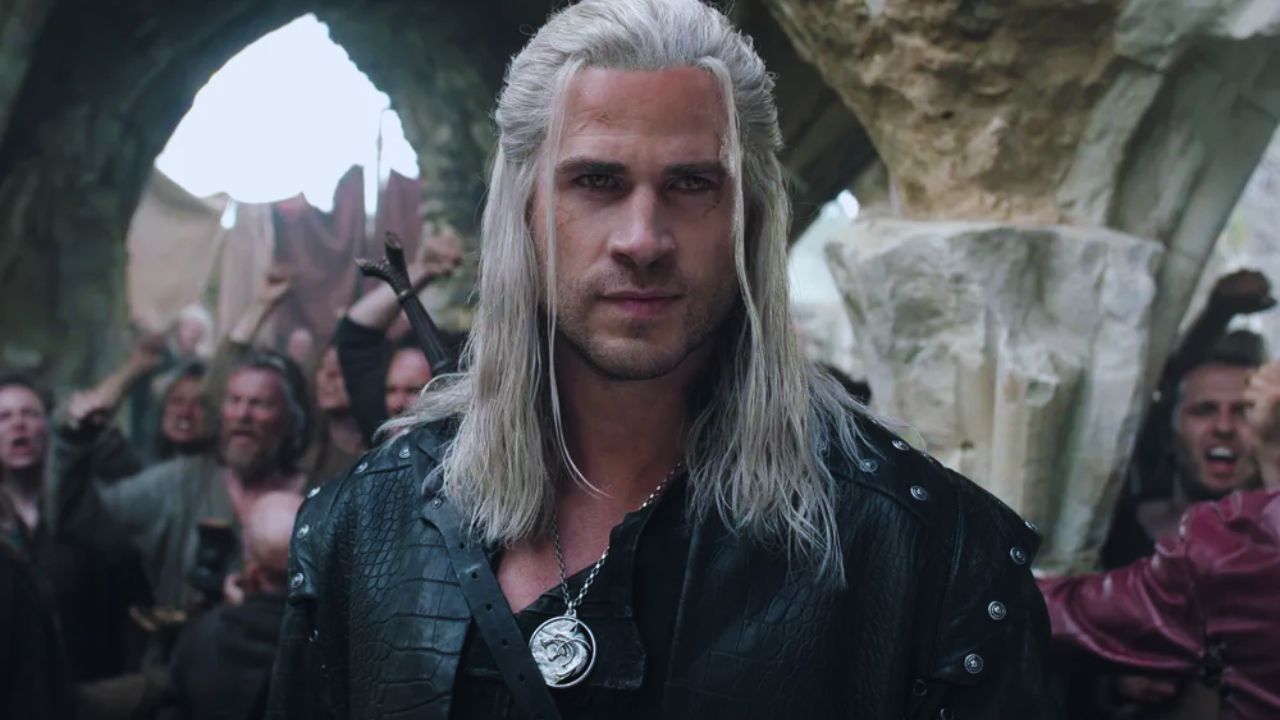
The Elven World Comes Before the Human Kingdoms
Before humans dominate the Continent, elves and dwarves have already shaped its cities, trade, warfare, and magic.

That past is not presented as peaceful, but later elven anger has a clear foundation. Loss of land, influence, and cultural memory remains visible in characters such as Francesca.
The series makes dispossession a present wound, not decorative lore. That historical memory helps explain why coexistence still feels painfully strained.
Blood Origin Shows the First Break in the World
The Witcher: Blood Origin takes place roughly 1,200 years before Geralt’s era, when elves live apart from humans and the monsters feared later. Court ambition, monolith experiments, and the Golden Empire’s expansion push magic too far.
Damaged barriers between worlds lead toward the Conjunction of the Spheres. The prequel shows power becoming permanent damage. It also links the first witcher experiment to a world already changing beyond recognition.
The Conjunction Creates the Continent Geralt Inherits
The Conjunction brings different worlds into contact and changes who lives on the Continent. Humans and monsters arrive, while older peoples face new borders, dangers, and competition.
The land never feels settled because its rules come from collision rather than agreement. Later wars, migrations, and monster contracts grow from that disruption and fight for survival. Nobody can pretend the old world survived intact after that collision.
Magic Becomes a Tool of Courts and Kingdoms
Chaos moves from mystery into institutions such as Aretuza and the Brotherhood. Mages advise rulers, influence succession, and become dangerous when their loyalties shift.
Yennefer gains skill and status, but faces pressure to serve plans larger than herself. Her story shows freedom and control arriving together. That pressure follows Yennefer into every court, friendship, and betrayal.
Witchers Are Needed, Then Feared
With monsters threatening roads and villages, witchers do work ordinary fighters cannot survive. Their training and mutations are brutal, and villagers often distrust them after asking for help.
Geralt is wanted during a crisis, then treated as unwanted afterward. He lives between necessity and fear, trusted only when nobody has a safer option. It explains why Geralt keeps his emotions guarded, even when he cares deeply.
Kaer Morhen Carries the Memory of a Dying Order
The sack of Kaer Morhen destroys much of the knowledge needed to make new witchers, leaving Vesemir and the wolf-school survivors without a secure future.
Ciri later finds shelter and discipline there, but the keep cannot guarantee safety. Its damaged walls make loss visible and protection fragile. For Geralt, it is home that remembers its own disappearance.
Also Read: House of the Dragon Character Guide: Who’s Who and Why They Matter
Geralt’s Reputation Makes Neutrality Impossible
Geralt tries to stay outside political battles, but “the Butcher of Blaviken” follows him because strangers want one simple story about a difficult choice.
His contracts force him to decide whose danger matters most. When Ciri enters his life, neutrality stops working. The Law of Surprise becomes responsibility with a face, and detachment carries consequences.
Geralt, Yennefer, and Ciri Meet Through Cintra’s Collapse
Season One begins with three separate paths: Geralt takes contracts, Yennefer rises through Aretuza, and Ciri grows up under Calanthe in Cintra.
Nilfgaard’s invasion kills Calanthe, scatters the court, and makes Geralt’s old Law of Surprise claim real. Destiny becomes choice when he treats Ciri as a person to protect, not a debt.
Ciri’s Elder Blood Makes Her a Target
Ciri is more than the surviving princess of a fallen kingdom. Her Elder Blood connects her to prophecy, elven history, portals, and powers other factions want to own.
Nilfgaard, mages, elves, and the Wild Hunt all have reasons to pursue her. Ask who protects Ciri’s wishes and who uses them; that reveals care versus possession.
Sodden and Kaer Morhen Change What Family Means
The Battle of Sodden Hill slows Nilfgaard but costs the mages dearly, while Yennefer’s survival cuts her off from the strength she relied on.
Kaer Morhen gives Ciri training rather than a permanent escape. Voleth Meir and Ciri’s link to monoliths show that danger can enter any refuge. Their family develops through sacrifice and uncertainty.
Three Anchors Keep the Middle of the Series Clear
When the lore becomes crowded, return to three turning points. They explain the core conflict without a family-tree chart:
- The Conjunction brings humans and monsters to the Continent.
- Cintra’s fall makes Ciri a hunted survivor.
- Kaer Morhen shows that shelter cannot remove her danger.
Thanedd Reveals Who Wants Ciri for Themselves
By Season Three, Geralt, Yennefer, and Ciri are trying to identify spies, stop Nilfgaard’s allies, and protect Ciri from people who call her destiny while planning to use her.
The conclave at Thanedd exposes division inside the Brotherhood and reveals Vilgefortz as an enemy. Its collapse makes trust dangerous and Ciri’s future urgent.
The Coup Leaves the Found Family Apart
Thanedd scatters the three people who have begun to choose one another as family. Geralt is badly injured, Ciri is pushed through a damaged monolith into the Korath Desert, and Yennefer confronts the wreckage among the mages.
Their loyalty becomes active, not sentimental: each keeps moving toward the others despite distance and misinformation.
Season Four Turns Separation Into a New Kind of Pursuit
After the coup, Ciri travels near Nilfgaard with the Rats and uses the name Falka. Geralt recovers and abandons any hope of neutrality, while Yennefer takes leadership among the damaged magical forces and searches for Ciri.
The timeline is no longer about an accidental meeting. It is about chosen family surviving distance and danger. Each journey now begins with the same goal: reach Ciri before her enemies do.
Conclusion: Watch What Each Era Leaves Behind
The best way to follow The Witcher is to watch consequences travel forward. Elven loss feeds present resentment, the Conjunction explains monsters and instability, Kaer Morhen explains Geralt’s isolation, and Cintra explains why Ciri cannot move unnoticed.
On a rewatch, track returning objects and promises: a monolith, the Law of Surprise, an Aretuza lesson, or a parent’s claim over a child. They turn the series from scattered lore into a story about power, memory, and people forced to carry history’s unfinished damage.