The Stranger Things ending reaches beyond its last monster fight and returns to the friends who made Hawkins matter: players learning to name fears before they understood them.
This recap follows the battle, Eleven’s uncertain fate, and the epilogues that show what survival costs. Its central idea is that loyalty and shared courage matter more than one hero’s power.
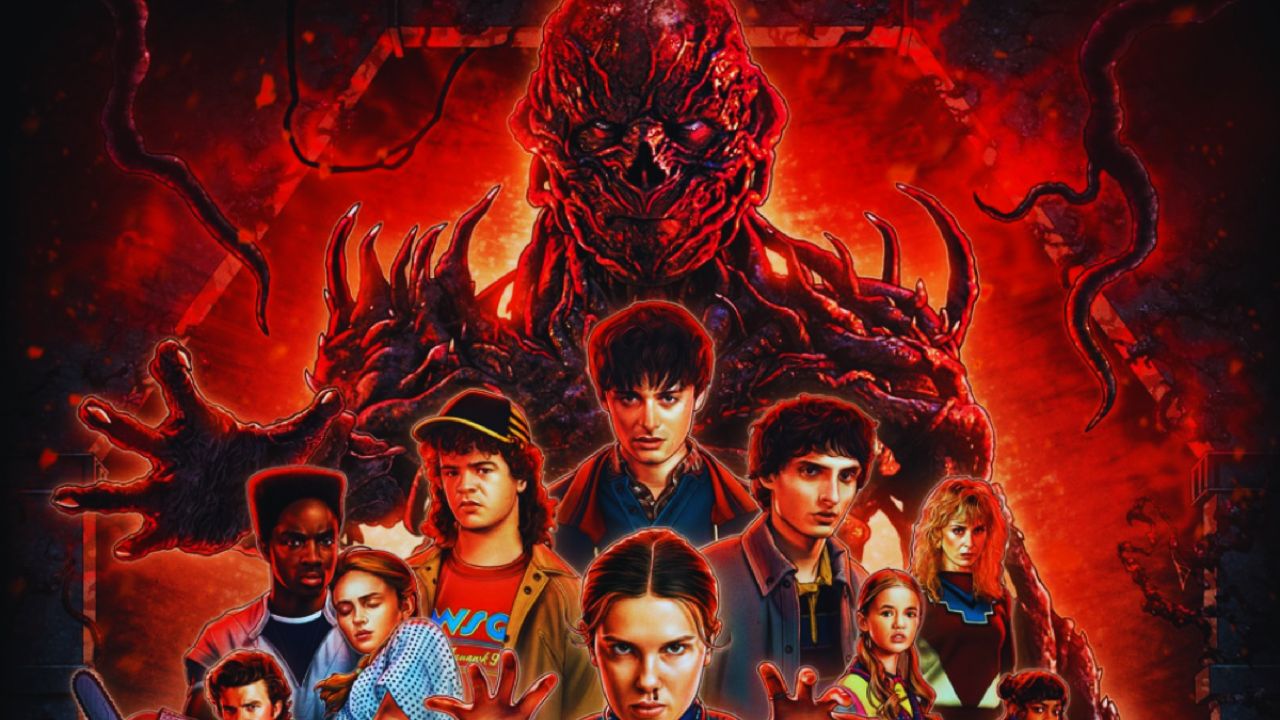
The Final Battle Follows a Dungeons & Dragons Campaign
The closing conflict divides danger among people with different jobs, limits, and reasons to panic. Psychic combat, sabotage, rescue work, and ground fighting must all land within one narrow window.
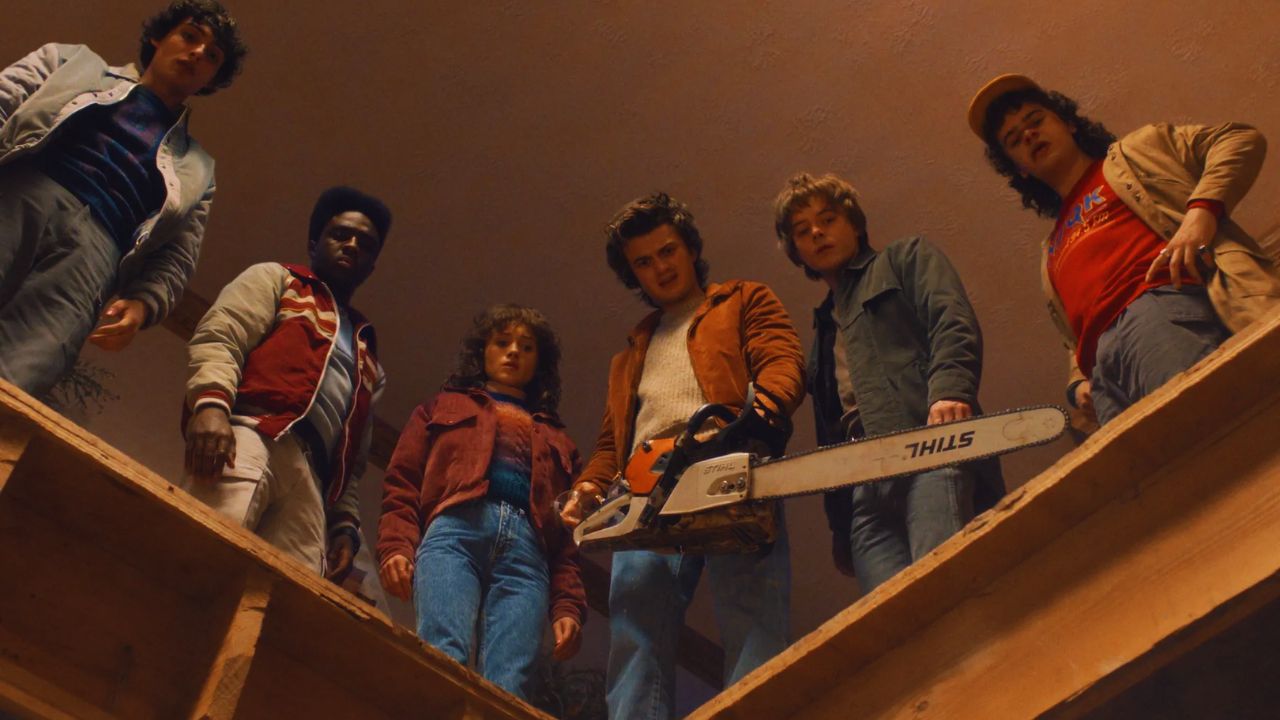
That design recalls the group’s earliest games: no player can finish a campaign alone, and one mistake affects everyone. The finale makes teamwork its source of strength, rather than rewarding a single gifted character.
Eleven, Kali, and Max Confront Henry Where Weapons Cannot Reach
Eleven, Kali, and Max face Henry in the psychic space where his control is strongest. Their work gives the other groups time before the merge between the Abyss and Earth can finish.
Eleven remains powerful, but the story refuses the fantasy that she can solve everything alone. Her struggle makes trust and connection as vital as psychic force.
The Hawkins Crew Uses What Earlier Seasons Taught Them
Nancy, Jonathan, Robin, Lucas, Dustin, Steve, and Mike survive by using skills built over earlier seasons.
Some know the town, some understand the enemy, and others keep friends focused when the plan fails.
Their coordination feels earned because the show has developed those ties for years. The fight tests memory and cooperation, not merely brute force.
Vecna Is Defeated Because He Chooses Cruelty
The finale gives Henry a past without allowing it to excuse him. Will recognizes that the Mind Flayer influenced Henry, much as it once tried to use Will, but Henry insists his beliefs are his own.
That refusal matters. His defeat becomes a question of responsibility and choice, not simply possession by a greater evil.
Will Creates the Opening That Joyce Uses
Will breaks Henry’s concentration, creating the space Eleven and the others need. Joyce delivers the final physical blow with the determination that made her the first adult to believe Hawkins was hiding something.
Her action completes a long pattern: she never accepts easy explanations. The scene joins persistence and decisive action.
The Mind Flayer Is More Than a Monster
The Abyss and the Pain Tree make the Mind Flayer larger than a creature waiting to be defeated. It feeds on fear, spreads through vulnerable places, and turns damaged people into tools.
Henry’s contact with its particles gives his past context, but does not move blame from him. Darkness exploits wounds and weakness, yet cannot erase accountability.
A Timed Bomb Gives Every Group One Narrow Window
Hopper and Murray set a bomb inside the Upside Down while “Purple Rain” gives the sequence an uneasy rhythm.
The plan is practical: destroy the breach after the creatures fall, then escape before the tunnels collapse.
The timer makes every second matter. It requires commitment and trust, since every group must believe the others are doing their part.
Closing the Gateway Stops Hawkins From Repeating the Same War
As the tunnels fail, spores vanish and the bridges between worlds fold in on themselves. This does not erase the deaths, trauma, or broken homes left behind in Hawkins.
It does something more limited but meaningful: it closes the route that allowed danger to return again and again. The series finally ends its escalation by sealing the breach and breaking the cycle that fed it.
Eleven’s Choice Leaves Hope Beside Grief
When the countdown begins, Eleven stays behind while the others run. Her survival is left uncertain, while Mike’s later game retelling leaves room for Kali’s possible illusion.
The ambiguity works because it grows from grief, not empty sequel bait. Viewers are asked to hold loss and hope together.
Also Read: The Witcher Full Timeline Explained: Events in Chronological Order
Mike Gives the Group a Story They Can Carry
Mike’s role changes in the final stretch because he gives the group’s experience a shape they can live with.
His Dungeons & Dragons retelling does not make danger harmless or erase what was lost. It turns chaos into a shared language, much like the basement games did before the supernatural world arrived.
Storytelling becomes an act of care and remembrance when goodbye is too hard to say plainly.
The Epilogues Let Each Character Grow Differently
The final episodes do not force everyone into the same future. Max and Lucas are given room to build something gentler, Dustin keeps adventure close, and Will reaches toward a life where acceptance is more possible.
Their endings are uneven, and that makes them more believable. Growing up leaves distance alongside possibility.
The Older Teens Move Forward Without Neat Romantic Answers
Robin looks toward college, Nancy chooses journalism, Jonathan follows film, and Steve stays rooted in Hawkins while mentoring younger kids.
Their paths do not resolve every romantic question, and that restraint helps. Friendship survives change without everyone being frozen at the same age. Their separation treats maturity as growth, not betrayal.
Hopper and Joyce Finally Plan Something Ordinary
After years of emergencies, Hopper and Joyce can imagine a date, a proposal, and a possible move.
These gestures are small beside the final battle, but that is why they matter. Ordinary plans have been rare for them. Their ending presents stability as something rebuilt slowly through repair.
The Last Game Table Closes the Circle
Returning to the game table is the finale’s clearest emotional choice. Younger players inherit the dice, rules, and freedom to imagine danger without living through it.
For the older group, the handoff is bittersweet: childhood is ending, not being dismissed. The scene respects imagination and change, showing that people can leave a world without losing its lessons.
Three final details sharpen the goodbye:
- Victory needs many people, not one savior.
- Eleven’s fate keeps hope beside grief.
- The game table makes farewell feel like continuity.
Conclusion: The People Who Stay Give the Ending Its Weight
The Stranger Things ending works because spectacle never replaces the people inside it. Monsters fall because friends coordinate, families recover because someone keeps believing, and the farewell lands because the group remembers what first connected them.
On a rewatch, notice who listens, waits, and stays when leaving would be easier. Friendship makes fear survivable, while love gives a damaged world a reason to continue.
It also reminds viewers that survival does not restore the past; it gives people a chance to carry it forward with greater honesty, patience, care, and room for one another again.