Dark starts with a missing child in Winden, but it is about grief, family inheritance, and the damage caused when people refuse to accept loss.
This Dark complete story recap connects the caves, family lines, parallel worlds, and finale without becoming a chart.
Dates matter, but the emotional pattern matters most: one father’s despair fractures reality, and two worlds repeat the pain he could not bear.
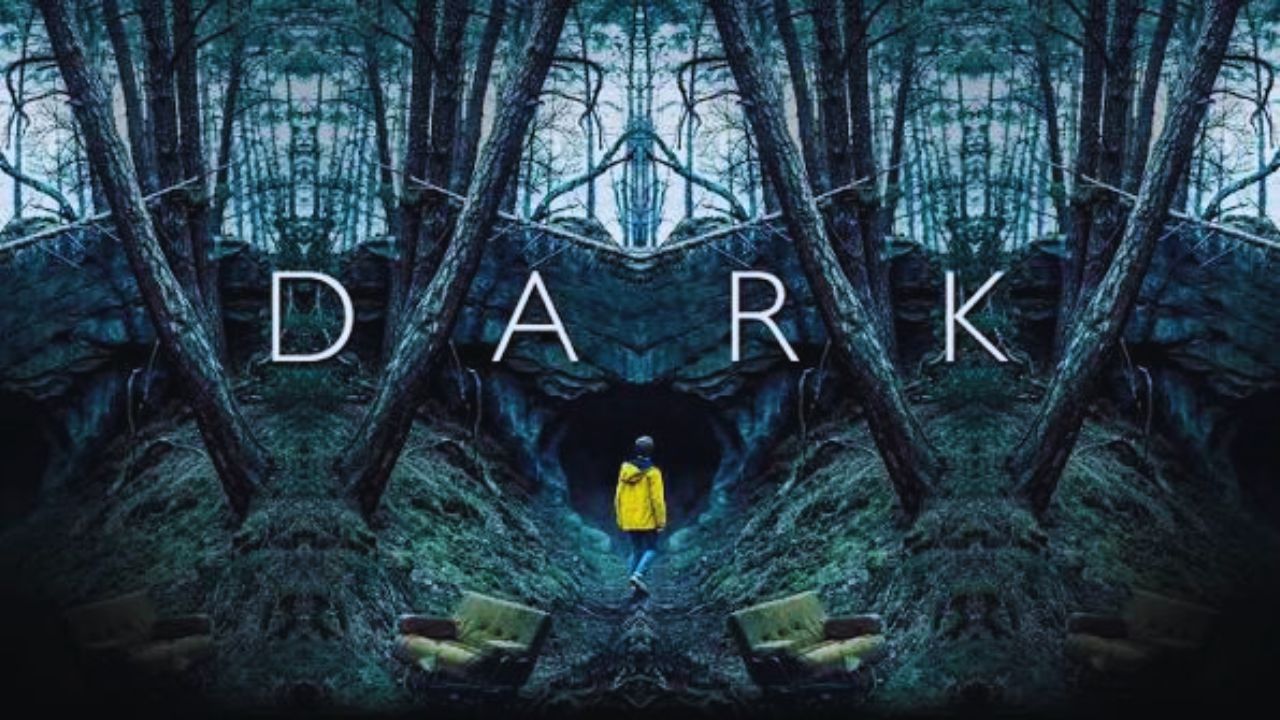
The Caves Make Winden’s First Mystery Much Bigger
Mikkel Nielsen disappears near the Winden caves in 2019, and his family initially suspects a crime. The passage reveals a stranger truth: it links years thirty-three years apart, including 1953, 1986, and 2019.
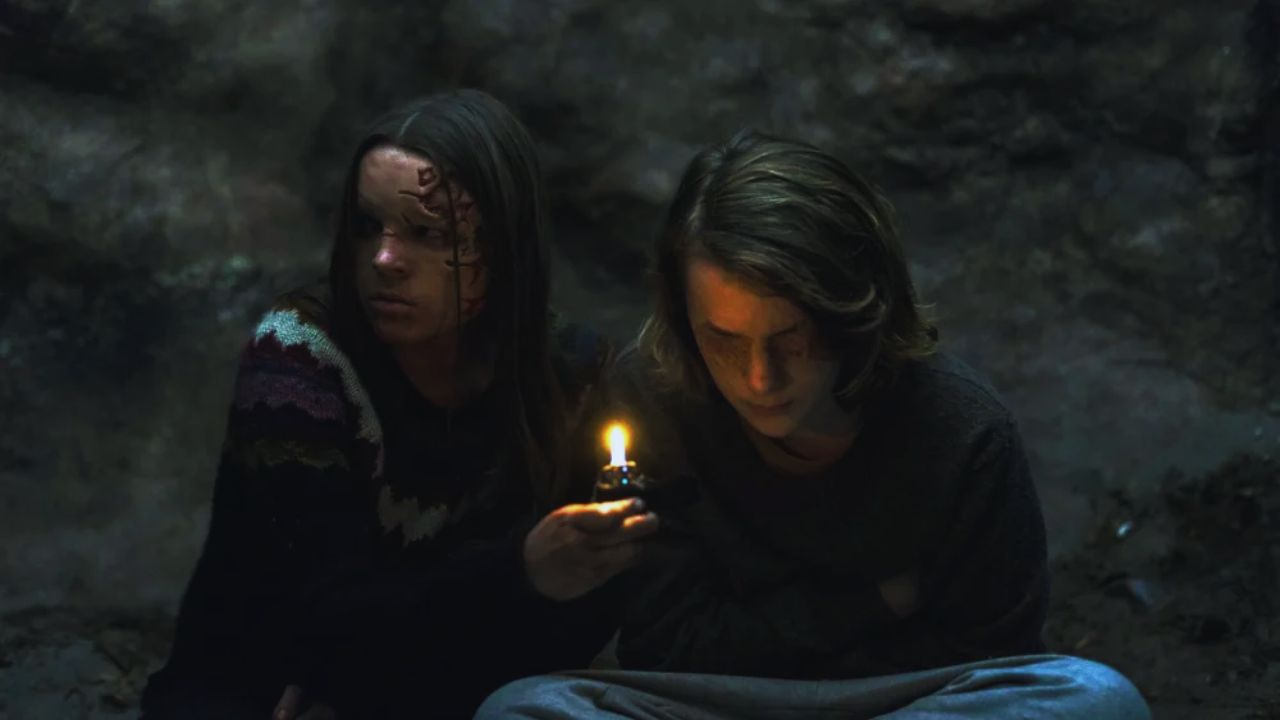
Travelers do not merely visit another era; their choices create the events they seek to understand. The caves become a physical doorway and family wound, pulling loss into a town-wide loop.
Mikkel’s Life Creates the First Major Paradox
Mikkel is sent to 1986, grows up as Michael Kahnwald, and becomes Jonas’s father. His disappearance creates a family paradox: Jonas exists because Mikkel never returns, and later helps preserve that chain.
This hurts because it is not abstract logic; it is a child separated from his parents and forced into another life. On a rewatch, Mikkel’s scenes carry a sharper sadness and inevitability.
The Family Tree Matters More Than a Perfect Timeline
At first, Dark can feel like a test of dates; following relationships is more useful. The Kahnwalds, Nielsens, Tiedemanns, and Dopplers cross paths because the knot turns private choices into shared consequences.
Parents hide facts, children inherit damage, and each generation corrects older mistakes. That pressure makes the timeline tragic: someone always pays for another person’s decision.
Adam and Eva Defend Opposite Answers to the Same Pain
Jonas becomes Adam after failed attempts to change the cycle; Martha becomes central to Eva’s plan to protect it.
Adam sees the knot’s people as proof that the system must end, even if lives disappear. Eva chooses the opposite path because the knot gives her son, the Unknown, a life. Their conflict is release versus continuation, shaped by love and fear, not heroes and villains.
Claudia Looks Beyond the Fight Between Adam and Eva
Claudia Tiedemann matters because she refuses to treat Adam’s destruction and Eva’s preservation as the only choices.
She studies both worlds and recognizes that every plan inside the knot merely rearranges the same pain.
Her breakthrough comes from looking for the original fracture instead of another move in a familiar cycle. Once she searches outside the mirrored realities, she finds the cause neither Adam nor Eva has fully understood.
Tannhaus’s Loss Creates the Origin of Both Worlds
In the Origin World, H. G. Tannhaus loses his son Marek, Marek’s wife Sonja, and their baby Charlotte in a 1971 crash.
Unable to live with that grief, he builds a machine years later to undo it. Instead, the experiment creates Adam’s World and Eva’s World.
The knot begins with mourning and impossible hope, which is why the ending must address a human loss rather than simply defeat a villain.
Why the Knot Cannot Be Fixed From Inside
Many objects in Dark have no clear beginning. A notebook, machine, or piece of information travels back from the future, then becomes the thing that enables that future to happen.
Some family lines work the same way, with descendants helping create their own origins.
These bootstrap paradoxes explain why a single change rarely produces freedom: the loop uses every attempted correction as another tool for survival. The knot feeds on people trying to control time and repair the past.
Three Anchors Make the Final Episodes Easier to Follow
Before the finale, remember three clear patterns. The caves make time a wound, the family tree turns loss into inherited damage, and the apocalypse creates a short opening where normal cause and effect no longer fully apply.
Those ideas explain why Jonas and Martha cannot fix everything by changing one day in their own worlds.
- The caves connect separate years but deepen the same loss.
- Adam and Eva protect opposite responses to the knot.
- Claudia finds the cause beyond both broken worlds.
Jonas and Martha Leave the System Instead of Winning It
Jonas and Martha do not defeat the knot by finding a smarter move within it. During the brief pause around the apocalypse, they reach the Origin World and meet Marek before the crash.
Their task is simple: persuade him to return safely to Tannhaus. That choice shifts the finale from cosmic mechanics to ordinary compassion, revealing that the disaster began with one family driving away on a dangerous night.
Also Read: Stranger Things Ending Explained: What the Final Episode Actually Means
Saving Marek Removes the Reason for the Split
When Marek, Sonja, and their baby survive, Tannhaus never experiences the loss that drives him to build his machine.
Without the experiment, Adam’s World and Eva’s World are never created. Jonas and Martha do not repair every death inside the knot; they remove the cause that made those impossible lives necessary.
The ending does not promise perfect repair; it shows that some damage ends only when people stop forcing reality to return what is gone.
The Disappearance Is Sad, but It Is Also a Release
As the broken worlds fade, Jonas, Martha, and others born through the knot disappear. The series does not call them unreal or disposable; their love, fear, and suffering mattered inside the worlds that formed them.
Yet their disappearance ends a system that required them to relive someone else’s trauma. The scene holds sadness beside freedom, making it moving without pretending that release is painless.
The Final Dinner Shows an Ordinary Peace
The restored Winden is quieter than the rest of the finale. Regina, Peter, Bernadette, Hannah, and Wöller share dinner in a reality without impossible bloodlines or recurring catastrophes.
The scene does not rebuild every missing character in a happier form, which keeps the resolution from feeling too neat.
It offers ordinary peace instead of a grand reward, suggesting that life without the knot matters because it is finally allowed to be simple.
Conclusion: Dark Chooses Letting Go Over Control
The ending of Dark works best as a story about what grief becomes when people try to master it. Tannhaus wants to reverse death, Adam wants to erase pain, and Eva wants to preserve love at any cost.
Jonas and Martha choose another path: they let the world that created them end so someone else can live without the loop. That choice makes the series tragic and peaceful. Winden is saved not by conquering time, but by refusing to turn loss into an endless machine.