Understanding how a movie’s structure works can completely change the way you watch films. If you’ve ever asked why some stories flow so well, or how endings can shock or satisfy us, it likely comes down to the structure hiding just below the surface. This article is for movie enthusiasts, binge-watchers, and curious viewers who want to unlock the mechanics behind their favorite films. By reading on, you’ll see stories in a whole new light—and perhaps enjoy movies just a bit more.
Why Movie Structure Matters in Modern Storytelling
The structure of a movie shapes how audiences experience the story. While it can seem invisible, it’s often what keeps us glued to the screen or leaves us thinking about a film days later. Movie structure determines plot pace, character development, and emotional impact. Even casual viewers benefit from understanding this; you’ll spot patterns, predict twists, or simply enjoy the ride more.
The Classic Three-Act Structure Explained
Most mainstream movies, especially blockbusters, follow what’s called the three-act structure . This doesn’t mean every film has to, but it’s the most familiar shape for a reason. Let’s break it down:
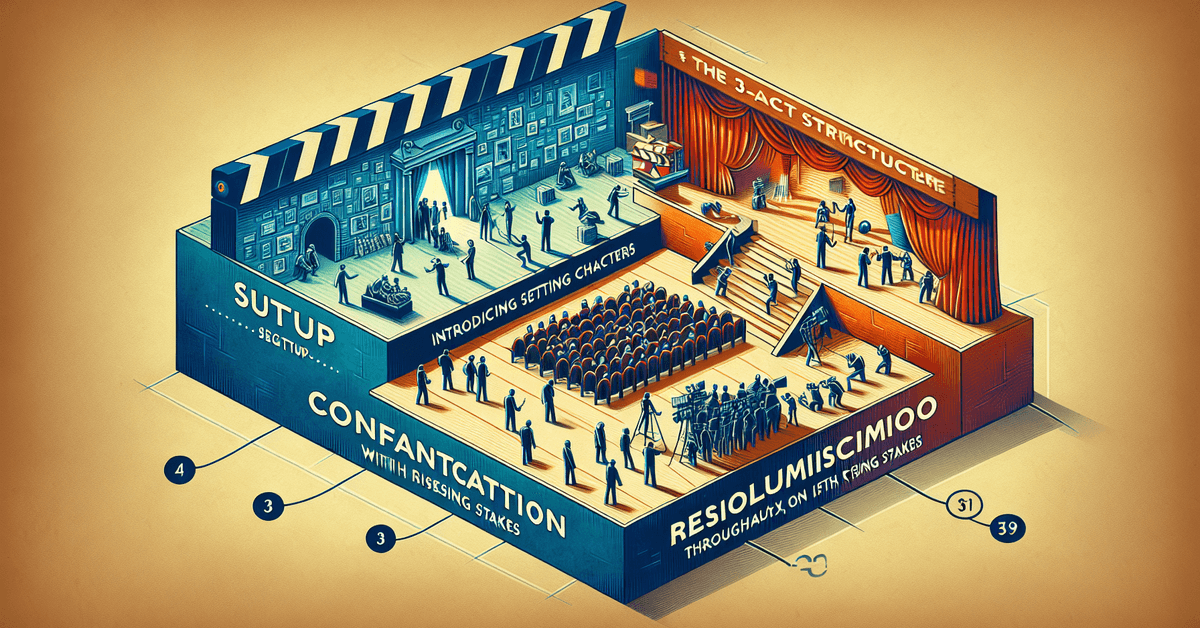
Act One: The Setup
Here, the world, main characters, and central problem are introduced. By the end of Act One, there’s usually a major event—the inciting incident —that changes everything. Think of it as the push that starts the adventure.
Act Two: The Confrontation
This is where most of the action happens. The protagonist faces obstacles, forms alliances, maybe makes mistakes. The second act can sometimes feel slow if not done right, but at its best, it keeps raising the stakes.
Act Three: The Resolution
Now comes the climax and the fallout—the story’s final test, followed by emotional closure. The pace quickens. Most plotlines tie up here, though some films leave certain questions unresolved to provoke thought or set up sequels.
Popular Variations on Movie Structure
But not every movie sticks to the classic formula. Filmmakers often bend or break the rules to create something memorable. Let’s look at a few common variations:
The Hero’s Journey
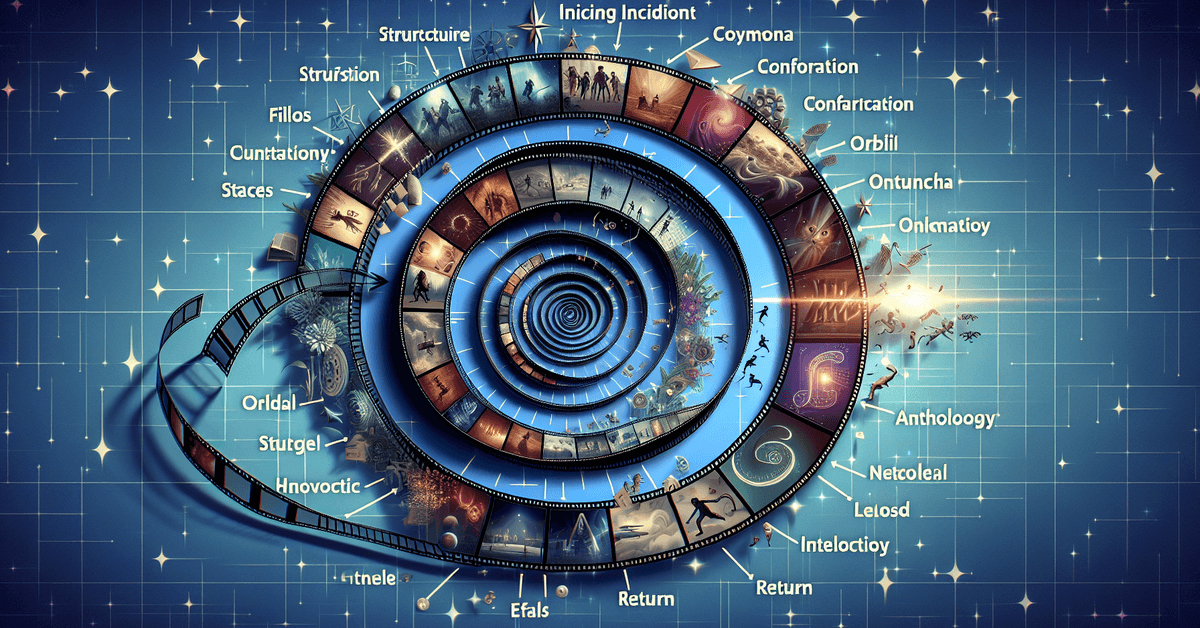
Inspired by Joseph Campbell, this is essentially a roadmap for epic adventures, especially seen in fantasy and sci-fi. Here’s a rough outline:
- Ordinary world: Meet the hero in their usual environment
- Call to adventure: Something challenges their world
- Trials and allies: Tests, friendships, maybe some enemies
- Ordeal/climax: The greatest challenge
- Return: Hero comes home changed
Films like “Star Wars” and “The Lord of the Rings” follow this almost religiously, but you’ll spot it in dramas and comedies too.
Nonlinear Narratives
Some movies, like “Pulp Fiction” or “Memento,” play with time—jumping back and forth between scenes. This technique keeps audiences guessing and often makes for memorable re-watches. While nonlinear structures can be confusing at first, they reward close attention.
Anthology and Multiple Plotlines
Films such as “Love Actually” or “Crash” weave together separate stories that intersect. Sometimes, these separate arcs support a central theme more than a central plot. The effect can be both sprawling and intimate—admittedly, not everyone’s cup of tea.
How Structure Shapes Character & Tone
Movie structure isn’t just about what happens; it’s also about who changes, when, and how. Structure determines when we connect with characters—whether during their struggles or their moments of triumph. In thrillers, quick scene changes build suspense. In coming-of-age films, longer arcs foster empathy. That’s why it’s so crucial to understand the bones of the story.
Recognizing Structure in Your Favorite Films
| Movie Title | Structure Used | Key Moment |
|---|---|---|
| Avengers: Endgame | Three-Act | Time Heist (Inciting) |
| Star Wars: A New Hope | Hero’s Journey | Leaving Tatooine |
| Pulp Fiction | Nonlinear | Out-of-order storytelling |
| Love Actually | Anthology | Intersecting romances |
Try mapping out your favorite movie using these labels. It’s surprisingly revealing. Are there films that seem to mix more than one type? Absolutely. While “Avengers: Endgame” is a classic three-act, it still borrows hero’s journey beats too. Realistically, most films aren’t pure examples.
Chronological Order vs. Narrative Order
This is where things get interesting for true movie buffs. Some films unfold strictly by chronological order , while others obey narrative logic. In “The Godfather Part II,” for example, the two timelines are intercut for maximum emotional impact—not in the sequence they unfolded in real time. Streaming guides often include recommended viewing orders for just this reason!
Unlocking Clues from Summaries and Endings
Want to get more out of your viewing? Summaries and ending explanations often reveal key structural decisions. Why was that shocking twist at the end of “Shutter Island” so effective? Because the whole movie’s structure built up ambiguity and tension from the start.
Tips for Spotting and Understanding Movie Structure
- Pause at major events (deaths, revelations, new alliances)—are they turning points?
- Does the pace change after these moments?
- Pay attention to scene order—are flashbacks or shifting perspectives present?
- Check if character arcs finish before, at, or after the story’s main climax.
You might find that, over time, you’re predicting twists or better able to appreciate artistic risks. I find it sometimes takes a second watch to really notice these patterns. Not every film rewards this, but those that do are often the ones we call classics.
How Streaming Platforms and Series Adapt Movie Structure
Streaming giants like Netflix and Disney+ have changed how and when we encounter movie structures. Original movies sometimes adopt serial forms—essentially creating long-form arcs more common to television. As a result, you’ll see structural experimentation everywhere. Anthology films or projects split into chapters (“The Ballad of Buster Scruggs”) mesh episodic style with classic movie frameworks.
Where to Find More In-Depth Movie Guides
If you want a deeper dive, our chronological order guides and ending explanations cover hundreds of popular titles. There’s a lot to learn from seeing how structure underpins different genres, from horror to comedy to drama. For official breakdowns, resources like the IMDb plot summaries can also be helpful.
Conclusion: Start Watching with an Eye for Structure
Understanding how a movie’s structure works is almost like learning a new language. The more you watch, the more you notice the signals. Next time you stream a film, look for the shape beneath the story—the beats, the turning points, and the way endings reflect beginnings. Want more secrets? Check out our latest main-plot breakdowns or subscribe for weekly watch guides. Unlock the true mechanics behind everything you watch!