Movies hit differently once you know what’s happening beneath the surface. Something nags at you about a film but you can’t name it. Story structure is almost always the answer.
Structure is the invisible architecture behind every film you’ve loved or abandoned halfway through. It controls pacing, emotional payoff, and the exact moment a plot twist lands or completely collapses.
Most viewers sense it without naming it. That restless feeling in the middle of a bloated sequel? Structure breaking down. The rush when everything clicks in a final act? Structure working exactly as intended.
Knowing how films are built doesn’t make them feel mechanical. It makes them feel more deliberate. And rewatching becomes a completely different experience.
The Three-Act Structure Is Everywhere, and That’s the Problem
The three-act structure is the first thing taught in every screenwriting class and YouTube explainer on storytelling. Act One sets up the world. Act Two builds the conflict. Act Three delivers the resolution.
My take: the three-act structure is the wrong entry point for most movie lovers, because the framework applies equally to every story told across streaming platforms, short films, and kindergarten picture books.
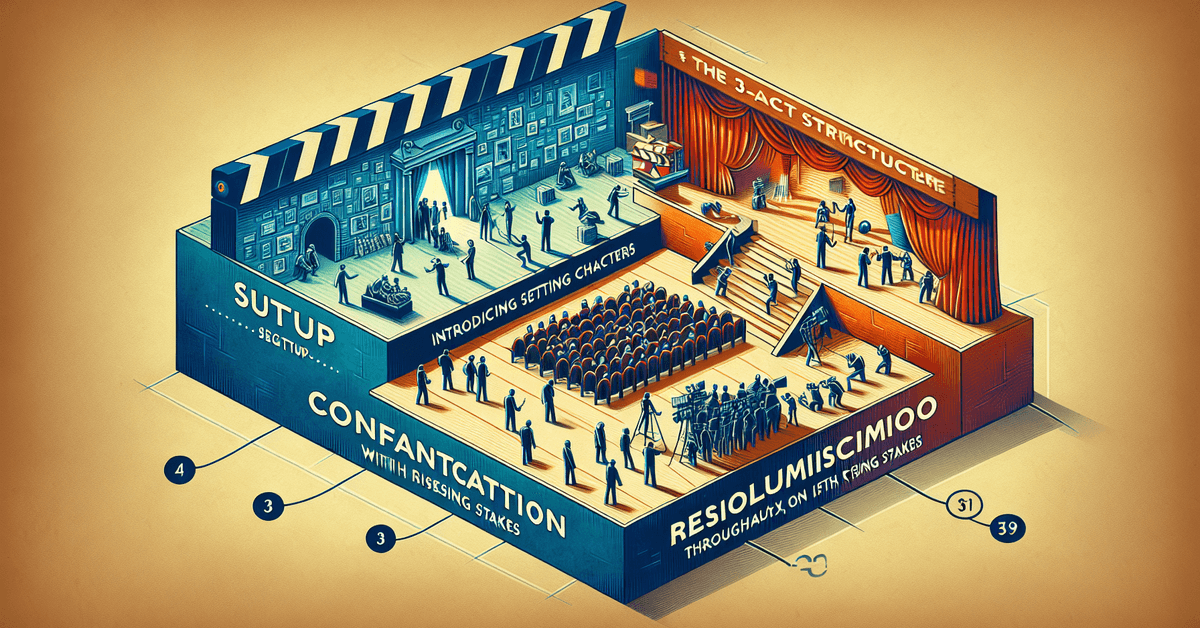
That universality makes it a poor diagnostic tool for understanding why specific films feel different from each other.
What three-act structure does give you is a map for pacing. Act One should end with a turning point that genuinely destabilizes the setup. If it doesn’t, the rest of the film has nothing to build on.
What Each Act Is Actually Doing
Think of Act One as a contract between the film and the viewer. The film tells you what kind of experience you’re signing up for and what core question will drive the next two hours.
Act Two is where that contract gets tested. Characters face obstacles, adapt, sometimes fail in ways that feel permanent. The midpoint of Act Two is often where the most important scene lives: the moment a character can no longer go back to who they were.
Act Three doesn’t just resolve things. It answers the core question from Act One. When Act Three feels unsatisfying, it’s almost always because it answered a different question than the one the film established at the start.
Why Act Two Is Where Films Win or Lose
Films that feel bloated usually lose their audience in Act Two. There’s a specific reason: filmmakers often fill Act Two with obstacles instead of change.
Obstacles are things that happen to a character. Change is what happens inside them. A protagonist who faces twenty problems in Act Two but arrives at Act Three essentially unchanged makes for a frustrating watch, even if you can’t articulate why.
The difference between a film you forget by the drive home and one you think about for days often comes down to whether Act Two actually transformed someone.
The Hero’s Journey Gives You More to Work With
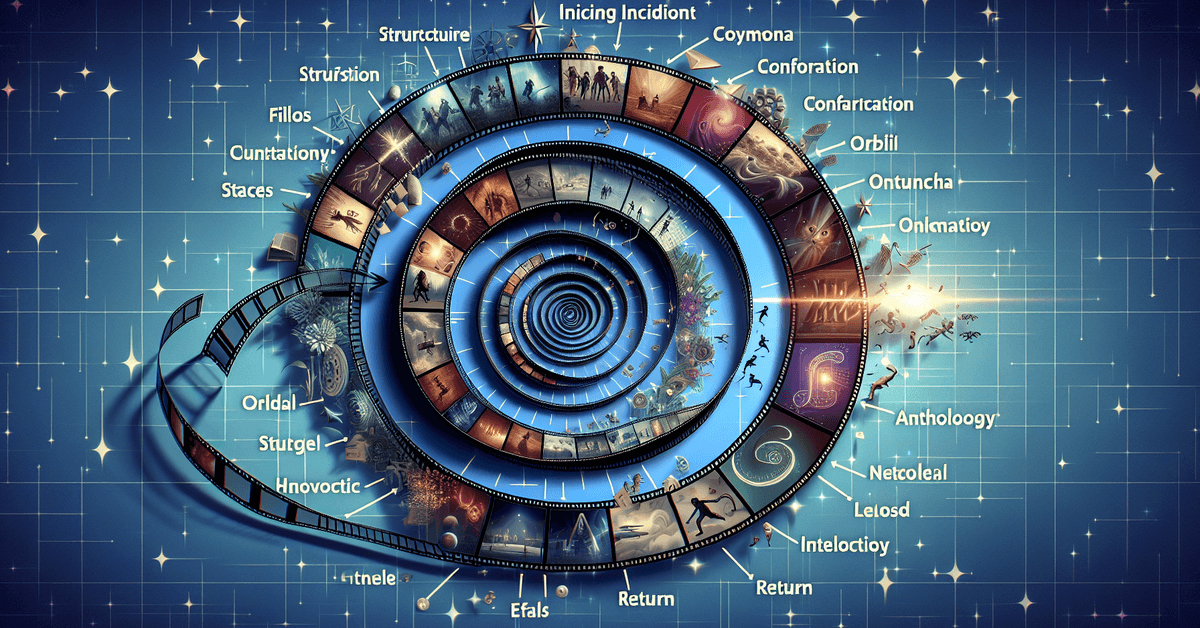
The Hero’s Journey is a more practically useful framework than the three-act structure for casual movie lovers. The reason is specificity.
Three-act structure gives you three broad buckets. The Hero’s Journey gives you named beats:
- The call to adventure: something disrupts the ordinary world
- The refusal of the call: initial resistance before full commitment
- The mentor figure: guidance that arrives before the major challenge
- The ordeal: the central crisis that forces real transformation
- The road back: the character consciously choosing to return
- The return with the elixir: arriving home changed, carrying something new
When one of those beats is missing or rushed, you feel it. Even without the vocabulary, audiences register the jarring sensation of a hero entering a major challenge without preparation or internal conflict.
Also read: Three Mindbending Films Finally Explained: Black Swan, The Machinist, and Jacob’s Ladder
Why This Pattern Shows Up Across Every Genre
The Hero’s Journey works across action films, romantic comedies, horror, and literary adaptations because the emotional logic is human, not genre-specific. The structure maps onto how change actually feels from the inside.
A character leaves their familiar world. Trials force adaptation. They return differently. That’s not a Hollywood formula. It’s the shape of how growth works.
What makes individual films interesting is how they distort or subvert that shape. A film where the hero refuses to return. A story where the mentor figure turns out to be the central obstacle. Knowing the template is what lets you recognize the deviation.
Nonlinear Storytelling Rewards a Second Watch
Most guides treat nonlinear films as more challenging to follow. The opposite tends to hold on rewatch.
Nonlinear narratives are easier to appreciate the second time through precisely because the structure becomes legible rather than disorienting. Once you know the destination, the deliberate rearrangement of time reveals itself as a series of careful emotional choices.
Films that scatter their timeline aren’t doing it for style alone. They’re rearranging events to strengthen emotional impact over chronological logic.
A scene lands harder when you already know its consequence. A character’s choice hits differently when you’ve already witnessed where it leads.
What Rearranging Time Does to Your Emotional Response
Memory doesn’t work chronologically. Emotional associations do. Nonlinear storytelling exploits that gap.
A film that shows you a later scene first primes your emotional response to everything that comes before.
Earlier events carry the weight of what you already know. That creates a specific kind of dread or tenderness that chronological structure simply cannot produce.
The best nonlinear films aren’t rearranging time to seem clever. They’re rearranging it because the story requires you to feel certain things in an order that doesn’t match the calendar.
How Pacing Works as a Structural Tool
Slow films aren’t slow because directors ran out of ideas. Fast films aren’t fast because speed equals excitement. Pacing is a deliberate structural decision that shapes how you emotionally connect to what’s happening on screen.
Faster pacing creates urgency and suspense. Slower development allows deeper emotional connection. Films that misjudge pacing usually misread what their audience needs emotionally at a specific structural moment.
Signs that pacing is serving the structure well:
- Tension scenes cut quickly, giving characters little room to breathe
- Grief and aftermath scenes hold still, giving emotion space to register
- Act Two obstacles arrive before the characters fully process the last one
- The climax doesn’t pause for unnecessary exposition
Multiple storylines work similarly. Each separate plotline functions like a different instrument in an arrangement, resonating thematically against the others.
When they converge near the climax, the payoff multiplies because you’ve been tracking more than one arc the entire time.
Streaming Changed What Structure Is Allowed to Do
Streaming platforms expanded what filmmakers can attempt structurally. The line between film and series blurred, with longer formats allowing character arcs that would never resolve within a two-hour window.
According to No Film School’s analysis of how streaming reshaped narrative formats, emotional payoffs are now distributed differently, stretched across episodes rather than compressed into a traditional third act.
But even in expanded formats, the core logic holds. A streaming film that loses its central question by the midpoint has the same structural problem a theatrical film has when Act Two loses momentum. The canvas is bigger. The principles aren’t.
Questions People Ask About Movie Structure
Q: Do all good films follow the three-act structure? Most do, but in such broad terms that the label applies to nearly every story ever told. What separates good films is how they use the structure within each act. The interesting diagnostic question is always what’s happening inside the acts, not whether they technically exist.
Q: Why do some plot twists feel earned and others feel cheap? Earned twists are structurally planted. The film laid groundwork for them in Act One and Act Two without announcing it. Cheap twists contradict established character logic or introduce information the film withheld unfairly. The test: does the rewatch make the setup visible? If yes, the twist was earned.
Q: Can a film work without a clear climax? Some films resist a traditional climax in favor of accumulation, where emotional weight builds without a single peak moment. This works when the film establishes a clear emotional question early and honors it throughout. Without that foundation, the absence of a climax reads as unresolved rather than intentional.
Q: How do I start noticing structure while watching? Track the turning points. Notice when the tone or direction shifts significantly. Ask when a character’s situation changes in a way they can’t reverse. Those inflection points are structural joints, and once you feel them, the architecture of any film becomes readable.
Q: Does knowing about structure make films less enjoyable? Most people find the opposite. Structural awareness makes you an active viewer rather than a passive one. Surprises still land, emotion still hits, but there’s a second layer of engagement running underneath: watching how the film builds what it builds. That’s having two experiences at once.
Conclusion
Story structure is why certain films stay with you for weeks while others vanish by the drive home. Every emotional reaction you’ve had in a dark theater was shaped by deliberate choices made long before cameras rolled.
Knowing the architecture won’t strip away the magic, because structure is what makes great filmmaking feel intentional rather than lucky. Start tracking turning points, and the films you thought you knew will genuinely surprise you all over again.