In a second viewing, Details Hidden in Severance start jumping out immediately. The show’s language of props, wardrobe, file names, and sound design keeps feeding new context once the broad plot beats feel familiar.
Expect sharper connections across Lumon Industries rituals, character habits, and offhand clues that silently forecast season two moves. Careful rewatching turns background texture into evidence. Fans looking for a clean, human guide to the small stuff get a practical walkthrough here.
Focus sits on specific objects, scene pairings, and production choices that alter how events read once the truth lands. Expect light theory only where the text strongly points that way, plus clear definitions so newcomers can follow without confusion.
Key Terms at a Glance
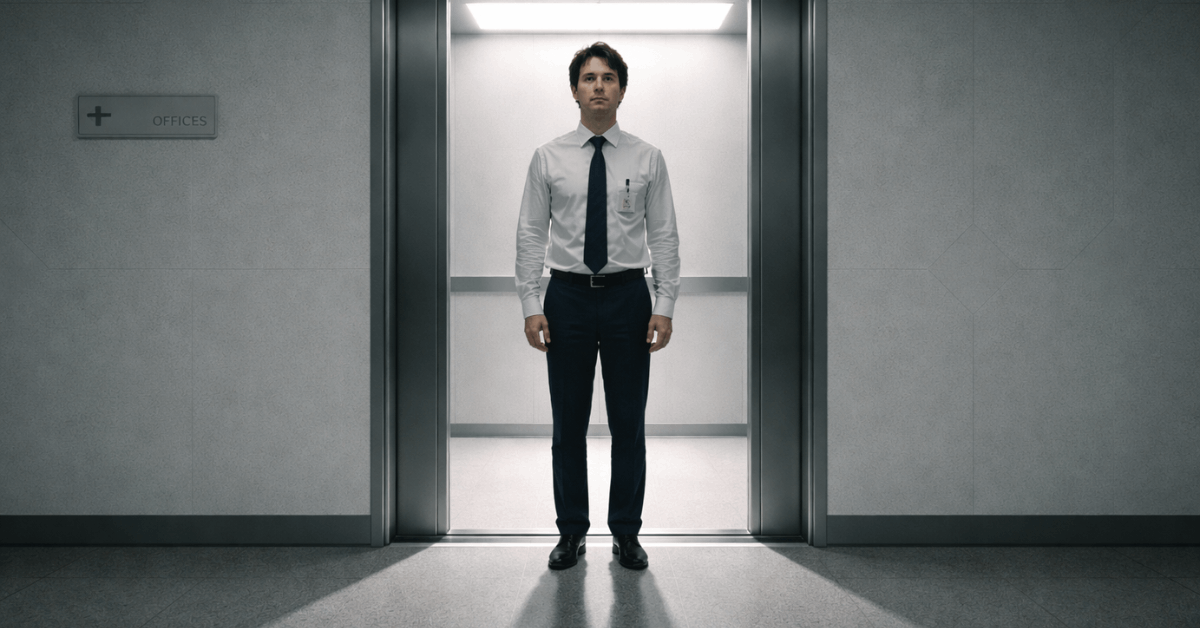
Severance splits a person’s consciousness into two states that cannot share memories. The office self is an “innie,” active only inside the severed floor. The home self is an “outie,” active outside company control. A security “threshold” swaps states at elevators that connect the two worlds, which creates the show’s controlled amnesia effect.
Top Details Hidden In Severance
Short context helps frame the subheads below. Each item focuses on an on-screen detail that reads one way on first pass and another on rewatch, once outie identities, Lumon policies, or season two scenes refract earlier clues. Treat these as observable patterns, not wild guesses.
Radar
Irving’s wellness session drops “Radar” as an outie preference, which seems meaningless at first. Later episodes confirm the dog named Radar, turning that throwaway line into validation that wellness scripts pull from real outie data.
Military cadence across Irving’s innie life strengthens the naval reading, although a nod to the long-running series M*A*S*H remains plausible as layered wordplay.
The SVR’D Threshold
Helly’s failed “exit” plays like an endless trap, then resolves once the threshold mechanics click. Her outie consents to remain employed, so each step back through the door resets the present-tense innie and wipes the memory of stepping outside.
That loop sells psychological imprisonment without needing sci-fi teleportation, a neat example of the show using policy to create horror.
Irving B.’s Peculiarities
Salutes, exact posture, and 24-hour time format hint at service experience before the outie reveal. Wet black hallucinations and paint under the nails look strange until the paintings of the Testing Floor corridor appear in his apartment.
That echo implies bleed-through at the level of fixation, not memory, giving rewatchers a practical lens for other “impossible” innie sensations.
The Wristwatches
Elevator sensors require minimalist watches and numberless clocks on the severed floor, which blocks accidental text transfer. Mark’s switch back to a Vostok Komandirskie 341307 when off duty adds a pointed biographical beat.
A Russian literature link through Gemma fits cleanly, since gifts often track disciplines or places a partner cares about, and the model’s rugged design fits the show’s military-adjacent motifs.
It’s Always Winter
Exterior scenes lean winter, snow, and slate skies across the timeline shown so far. Photos of Gemma in warmer months establish seasonal variance outside the current narrative window.
A grief reading lands cleanly on rewatch, since Mark’s plotline maps to stagnation and frozen routines, while production keeps the palette cold to match the characters’ suspended autonomy.
Gabby Arteta Is Severed
Devon’s lodge acquaintance speaks about “help” during a third pregnancy, then fails to recognize her after delivery.
The simplest reading points to severance applied to childbirth, which squares uncomfortably with a spouse advocating broader adoption of the technology.
A later interview about home renovations reads differently once in view, potentially flagging domestic installation rather than surface upgrades.
The Season Two Premiere
Milchick’s triumphal newspaper looks wrong the second it appears. The composition recycles a familiar group shot and pastes it over historical imagery, which turns a “public celebration” into propaganda theater.
Helly’s “Santa Mira” file label nods toward stories about replacement and control, which aligns to Lumon’s substitution logic, whether bodies, memories, or public narratives get swapped to maintain power.
The Dress Code
A companion text describes a monochrome palette for Refiners, limiting colors to white, black, gray, navy, or gentle pastels. Helly’s vivid greens, blues, yellows, and reds mark a deliberate break, not a costume oversight.
That choice resonates once her family identity surfaces, setting her apart visually before viewers learn she belongs to the Eagan line that steers corporate doctrine.
The Obsession With Water
Droplet iconography, the towering tank near the lot, and Kier’s painting “inviting a drink” establish a theme early. MDR file names deepen the motif because many reference dams, reservoirs, and waterworks across geographies.
Practical readings include resource control or public-infrastructure leverage, while symbolic readings tie water to memory, containment, and engineered flow through sealed channels.
Cold Harbor
Post-uprising staffing choices quickly elevate Mark’s importance. The Cold Harbor board associates Miss Casey’s vitals and Kier’s Four Tempers with an internal program that points straight at memory manipulation and identity continuity.
Rewatching season one with this knowledge turns medical and ritual scenes into groundwork for a live experiment that centers on Gemma and tests the edges of death, revival, or duplication.
Parallel Elevator Climaxes Reveal Editing Precision
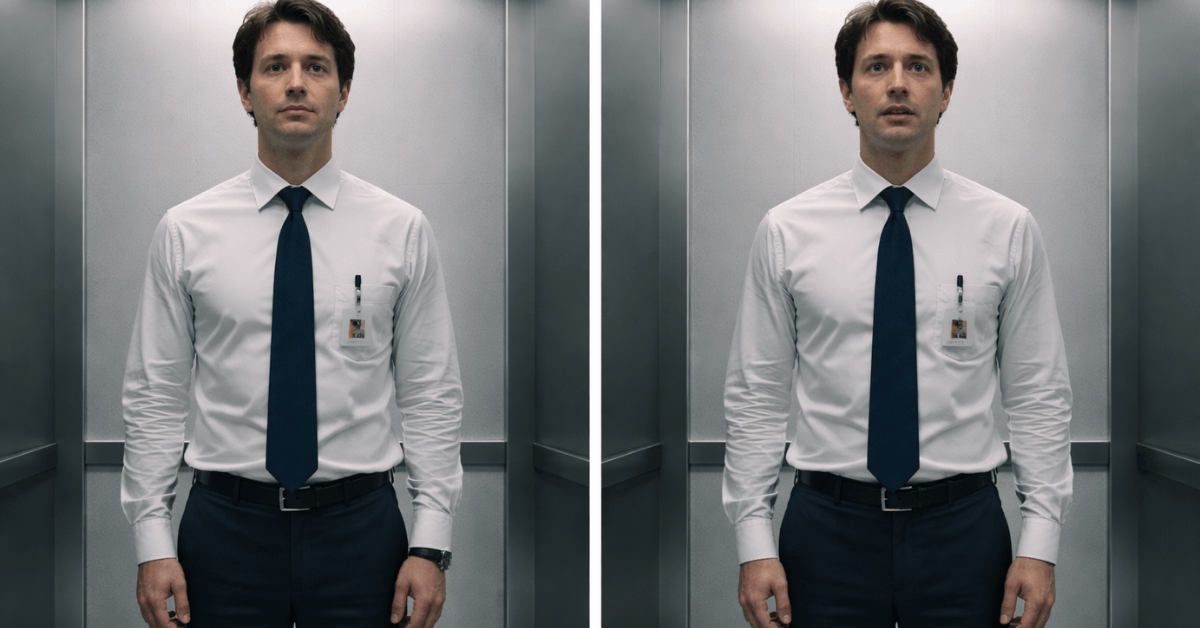
Episodes one and two of the new season close on mirrored elevator movements that sync cleanly side-by-side.
Cutting reveals staggered arrivals upstairs that map to immediate arrivals below, which retroactively explains how outies descend without colliding during a compressed timeline.
Watching those cuts in parallel brings the severance gap into sharper relief, since innie time jumps feel instant while outie time ticks on.
Sound Cues Also Deserve Attention
Card dings, door chimes, and arrival tones create a three-stage pattern that repeats across characters.
Helena’s ride deviates in notable ways, including the audible sequence and the missing watch swap that others perform at the boundary.
Those small sound and prop choices keep theory-minded viewers busy without breaking the rule that in-universe clues should match on-screen evidence.
Character Contrast Lands Hardest in These Twin sequences
Stoic outie faces glide toward duty while recent innie memories still vibrate with panic or attachment.
That cutback heightens the ethical charge behind the procedure, since one half experiences immediate disappearance while the other half treats the shift like a routine commute. Editing becomes argument, not ornament.
Honorable Mentions
Quick notes below expand rewatch value without needing full sections. Each item anchors to a consistent on-screen cue that reframes scenes after the first pass.
- Break Room soundscapes echo outie worlds, so refiner experiences feel personal even under punishment.
- Orientation trivia about the elder Eagan’s breakfast appears before severance, then reappears in guided sessions.
- Protest signage and the goat room point toward non-office severance applications with unsettling implications.
- A candle lifted from Mark’s home resurfaces during wellness, turning decor into surveillance evidence.
- Presence of dams in MDR filenames strengthens the water motif more than dialogue ever does.
Rewatch Strategy For Spotting Clues
Second passes benefit from intent. Pause on files, paintings, and hallway signage because those static inserts often carry the season’s macro theme.
Track wardrobe against role changes and family ties, since color variance usually marks plot turns in advance. Listen for repeated sound patterns around elevators and the Break Room, then compare sequences across characters to catch deviations that matter.
Scene Pairing Helps Immensely
Play key finales back-to-back when timelines seem compressed, then check whether entrance and exit beats align numerically or rhythmically.
Keep a short index of place names that show up on screens and documents, then confirm whether those names reference real infrastructure, literary towns, or historical events. Consistency across those references frequently telegraphs where the story intends to go next.
Clearer Patterns Form Once Innie and Outie Details Merge
Small domestic props illuminate office rituals, and office rituals quietly explain home behaviors that felt odd on first watch. Maintain a working list of Severance hidden easter eggs to guide a third pass, especially if season two theories begin clustering around sound or wardrobe continuity.
Conclusion
In a careful rewatch, scattered props, sounds, and wardrobe choices stop feeling decorative and start testifying to Lumon’s design.
Treat this guide as a checklist for scenes worth pausing, then let patterns confirm where season two aims next.
Keep attention on thresholds, water motifs, and synchronized elevators to surface intent rather than speculation. Leave the credits knowing which signals matter most and how to spot them faster.