The Last of Us Season One begins with a father losing the world he understood, then asks what happens when he must protect a girl who may matter to everyone left alive.
This Season One recap follows Joel and Ellie from outbreak day to the hospital, showing the choices that make the journey hurt. Infected creatures create danger, but grief and attachment shape the deepest turns.
For first-time viewers, it also separates what the show confirms from what Joel chooses to hide, so the ending carries its full emotional context.
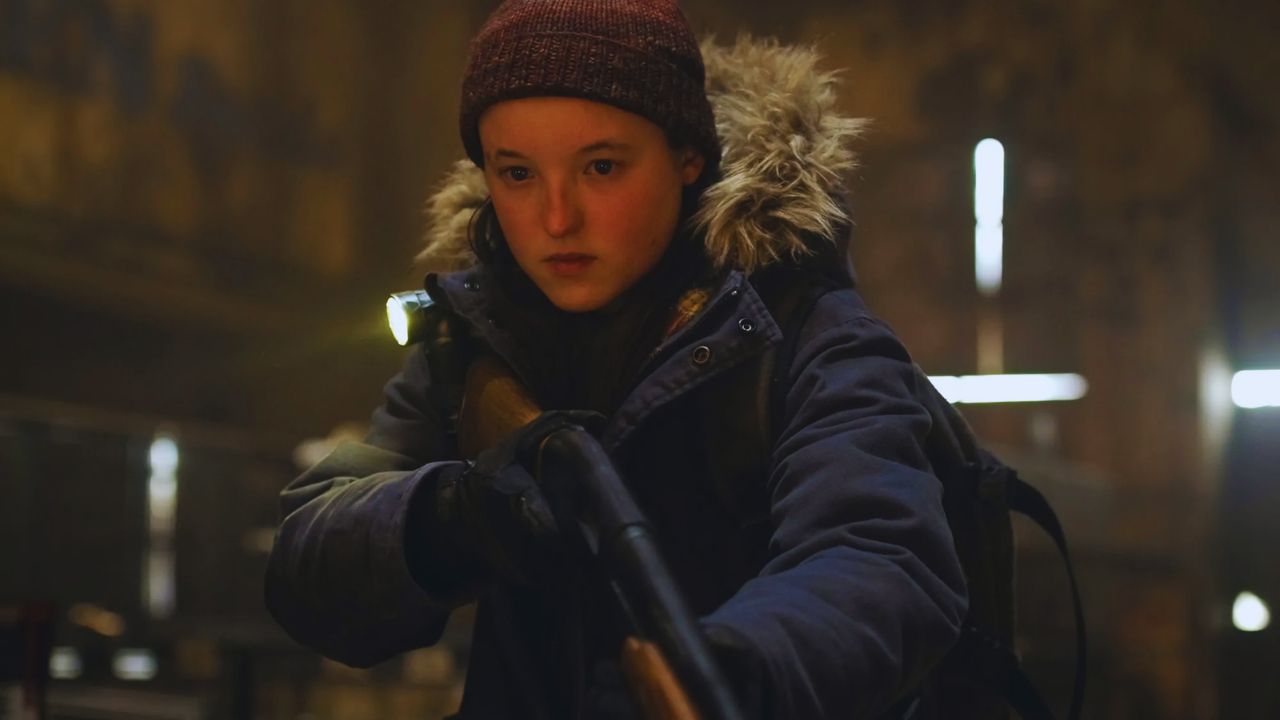
Outbreak Day Gives Joel a Reason to Shut People Out
The 2003 opening matters because Joel is not introduced as a hardened survivor. He is tired, affectionate, worried about bills, and sharing jokes with Sarah when the city collapses.
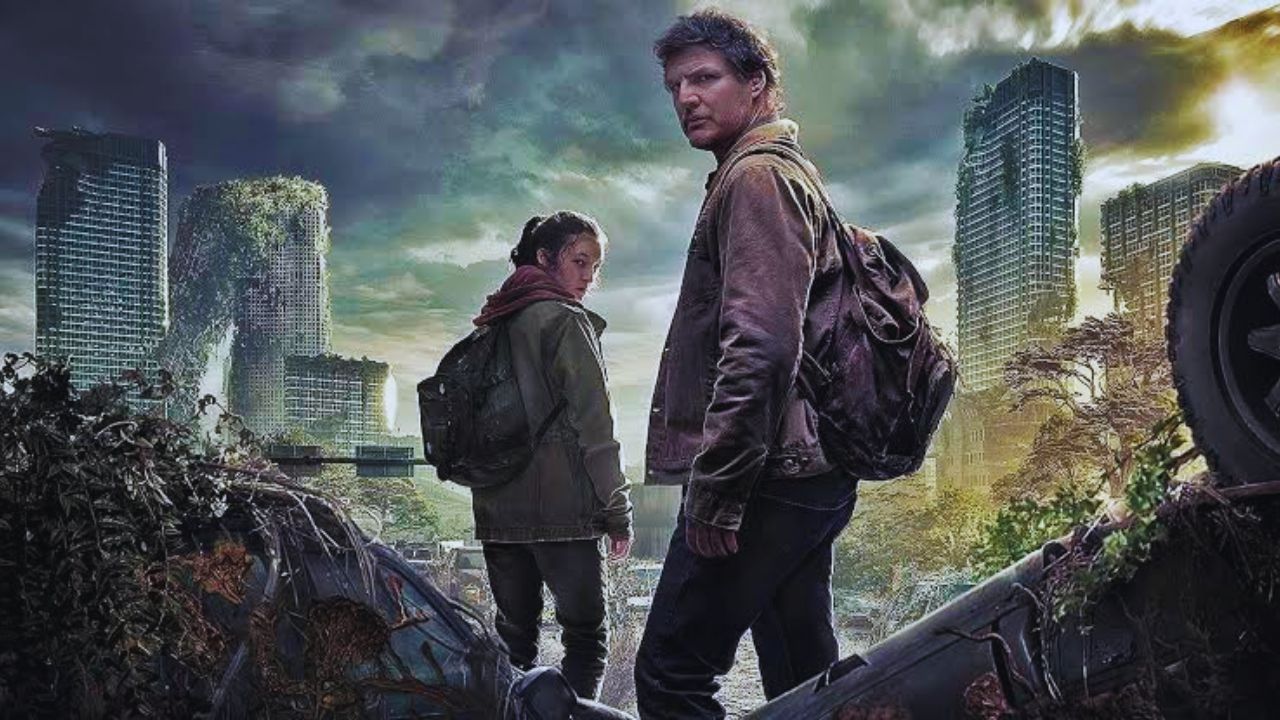
Her death teaches him that love can become unbearable loss overnight. Twenty years later, it shapes how he speaks, bargains, fights, and keeps people at an emotional distance.
Boston Shows Survival Without Recovery
In the Boston quarantine zone, Joel survives by smuggling and trading. FEDRA’s checkpoints, executions, ration cards, and surveillance show a city trading freedom for order.
Joel knows how to operate inside it, but he is not healed. His routine relies on control and emotional distance, which is why he sees Ellie as a task, not a person.
Ellie Changes the Meaning of the Mission
The Fireflies need Joel and Tess to move Ellie beyond Boston because her bite has not turned into infection. That makes her important, but never only a possible cure. Ellie is funny, frightened, observant, and angry.
Her personality makes immunity and human agency inseparable, because others keep treating her future as a decision they can make for her.
Tess Leaves Joel With More Than a Job
Tess recognizes that Ellie may represent something beyond survival. When she is bitten, she stays behind and gives Joel a reason to continue west.
Her death does not change him at once; it leaves him with a promise and a burden. The mission now carries someone else’s belief, making retreat harder.
The Road Tests Every Version of Protection
After Boston, Joel and Ellie meet survivors with different answers. Bill builds traps; Frank makes room for music, strawberries, and a shared table.
Henry protects Sam at any cost, while Tommy tries to build a community around cooperation. They show that survival can mean isolation, service, family, or fear, and force Joel to question the life he has chosen.
Bill and Frank Make Ordinary Life Feel Radical
Their garden, dinners, arguments, and final letter show that protection can be care instead of suspicion. Bill starts with a bunker and ends with someone he wants to wake beside.
His message reaches Joel at the right time because it connects purpose with devotion, while warning that protecting one person can become the center of a life.
Henry and Sam Show Ellie What Hope Cannot Fix
Henry and Sam briefly make the journey feel lighter before their ending destroys it. Ellie tries to use her blood to help Sam after he is bitten, but good intentions do not save him.
The failure confronts her with a painful limit: hope cannot create power. It deepens her guilt and fear, explaining why a cure means more than an abstract medical promise.
Winter Forces Ellie to Act Without Joel
When Joel is badly injured, Ellie must hunt, negotiate, and judge danger alone. David’s group looks organized and welcoming from a distance, but its security is built on coercion, hunger, and predatory control.
Ellie escapes because she refuses the role David offers her. Winter makes autonomy and survival the same fight, proving she is not simply someone Joel must carry.
Joel’s Search Reveals How Much He Has Changed
Joel’s response to Ellie’s disappearance is more revealing than the injury. The man who once treated the trip as a debt now tears through danger because he cannot accept losing her.
He never explains it. His actions make attachment and panic visible before he can name either feeling.
Also Read: Severance Main Themes Explained in Simple Terms
The Hospital Makes Love and Choice Collide
The Fireflies believe Ellie’s immunity may help them develop a cure, but the cure requires a fatal brain surgery. Ellie is unconscious and cannot consent.
Joel hears the decision as Sarah’s death repeating and refuses to let them take Ellie. The scene holds hope and violation together, because a possible cure cannot erase her missing choice.
Joel Saves Ellie and Changes Their Relationship
Joel kills the people between him and Ellie, carries her out of the hospital, and later claims that the Fireflies had stopped searching for a cure.
That story shields her, but takes something from her. He saves her body while controlling the information she needs. The lie becomes protection and betrayal at once.
Details Worth Carrying Into a Rewatch
The strongest details in The Last of Us Season One are behavioral changes. Watch for moments that show the bond forming before either says it.
Pay special attention to how small permissions change: sharing a joke, handing over a weapon, or listening instead of ordering someone away:
- Joel begins returning Ellie’s jokes instead of shutting them down.
- Ellie starts reading Joel’s silences as carefully as his warnings.
- A shared watch keeps Sarah’s absence close to every new attachment.
Why the Ending Does Not Offer a Clean Moral Answer
Joel’s decision is difficult because the show refuses an easy moral choice. The Fireflies act without Ellie’s permission, but Joel also prevents her from knowing what she might have chosen. Both sides claim necessity, while Ellie’s voice is missing.
The ending leaves moral conflict and stolen agency unresolved rather than offering a comfortable verdict.
The Last Conversation Makes the Lie Feel Unstable
In Jackson, Ellie asks Joel to swear that his Firefly story is true. He answers, “I swear,” and she replies, “Okay.” It is quiet, not peaceful.
Ellie’s pause suggests she senses the gap between his words and what he will not say. Their future rests on trust and doubt, making it more unsettling than any argument.
Conclusion: Survival Is Not the Same as Being Saved
The first season of The Last of Us treats survival as a moral condition. Joel and Ellie reach safety, but safety arrives with a secret neither can leave behind.
First-time viewers can follow the danger; on a rewatch, notice when care becomes control. The series asks whether love can remain love when it denies another person’s choice, and it refuses to answer for us. Those moments quietly prepare the final question about choice.