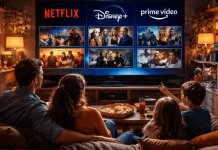
How Streaming Platforms Decide What to Promote

Streaming platforms do not place shows on your home screen by accident. The titles you see first are usually shaped by your viewing habits, the platform’s business goals, and constant testing behind the scenes.

This is why one viewer may see a new drama pushed heavily, while another sees documentaries, reality shows, or family movies.

Understanding these promotion signals helps you read your home screen with more control instead of assuming every recommendation is random.

What “Promoted” Content Really Means?

Promoted content is not limited to one big banner at the top of the app. It can include highlighted rows, autoplay previews, Top 10 lists, trending sections, “Because you watched” rows, notifications, and email suggestions.

These placements are designed to guide your attention quickly. The platform wants you to find something tempting before you lose interest or open another service.

The most visible spaces matter most because they usually get the strongest clicks. A title placed in the first few rows has a better chance of being watched than one buried deeper in the catalog.

That does not always mean the title is the best match for you. It may simply be the title the platform wants to test, push, or support during a release window.

Why Platforms Push Certain Titles?

The main goal is simple: keep viewers active. Platforms want you to start watching, continue watching, and return often enough that your subscription still feels useful.

A promoted title may be chosen because it matches your past habits, but it may also be new, exclusive, expensive to produce, or tied to a marketing campaign. Promotion is a mix of personal prediction and business strategy.

Original shows often receive extra attention because they help define the platform’s identity. A service wants viewers to associate it with series or films they cannot easily watch elsewhere.

Licensed titles may also be promoted when the rights are temporary, the title is trending, or a seasonal moment makes it relevant. This is why your homepage can reflect both your taste and the platform’s commercial priorities.

How Streaming Platforms Decide What to Promote

Your Viewing Habits Send Strong Signals

Every action can help shape what appears next. Watch time, completion rate, skipped titles, searches, trailer plays, likes, ratings, and watchlist activity all send information to the system.

If you regularly finish crime dramas, the platform may show more suspense titles. If you abandon a genre quickly, it may slowly reduce similar content suggestions.

Context also matters. The system may consider your device, time of day, profile language, region, plan type, and whether the account is shared by several users.

Watching cartoons on a family TV at night can send a different signal from watching thrillers on a phone during a commute. These details help the platform guess not only what you like, but what you may watch in that moment.

Also read: Streaming Platforms and Binge-Watching Explained

How Recommendation Ranking Works?

Recommendation ranking is the system that decides which titles appear higher, lower, or not at all on your home screen. It does not simply list every possible match.

It sorts titles based on what you may start, continue, and finish. A good recommendation is not just something similar to your past viewing; it is something likely to create real engagement.

The ranking system may also mix familiar and unfamiliar titles. If your homepage only showed one genre, it would start to feel repetitive.

That is why platforms often include variety rows, trending rows, new release rows, and personalized rows together. The goal is to keep the experience useful without making the catalog feel too narrow.

Business Decisions Still Shape the Feed

Personalization is only part of the picture. Platforms also promote titles based on editorial plans, brand goals, licensing deals, ad-supported strategies, and major launch campaigns.

A new original series may appear high on many profiles because the platform needs visibility during its first week. This does not mean your habits are ignored, but they are filtered through platform goals.

Kids’ profiles, age ratings, regional rights, and content policies also affect what can appear. A title may be unavailable in one country, hidden from a child profile, or boosted in another region because of a local campaign.

This is why two people with similar tastes may still see different home screens. Recommendations depend on availability rules as much as taste.

How Streaming Platforms Decide What to Promote

Why the Home Screen Keeps Changing?

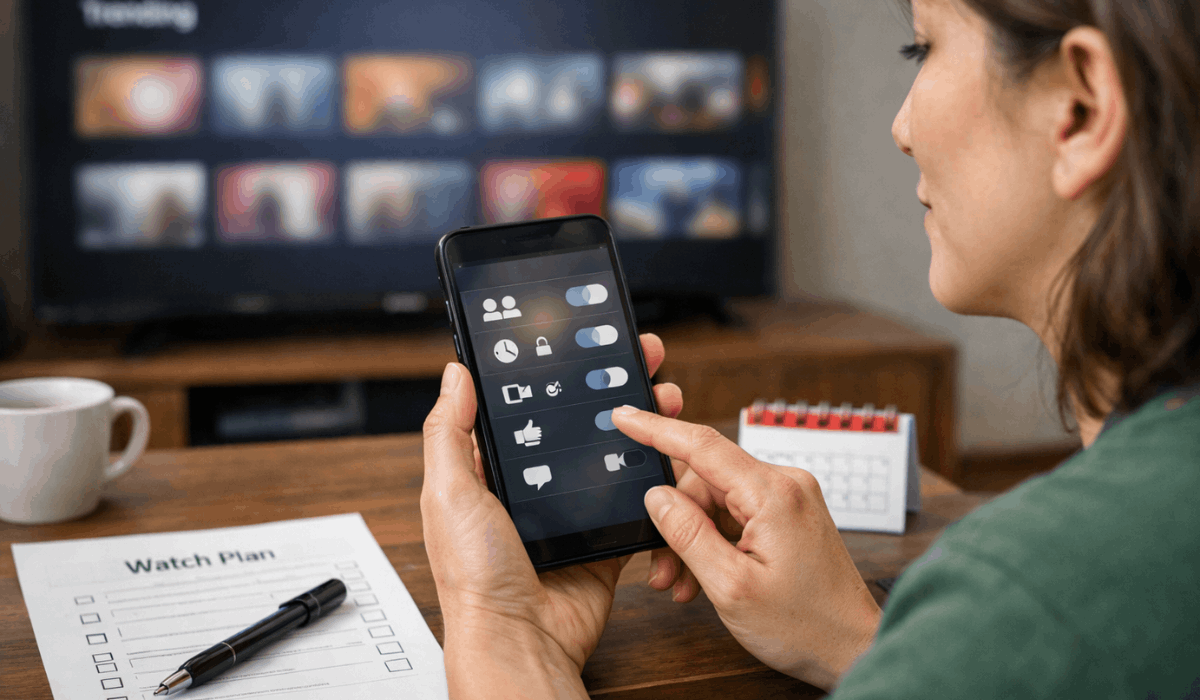
Your homepage is built from placement slots. Each row has a purpose, such as Continue Watching, New Releases, Trending Now, or recommendations tied to a previous title.

Platforms test row order, artwork, previews, and even row names to see what gets more clicks. Small design changes can affect watch behavior more than viewers realize.

Thumbnail testing is especially powerful. The same title may appear with different artwork depending on what the platform thinks will attract you.

One viewer may see a romantic image, while another sees an action-focused image for the same movie. This does not change the content, but it changes the reason you might click. Promotion often begins with visual framing.

A Short Guide to Improving Your Recommendations

You can influence your home screen by sending clearer signals. These simple habits help the platform understand your real preferences.

  • Use separate profiles for different viewers.
  • Remove wrong titles from history when possible.
  • Save only real interests to your watchlist.

These steps matter because messy viewing history creates messy recommendations. If several people use one profile, the system may combine children’s shows, documentaries, horror films, and sports content into one confused feed. A cleaner profile gives the platform better signals and makes recommendations feel less random.

Release Timing Also Affects Promotion

Streaming platforms plan releases carefully. A weekly show may stay visible longer because each episode creates a new reason to promote it.

A binge release may get a large push at launch, then fade faster if viewers finish quickly. Holidays, weekends, school breaks, and major entertainment events can also affect promotion timing.

This explains why certain titles seem impossible to avoid for a few days or weeks. The platform may be supporting a launch, competing with another service, or using a period when more people are likely to watch.

Your recommendations are personal, but they are also shaped by the broader content calendar.

The Bottomline: Take More Control of What You See

Streaming platforms promote shows through a combination of viewing data, placement strategy, artwork testing, release timing, and business priorities.

Your homepage is not completely neutral, but it is not completely out of your control either. Separate profiles, careful watchlist use, feedback tools, and cleaner viewing history can all improve what appears first.

When you understand these recommendation patterns, it becomes easier to choose what to watch instead of letting the platform guide every decision.

Previous articleStreaming Platform Settings You Should Know
Next articleMovie Plot Explained Without Overthinking
Oliver Kent
Oliver Kent is a content editor at EditionPlay.com, focused on TV Series Explained. With a background in Screenwriting and 8+ years covering streaming and pop culture, he turns complex plots into clear breakdowns without unnecessary spoilers. He explains character arcs, timelines, and season finales with accuracy so you can grasp each episode quickly and confidently.