You notice that streaming services do not all release episodes the same way.
These release strategies shape how you follow a series, pace your viewing, and use episode guides.
Understanding these models helps you watch shows in the order and rhythm that fits you best.
What Episode Release Models Mean for You
You experience a release model every time a new episode becomes available.
These models directly shape how you watch, plan, and stay engaged with a series.
- Viewing pace control: Weekly drops slow you down; full-season drops let you set your speed.
- Episode guides: Weekly releases are easy to track; binge releases need tighter tracking.
- Engagement and discussion: Weekly schedules stretch conversation; full drops compress it.
- Story understanding: Time between episodes helps clarity; binge watching can blur details.
- Watch planning: Weekly models support routines; full drops suit planned long sessions.
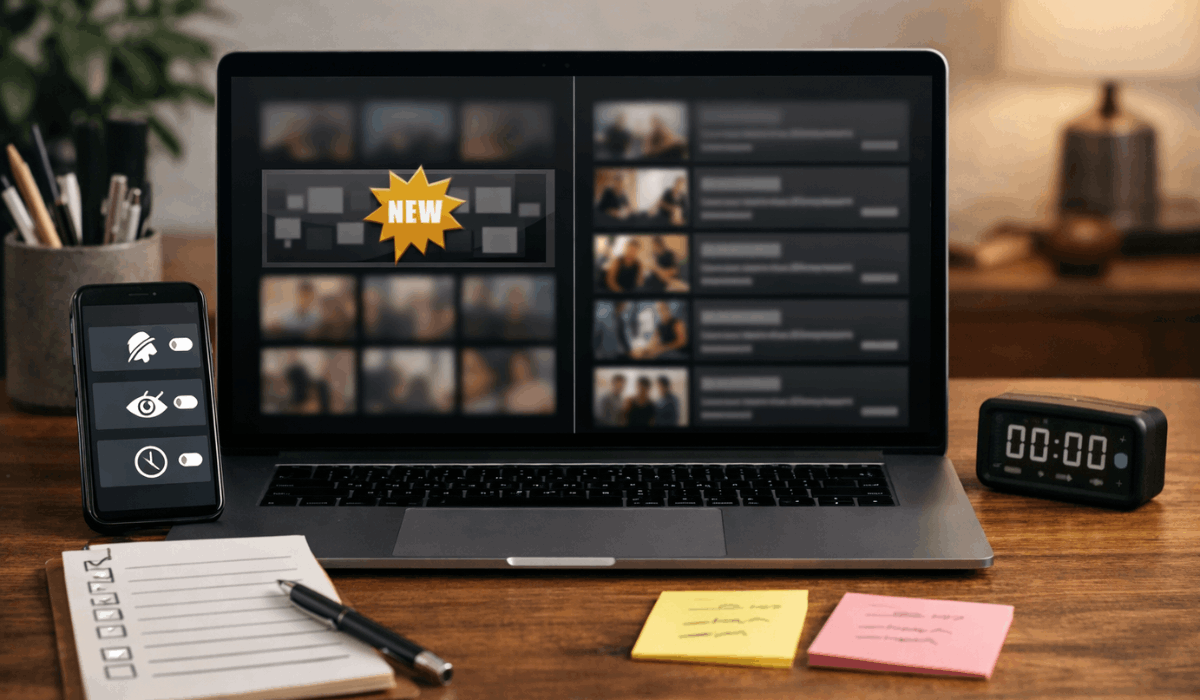
Weekly Episode Releases Explained
You get new episodes on a fixed schedule, most often once per week.
This release model is built to shape pacing, sustain interest, and extend attention over time.
- Scheduled viewing routine: Episodes arrive on the same weekday, so you can plan your watching.
- Built-in anticipation: The wait creates suspense and gives you something specific to look forward to.
- Longer discussion window: Fans talk, react, and share theories across many days instead of one weekend.
- Easier episode tracking: Episode guides stay simple because you only have one new installment at a time.
- More time to process: You can reflect on plot details and character choices before the next episode drops.
- Slower completion pace: You finish the season later, which can make the show feel like a longer event.
Limitations of Weekly Releases
You do not get immediate access to the full story. This release model can feel restrictive depending on how you prefer to watch.
- Slower story access: You must wait weeks to see how the season ends.
- Reduced viewing flexibility: You cannot choose your own pace freely.
- Risk of spoilers: Ongoing discussions can reveal plot points before you watch.
- Interrupted momentum: Breaks between episodes may weaken emotional impact.
- Longer commitment: Following the show requires attention over an extended time.
Full-Season (Binge) Releases Explained
You get all episodes at once on release day. This model is designed to give you full control over how and when you watch.
- Immediate full access: Every episode is available as soon as the season launches.
- Flexible viewing pace: You choose whether to watch slowly or finish the season quickly.
- Unbroken storytelling: Episodes flow without waiting periods or forced pauses.
- Personal scheduling: You fit watching into your own time instead of a weekly slot.
- Fast completion: You can finish the entire story in a short timeframe.
Downsides of Full-Season Releases
You get everything at once, but that comes with trade-offs. This release model can shorten engagement and affect how you experience the story.
- Short attention window: Discussion and interest often fade within days.
- Higher spoiler risk: Plot details spread quickly once all episodes are available.
- Weaker episode impact: Individual episodes can blend together when watched back-to-back.
- Faster burnout: Long sessions can lead to fatigue or loss of focus.
- Less shared timing: Viewers finish the season at very different speeds.
Split-Season and Mid-Season Drops
You receive a season in separate parts rather than a single continuous run. This model combines elements of binge and weekly releases.
- The season is divided into parts: Episodes are released in two or more groups.
- Planned mid-season break: A pause separates story arcs within the same season.
- Renewed attention: Interest often returns when the next batch is released.
- Extended release window: The show stays visible for a longer period.
- Interrupted viewing flow: A break can disrupt the story’s momentum.
How Split Releases Affect Story Flow
You experience the story with a planned pause in the middle. This break changes how the narrative is received and remembered.
- Clear story segments: Each release part feels like its own chapter.
- Forced narrative pause: Momentum stops before the full arc is complete.
- Time for reflection: You can think about plot developments between parts.
- Shifted emotional impact: Tension may cool during the break.
- Renewed re-entry: Returning episodes often recap or reset pacing.
Event-Based and Limited Releases
You receive episodes tied to specific dates or short availability windows. This model is designed to create urgency and focused attention.
- Scheduled premiere events: Episodes launch at set times to drive live interest.
- Limited availability windows: Content may be accessible only for a short period.
- High-attention moments: Viewers are encouraged to watch immediately.
- Concentrated discussion: Conversation peaks at the moment of release.
- Short engagement span: Interest drops off quickly after the event.

How Algorithms and Testing Influence Release Schedules
Platforms rely on data to decide when and how episodes are released. Your viewing behavior directly shapes these decisions.
- Watch-time analysis: Platforms measure how long you watch each episode.
- Drop-off tracking: Data shows where viewers stop or lose interest.
- A/B release testing: Different schedules are tested on smaller audiences.
- Engagement signals: Likes, completion rates, and replays influence timing.
- Adjustment over time: Release strategies change based on performance results.
How Release Models Affect Episode Guides
Episode guides change based on how and when episodes are released. The release model determines how you track progress and viewing order.
- Weekly releases: Guides update gradually as new episodes arrive.
- Full-season drops: Complete guides are available from day one.
- Split-season releases: Guides pause and resume with each release part.
- Event-based releases: Guides focus on specific dates and viewing times.
- Viewing accuracy: Release timing helps prevent skipped or repeated episodes.
How Release Strategies Affect Renewals and Cancellations
Platforms judge a show’s performance based on how you respond to its release.
The chosen release model directly influences renewal decisions.
- Early performance signals: Initial viewership numbers matter more in fast releases.
- Completion rates: Platforms track how many viewers finish the season.
- Sustained engagement: Weekly releases are measured over a longer period.
- Audience growth: New viewers joining mid-release affect outcomes.
- Cost versus impact: Engagement results are weighed against production costs.
Global vs Regional Release Timing
You may not receive episodes at the same time as viewers in other countries. Release timing depends on location, rights, and platform strategy.
- Staggered release dates: Episodes launch earlier in some regions than others.
- Time zone differences: Global releases appear at different local times.
- Licensing restrictions: Regional rights can delay availability.
- Platform rollout strategy: Some markets are prioritized over others.
- Guide accuracy issues: Timing differences affect episode listings and alerts.
Choosing the Right Viewing Strategy for You
You can adjust how you watch based on how episodes are released. Picking the right approach helps you enjoy the story without pressure.
- Weekly releases: Watch on schedule if you enjoy routine and discussion.
- Full-season drops: Pace yourself if you want control and flexibility.
- Split-season releases: Treat each part like a separate mini-season.
- Spoiler management: Delay or speed up viewing based on online discussion.
- Time planning: Match your watching style to your available free time.
Final Takeaway
Streaming services use different release models that shape how you watch, plan, and follow a series.
Knowing these strategies helps you choose the right pace, avoid confusion, and use episode guides more effectively.
Use this knowledge to adjust your viewing habits and make each new release work for you.