In a crowded field of post-apocalyptic stories, the Last of Us Series Plot centers on two people crossing a broken America while every rule of trust gets tested.
As a first-time watcher, you meet Joel, a hardened smuggler, and Ellie, a teenager immune to the cordyceps infection, moving through zones controlled by soldiers, raiders, and an uneasy resistance.
Early ratings made headlines when 8.2 million tuned in for the finale, yet the conversation kept circling back to one thing: the story’s choices and how they reshape expectations built by the games. Fans and newcomers both find a grounded, character-led journey that swaps constant gunfire for moral stakes that stick.
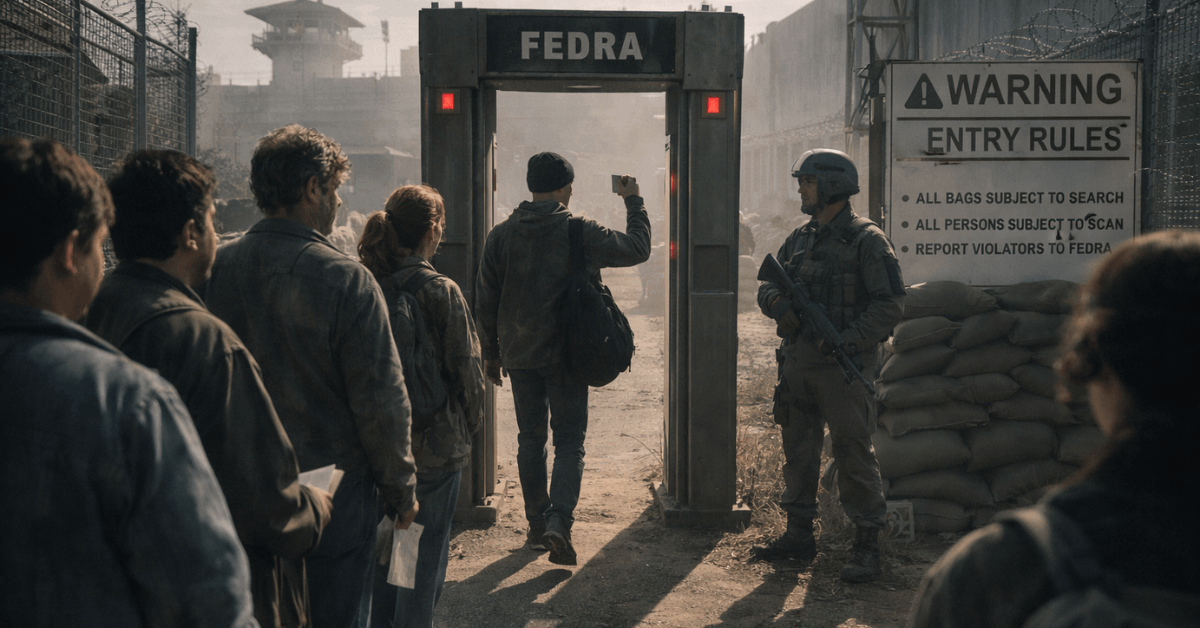
The Core Journey In The Last Of Us Series Plot
In 2003, an outbreak tears normal life apart as a mutated fungus topples governments and fractures communities. After a devastating loss, Joel survives inside a militarized quarantine zone run by Fedra, trading, smuggling, and keeping distance.
A job changes everything when he’s tasked to move Ellie across the country because her unexplained immunity could help scientists develop a vaccine. In practical terms, the journey becomes a chain of hard choices across Boston, the ruins of the Northeast, the Midwest, and the Rockies.
Safe passage rarely stays safe, and alliances hold only as long as incentives align. Ellie’s humor and curiosity break through Joel’s guarded shell, and that shifting bond becomes the spine of the narrative. Stakes escalate when a Fireflies plan offers a path to a cure at a cost that challenges any notion of clean heroism.
World and Stakes: Cordyceps, Fedra, Fireflies
Infections spread through bites and mycelial growths that flourish in humid, decayed spaces. The show visualizes cordyceps growth as dense masses and creeping tendrils that convert hosts into single-purpose vectors.
Fedra imposes martial law in select cities to ration supplies and suppress unrest, while Fireflies operate as a decentralized rebellion that promises a different order once the soldiers stand down.
In most encounters, human threats outweigh clickers because scarcity warps behavior faster than spores. The Fedra vs Fireflies conflict keeps everyday people trapped between curfews, informants, and insurgent cells that offer hope mixed with risk. As a viewer, you track how communities adapt:
- closed towns,
- survivor communes,
- raider outposts, and
- quiet pockets that look stable until the past catches up.
Key Characters and Factions
Expect a tight central cast supported by short-arc characters who leave marks on Joel and Ellie. Quick context below helps first-time watchers lock names to motives.
- Joel Miller. A survivor whose grief calcified into rules about distance, risk, and control. Skills include smuggling routes, weapons handling, and a cautious read of strangers.
- Ellie Williams. A witty, restless teenager immune to infection whose curiosity complicates hardened plans. The Joel and Ellie relationship evolves from guarded necessity to chosen family.
- Tess Servopoulos. A seasoned partner who anchors Joel’s early choices and pushes the mission forward when obstacles mount.
- Henry And Sam. Brothers navigating Kansas City whose decisions mirror Joel’s line between survival and sacrifice. Their tragedy reveals how fast hope collapses.
- The Fireflies. A loose network seeking medical breakthroughs and institutional change, often at odds with immediate human costs when chances for a cure appear.
Episode Highlights That Shape The Story
In the premiere, the outbreak’s first day delivers a sharp shock that explains Joel’s armor without spelling everything out.
The Boston arc sets tone: contraband deals, a risky escort, and a run-in with a Fedra checkpoint that reframes Ellie’s importance. The mid-season detour in Kansas City examines revolt and score-settling, showing how uprisings can repeat the harshness they replace.
A winter segment introduces David’s group, a community built on secrecy that turns survival into something predatory, giving Ellie a defining fight for autonomy.
Survival is a Choice
In episode three, the Bill and Frank episode reframes survival as a choice about care, routine, and dignity.
That bottle episode deepens the world by proving love exists inside scarcity, then quietly flips expectations set by the game. Across nine episodes, pacing favors emotional beats and cause-and-effect over constant spectacle.
Action arrives in spikes that support character turns, including a museum sequence, a clicker swarm beneath a suburb, and set pieces where gunfire ends problems but never the consequences.
HBO Adaptation Choices Versus The Game
In adapting action-heavy gameplay to television, the writers trade repetitive combat loops for scenes that push character and theme. The Last of Us HBO keeps core plot waypoints intact while altering routes that reach them.
Scenes expand Ellie’s interiority, Joel’s avoidance patterns, and the sheer logistics of moving across hostile terrain. The The Last of Us game vs show comparison lands in one clear place:
- television compresses enemies and
- encounters so tension fuels decisions rather than ammunition counts.
In narrative terms, the show makes space for quieter interactions that would be optional in a controller-driven format.
That means longer dialogues, wider flashbacks, and episodes centered on side characters whose choices echo through Joel and Ellie’s path. The result preserves urgency while shifting the ratio toward grief, trust, and the price of protection.
Timeline Snapshot Across Season One
Context helps first-time watchers keep track of dates and places. Quick markers below show how the story moves across time and geography.
This snapshot tracks the initial outbreak, the twenty-year jump to the main timeline, and the route west. Treat locations as anchors for character choices rather than sightseeing stops.
Details may compress small side trips for clarity. Use the beats as reference while watching, especially when flashbacks surface.
| Year | Location Anchor | Key Events |
| 2003 | Austin, Texas | Outbreak day shatters Joel’s family and sets his survival mindset. |
| 2023 | Boston QZ | Smuggling jobs, Tess partnership, and Ellie’s immunity revealed. |
| 2023 | Rural Northeast | Museum and capitol building runs escalate danger and cost. |
| 2023 | Kansas City | Uprising aftermath intersects with Henry and Sam’s storyline. |
| 2023 | Wyoming And Beyond | Reunion hints, Jackson community, and path toward Fireflies facility. |
Season 1 Ending Explained For Newcomers
In the final stretch, Joel reaches a Fireflies hospital where doctors believe Ellie’s immunity requires invasive extraction to craft a vaccine. That procedure will kill her. Authority figures frame the choice as the greatest good, arguing millions could live if one person dies.
A decision follows that defines Joel more clearly than any firefight. He refuses the trade and removes Ellie from the facility, then tells her a story to protect the bond they built. In moral terms, the ending asks whether love can excuse theft of agency and mass-scale consequences.
The Season 1 ending explained simply: Joel saves Ellie, lies to her, and locks them both into a future shaped by that lie. First-time watchers should expect reverberations when trust and truth collide, because secrets struggle to survive long in a world this small.
How The Games Frame What Comes Next
Part I maps closely to the season’s arc: escort mission, found family, impossible choice. Part II jumps five years to Jackson, Wyoming, where daily life finally resembles community. A violent incident fractures that stability and sends Ellie into a cycle of pursuit, retaliation, and reflection.
In the show, hints already point ahead:
- Jackson’s functioning town,
- leadership dynamics, and
- the cost of vengeance telegraphed through side stories.
In production terms, The Last of Us Part II Remastered clarifies themes the series will likely emphasize: consequences of violence, cycles of retribution, and the human cost of refusing to let grief pass.
As a viewer, you should expect broadened perspectives, new cities, and characters whose motives challenge easy alignment. The road grows wider, not safer.
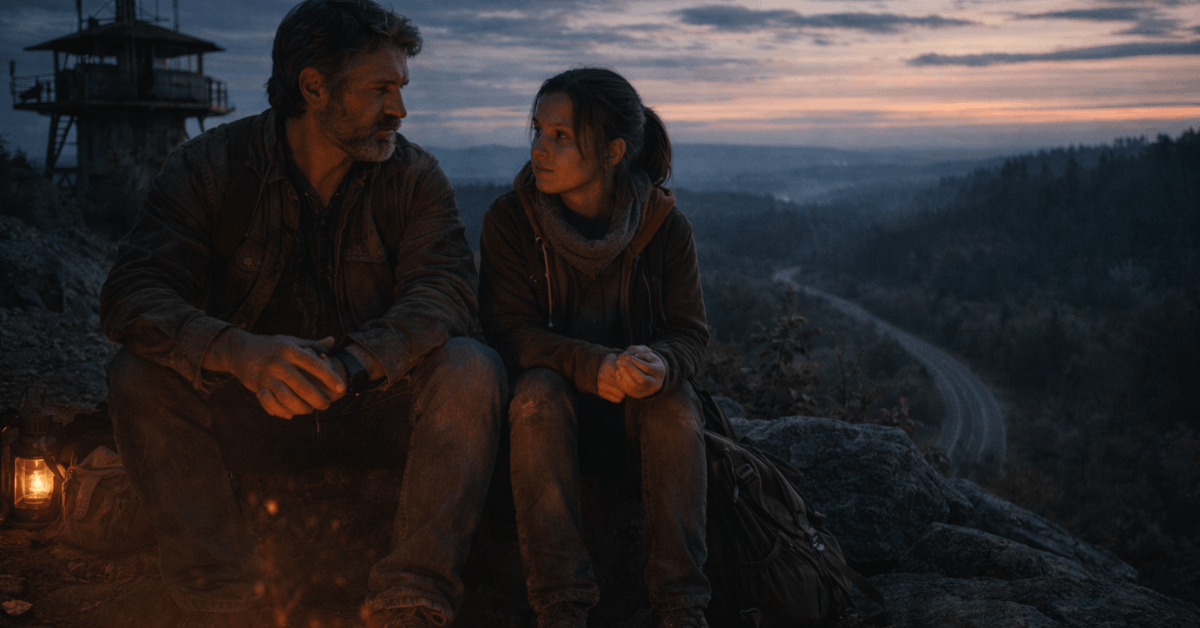
Grounding The World: Infection, Agencies, and Survival
Infections operate through spores and bites, but the show prioritizes contact transmission to keep scenes legible. Cordyceps infection explained quickly becomes behavioral:
- runners move fast,
- stalkers hunt, and
- clickers use echolocation after prolonged growth blinds them.
Fedra patrols enforce rules inside walls, ration cards keep lines moving, and curfews limit movement. Fireflies coordinate labs, safehouses, and strikes, claiming that a cure justifies risk when chances appear credible.
In practical survival terms, water, calories, and rest matter as much as ammo. Maps, weather, and terrain drive choices about when to push and when to hide. Communities survive when trust is rationed carefully and standards stay consistent. Post-apocalyptic survival themes surface constantly:
- hold tight to allies,
- read rooms faster than threats, and
- assume noise attracts worse problems.
Why Episode Three Matters Even If Action Slows
In a series famous for bleak turns, the Bill and Frank story demonstrates that meaning still grows when time and care get protected. Their home becomes a case study in risk management: fences, fuel rotation, supply chains, and mutual roles.
The episode widens the show’s thesis by proving that survival without purpose drains faster than any battery. Consequences still arrive, but the terms feel chosen rather than imposed. In adaptation terms, the episode explains a key production decision.
Television needs variety in tone and scope to avoid flatness, so quieter chapters make louder ones land harder. That recalibration annoyed viewers expecting constant raids, yet it served the long game: the ending hits harder because tenderness exists to lose.
Newcomer Tips For First Watch
Short guidance helps keep details straight without spoiling turns. Treat the list as a lightweight checklist while watching.
- Pay attention to maps, signage, and weather in scene transitions because geography explains choices.
- Note how silence, jokes, and small gifts change Joel’s posture; trust builds in increments.
- Track factions through uniforms and vocabulary to link motives to outcomes later.
- Expect side characters to matter even when screen time is brief; echoes return.
- Watch how Ellie navigates fear, curiosity, and guilt; those shifts foreshadow later arcs.
Final Takeaway
In season one, the Last of Us Series Plot turns an escort mission into a study of attachment and cost. The show earns its reputation not through constant firefights, but through choices that feel understandable and terrible in equal measure.
First-time watchers should expect more scale and more perspectives ahead, along with consequences that resist easy answers. The road continues, and the bill for that hospital decision has not been paid.