Succession is not about who can run Waystar Royco best. It follows people trying to turn old wounds into proof of worth inside a family that mistakes attention for love.
Logan, Kendall, Shiv, Roman, Tom, and Greg make strategic choices, but each choice is also emotional self-defense.
This guide follows the motives beneath the insults, deals, betrayals, and brief tenderness, so the final takeover feels like the result of years of damage rather than a boardroom surprise.
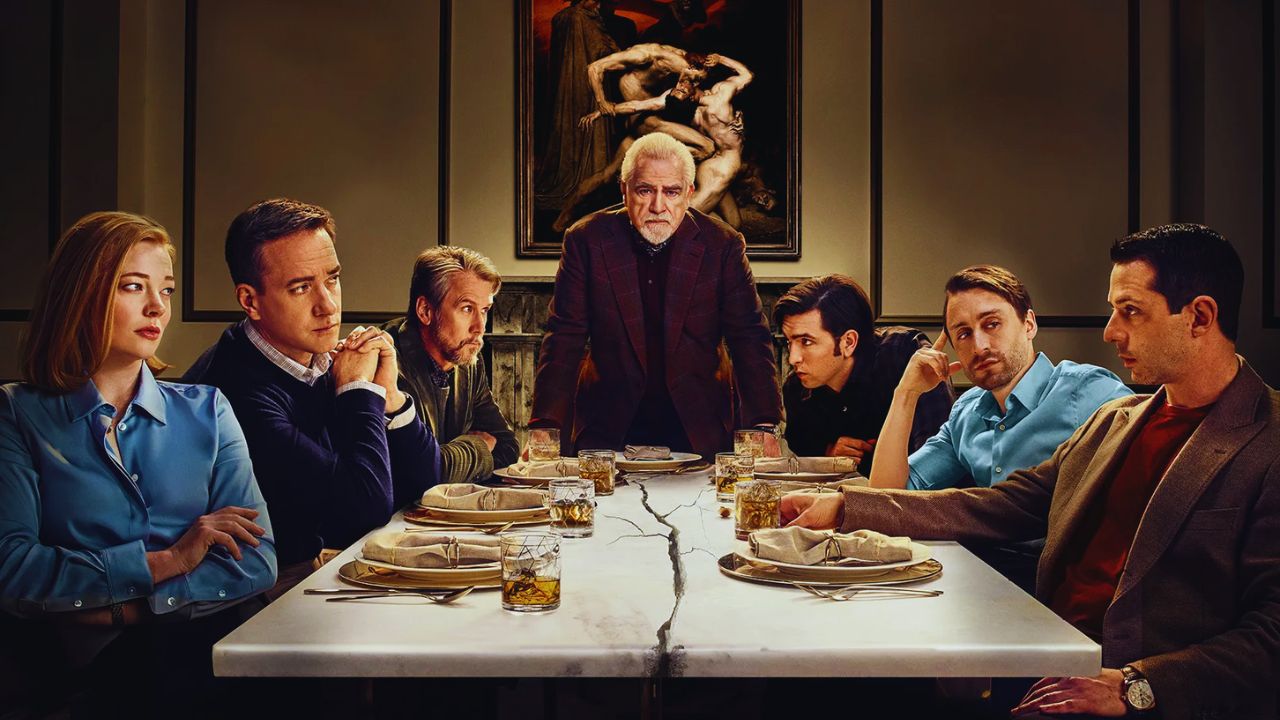
Logan Roy Teaches His Family That Love Must Be Earned
Logan controls more than a company; he controls the emotional weather around it. A compliment, private joke, or promise of responsibility can make his children feel chosen, then vanish when they grow confident.
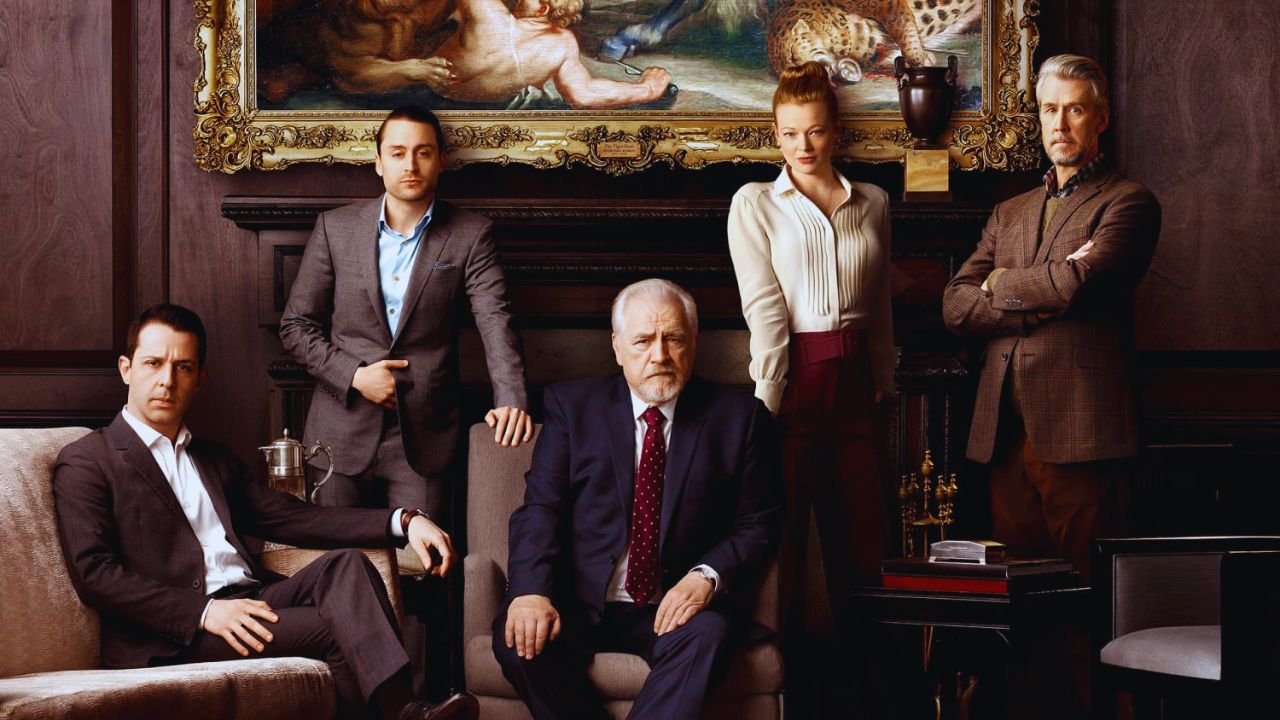
He treats dependence as weakness because need looks dangerous to him. That is why approval becomes leverage in the Roy family: everyone returns to the person most likely to withhold it.
His Cruelty Often Arrives as a Test
Logan rarely asks for obedience outright. He creates situations where loyalty must be shown through humiliation, silence, or betrayal.
He praises toughness but punishes independence, leaving his children unable to tell when they are safe. Even affection has conditions. His leadership turns fear into belonging, making escape feel like losing both a father and a future.
Kendall Wants the Crown to Rewrite His Worst Memories
Kendall’s ambition is never only professional. He wants the chief executive role to prove he is not the weak son, failed addict, or man responsible for a death he cannot undo.
The waiter’s death changes every comeback, even when the show keeps it below the dialogue. His speeches about reform carry conviction, but they are also requests for absolution. He chases power hoping it will quiet guilt.
He Keeps Performing a Self He Cannot Sustain
Kendall can become a reformer, rebel, grieving father, or disciplined successor depending on what the room rewards.
Those versions are not entirely fake; they are fragments he tries to make permanent. But every performance still needs Waystar to certify him. He searches for identity through validation from the institution that keeps him insufficient.
Shiv Wants Influence Without Becoming Anyone’s Property
Shiv enters the contest believing she can remain different from the people at Waystar. That confidence weakens once Logan brings her closer and limits what she can decide.
She wants proximity to power, but rejects the role of decorative daughter, compliant wife, or disposable adviser. Her choices become clearer when read as a fight for autonomy and recognition, not simple indecision.
Her Marriage Turns Intimacy Into Negotiation
Tom and Shiv can be funny, caring, and cruel in one conversation because neither can separate love from position. Shiv asks for loyalty but resists depending on him; Tom wants emotional security but also protection from the Roy machine.
Their final handhold is not a warm resolution. It is an arrangement between two people who know marriage can become leverage when private feeling has a market value.
Roman Hides Need Behind Humor and Performance
Roman jokes before anyone can expose him. His insults, awkward flirtation, and appetite for chaos let him control a room that might reject him.
He understands how to please Logan in short bursts, but freezes when authority requires steadiness. Beneath the comedy is a son desperate to be taken seriously without direct vulnerability. Humor becomes armor, while humiliation remains familiar.
The Funeral Leaves Him With Nothing to Perform
At Logan’s funeral, Roman cannot turn grief into a punchline or advantage. The room is formal, public, and full of people waiting to see him fail.
When he breaks down, the moment reveals what the show has suggested: he has no safe language for loss. His collapse is unfiltered grief arriving before self-protection can take over.
Tom Learns to Survive by Reading Power More Clearly
Tom is not protected by the Roy name, so he studies the family’s rules with urgency. He accepts humiliation when it buys access, flatters the right people, and knows a useful subordinate can outlast a beloved relative.
This does not make him free. It makes him adaptable. He knows dignity can be expensive and usefulness may be the closest thing to security at Waystar.
Also Read: Reptile: Movie Ending Explained in Simple Terms
His Win Comes With a Ceiling Built Into It
Tom becomes chief executive because Matsson needs a public-facing operator who will absorb pressure without challenging the real source of power. He gets the title Kendall wants, but not the independence Kendall imagines.
He wins by accepting terms the Roy children cannot bear. His position is real authority wrapped in dependence, making the victory impressive and bleak.
Greg Uses Awkwardness as a Way Into the Room
Greg arrives looking harmless, uncertain, and easy to dismiss. That image helps because people speak freely around someone they do not consider dangerous.
He learns to copy power’s language, preserve documents, attach himself to stronger people, and switch loyalties before a door closes. His opportunism is comic but practical. Greg treats access and information as survival tools.
The Supporting Players See the Machine Without Family Mythology
Gerri, Karolina, Frank, Karl, Willa, Marcia, and Matsson show what Waystar looks like to people who do not need Logan’s approval as children. They know loyalty is provisional, contracts matter, and sentiment can be used against them.
Gerri’s judgment, Karolina’s message control, and Willa’s pragmatism clarify the professional rules beneath the drama. They bring distance and clarity to a company built on emotional confusion.
Three Questions Make a Rewatch More Revealing
Instead of asking who wins each argument, watch what each character protects. These three questions expose the emotional stakes beneath every negotiation:
- What kind of approval does this person still want?
- Which fear makes their decision feel necessary?
- Who gains leverage when they are hurt?
Conclusion: The Company Is Only the Stage for the Family’s Damage
The final takeover matters because nobody receives what they need. Kendall loses the story that made him feel destined, Shiv keeps proximity to power without safety, Roman finds honesty only after defeat, and Tom inherits a job that depends on another person’s approval.
On a rewatch, notice the moments before deals: the missed call, withheld compliment, joke that lands too hard, or person excluded from a room. Succession argues that power cannot heal inheritance; it only gives old injuries a larger place to perform.
That is why the finale lands less like triumph than exposure: the company changes hands, but the family’s habits survive. The winner remains inside the machinery that made everyone else miserable, still waiting for recognition that the job can never reliably provide him.