Inception can feel complicated because it combines a dream heist, several levels of time, and Dom Cobb’s grief.
Its core question is simpler: can Cobb stop using guilt and memory as a substitute for life? This guide follows the mission, the dream rules, Fischer’s emotional setup, and the final image.
The spinning top matters, but it is not the only ending clue that shows what has changed for Cobb.
The Job Depends on Making a Stranger’s Idea Feel Like His Own
Cobb and Arthur normally enter dreams to steal information, but Saito hires them for something harder. They must make Robert Fischer choose to break up his father’s business empire.

This is inception: placing an idea that must feel self-generated, never forced. The team cannot simply deliver an instruction.
They need to create a situation in which Fischer reaches the decision through emotion and reasoning. That makes the job a psychological heist rather than a trick built on dream architecture.
Also Read: Streaming Platforms Explained: What Viewers Need to Know Before Subscribing
Fischer’s Father Gives the Plan Its Necessary Emotional Weight
Fischer’s fear of disappointing Maurice, his distant father, gives the con its engine. The team does not ask him to abandon the company without context.
They construct a dream in which he believes his father wanted him to become his own man. The decision feels like release rather than defeat.
That is why the bedside scene matters: the planted thought holds because it connects to longing and fatherly approval, not because anyone tells Fischer what to do.
Each Dream Level Changes the Time and Risk Above It
The job passes through a rain-soaked city, a hotel, and a snowbound fortress, with each deeper level stretching time further. A few seconds in the falling van can become minutes in the hotel and much longer below it.
Action in one layer also alters the next, especially when the van’s fall changes gravity. These links create tension through shared timing: the team must protect Fischer’s story while arranging synchronized kicks to bring everyone awake.
The Sedative Makes Death a Route to Limbo
Yusuf’s sedative changes a basic rule. Under ordinary conditions, death wakes a dreamer; under the stronger drug, it can send someone into limbo.
That danger makes gunfire and failed plans heavier than ordinary action-movie stakes. Limbo is a subconscious space where years can feel like a lifetime and reality becomes hard to trust.
The threat of lost time is personal for Cobb because he has already lived through limbo’s isolation with Mal.
Limbo Holds the Memory Cobb Has Refused to Release
Cobb and Mal once built a city in limbo and lived there for what felt like decades. Wanting to wake, Cobb planted the idea that their world was not real.
It worked too well. Back in reality, Mal continued to doubt the world and eventually died trying to escape it. Cobb’s guilt has become a prison. The Mal who disrupts the mission is shaped by regret and self-blame, turning every professional plan into personal sabotage.
Mal Is a Projection, Not the Woman Cobb Loved
The Mal who follows Cobb knows his secrets because she comes from his mind, but she is not the whole person he loved.
She behaves as his memory needs her to behave: accusing, seductive, wounded, and impossible to leave. In limbo, he admits that she is not enough, even while wishing she were.
That is his breakthrough. He begins separating memory from reality, seeing that a perfect image can preserve grief instead of honoring the dead.
Ariadne Sees the Damage Cobb Keeps Turning Into a Secret
Ariadne joins as the dream architect, then becomes the one person willing to question Cobb’s silence. Her maze test proves why he needs her, while her questions reveal why he cannot lead safely without help.
She sees Mal interrupting dreams, enters Cobb’s memories, and understands the mission will fail if he keeps hiding the problem. Ariadne provides outside perspective and moral pressure. She cannot cure him, but she makes avoidance harder.
The Kicks Work Only Because Nobody Can Finish Alone
A kick is the sensation that wakes a sleeper, often created by falling or a sudden jolt. In the final operation, the team must coordinate kicks across several levels while timing Fischer’s emotional breakthrough.
The mechanics are complex, but the point is direct: success requires trust. Arthur handles the weightless hotel, Eames holds the fortress, Yusuf drives the van, and Ariadne guides Cobb through limbo.
Dream logic becomes collective effort and shared dependence, challenging Cobb’s belief that he must carry every burden alone.
The Top Leaves Reality Uncertain but Makes Cobb’s Choice Clear
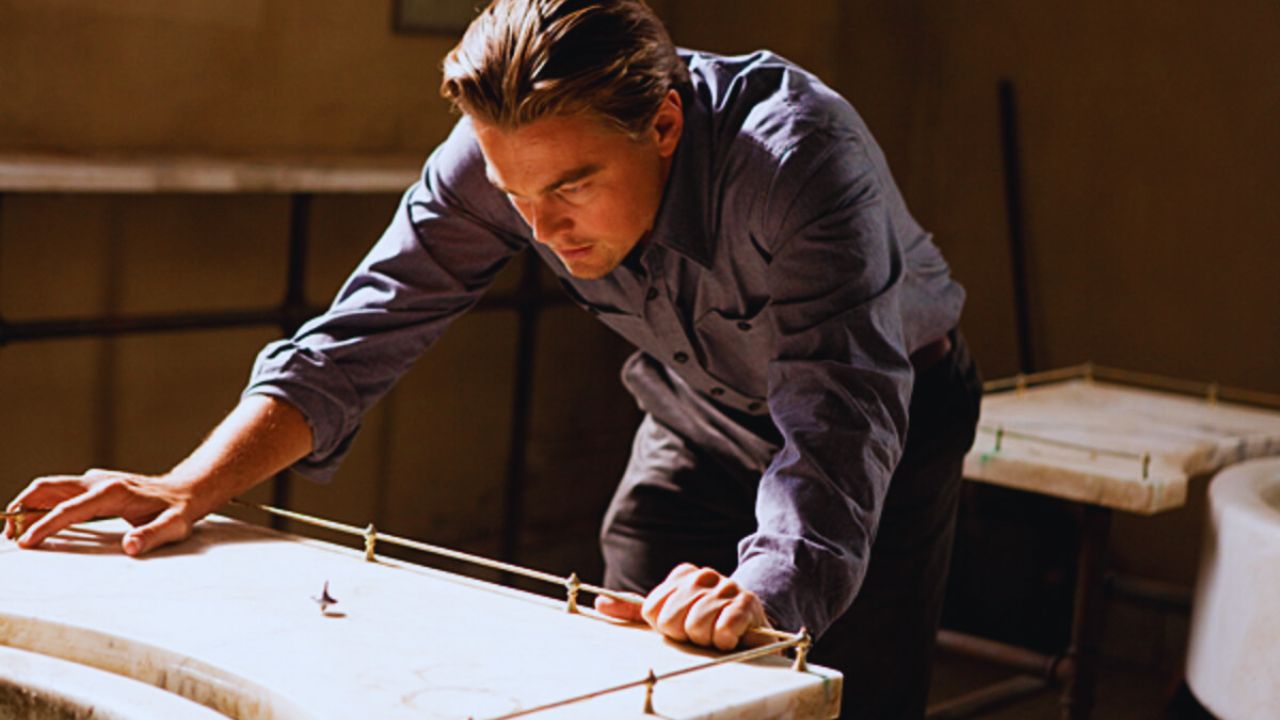
Cobb spins the top to test whether he is dreaming. In dreams, it should keep spinning; in reality, it should wobble and fall.
The final shot cuts before giving a definite answer, although the top appears to falter. That ambiguity is deliberate, but the object is also imperfect evidence because it belonged to Mal. What matters more is what Cobb does after setting it down.
He walks away. The scene shifts from objective proof to emotional release, showing a man who no longer needs certainty to be present.
The Children Matter More Than a Mechanical Answer
Earlier memories trap Cobb’s children in one painful image: they stand with their backs turned, unreachable.
At home, they turn around, and he sees their faces before joining them. The moment does not prove reality through a rulebook, but it completes his emotional movement.
He is no longer staring at the object that once governed his peace of mind. The children become the film’s most human final signal and clearest evidence of connection.
Three Details Make a Rewatch Easier to Follow
On a second viewing, watch how the heist mirrors Cobb’s inner life. These recurring details make the emotional logic clearer without turning every frame into a theory:
- Mal appears when Cobb’s control is most fragile.
- Fischer’s idea grows from a need for his father’s recognition.
- The top matters less once Cobb moves toward his children.
Conclusion: The Film Resolves Cobb Even as It Leaves the World Open
Inception does not require viewers to agree about whether the final scene is waking life or another dream. It offers enough evidence for debate, then changes what matters.
Cobb has spent the film chasing control through rules, totems, and memories he refuses to question. By walking away from the top, he accepts a life that cannot be perfectly verified.
The result is emotional closure without total certainty. That is why the ending lasts: the mystery remains, but Cobb is no longer trapped inside it.