Searches for Severance Main Themes aim to clarify what the show says about work, self, and control. In Season 1, a surgical split creates two selves who share one body yet live separate lives.
Across nine episodes, the story tests consent, autonomy, and identity while satirizing corporate culture that spills into private life. Clear takeaways appear when the plot beats are grouped into the most persistent ideas.
The Setup In One Paragraph
In Lumon Industries, a “Severance” implant flips a person between two states during the elevator ride to the severed floor. The work self, called an innie, remembers only office life.
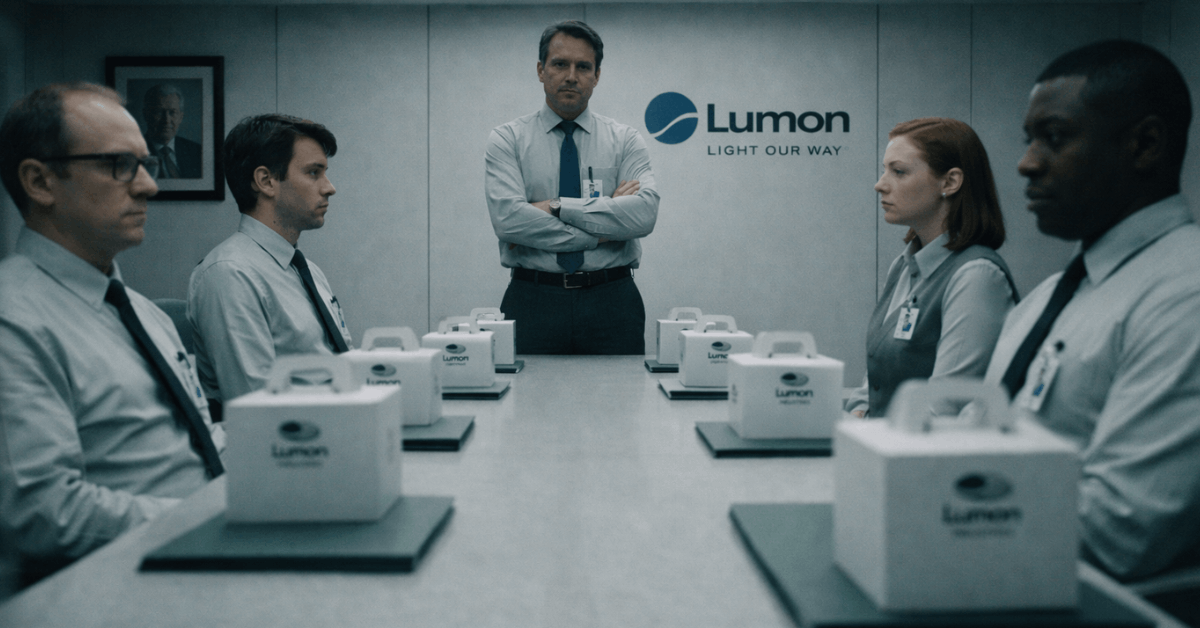
The home self, called an outie, remembers everything outside. Mark leads Macrodata Refinement after his friend Petey disappears, Helly arrives and rebels, and a fragile equilibrium breaks once the team learns there is a way to wake innies in the outside world.
Corporate Control and Exploitation
In the office, authority is absolute. Company rules dictate movement, speech, rewards, and punishment, while surveillance normalizes obedience. Break-room “apologies,” perk rituals, and founder worship turn control into ceremony that feels benign until it harms someone who resists.
Daily life on the severed floor reads like a closed system where dissent is processed rather than heard. In practical terms, corporate control in Severance shows how a workplace can mimic a private government.
Harmony Cobel’s presence on both sides of Mark’s life demonstrates how policy encroaches on privacy when incentives favor outcomes over ethics. The show exaggerates common dynamics to make the point plain: if profit and secrecy outrank human dignity, exploitation becomes procedure.
Identity and Selfhood
Memory anchors identity in most legal and psychological frameworks. Severance attacks that anchor by removing continuity, creating two coherent personas who cannot share experiences. Helly’s outie treats the innie as a tool, while Helly’s innie asserts personhood through action, not permission.
The conflict never relies on theory alone; it shows up in friendships, fear, and choices made under pressure. In daily scenes, identity in Severance surfaces through speech patterns, loyalties, and values that diverge between states.
The innie vs outie meaning lands when Mark’s innie grows into a curious leader while outie Mark drifts in grief. Both are recognizably the same person in body and temperament, yet each lacks the other’s memories, which makes each incomplete until integration is addressed.
Work Life Balance and Escape
Modern work follows people home through screens, notifications, and expectations. Severance offers an extreme solution that walls off stress rather than taming it. Outies gain quiet evenings with no office memories bleeding through.
Innies pay for that quiet by living only at work, where hours loop without weekends, context, or closure. Across Season 1, work life balance in Severance is exposed as a mirage when separation becomes suffering.
Petey’s failed reintegration signals how hard it may be to stitch the split back together once a company controls the switch. The outie may feel better for a time, yet the total cost is borne by the innie who never consented to exist as labor only.
Free Will and Consent
Consent requires capacity, information, and real alternatives. Outies sign forms. Innies cannot choose, cannot quit, and cannot access basic facts about themselves. That gap turns the innie into a second party created by contract, stripped of agency at the source.
The show frames this as a rights issue, not a productivity hack. During the finale, free will in Severance becomes visible when innies claim minutes of external time to act.
Helly speaks publicly against the program, Irving seeks truth, and Mark names a fact that matters to his family. Small windows of autonomy are used to restore dignity, which signals how real consent would change every choice these characters make.
Symbolism That Carries The Message
Visuals keep the themes in view even when dialogue stays quiet. Long white corridors remove orientation and blur distance, making the office feel like a maze built to erase context.
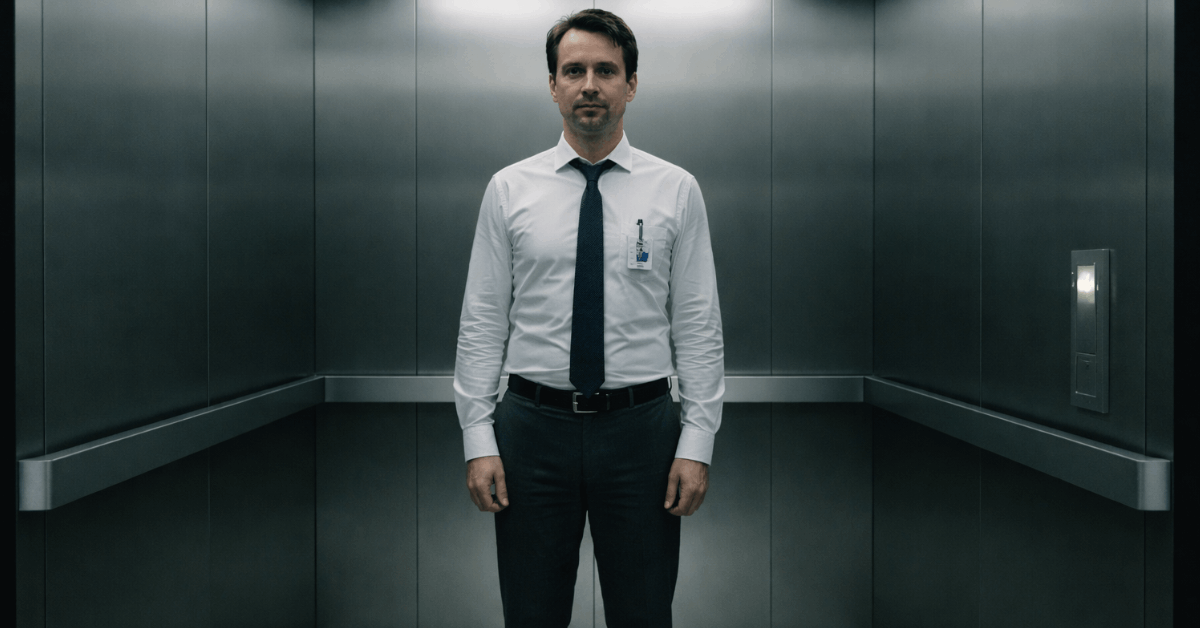
Elevators are thresholds where a person disappears and another arrives, compressing the split into a single button press each day.
In repeat imagery, Severance symbolism explained includes black paint seeping across Irving’s desk, the Perpetuity Wing’s corporate sainthood, prize rituals that turn celebration into control, and a hidden room of baby goats that points to secret experiments.
Neurological and Psychological Angle
Context-dependent memory is real, and the show leans on it to make the elevator switch feel plausible. Language, motor skills, and general knowledge stay intact, while autobiographical memory is gated.
The result looks like induced dissociation that protects one state while depriving the other of a life narrative. Over time, leakage appears. Outie Irving paints a hallway he should not know. Mark’s creative instincts echo a site tied to his grief.
These fragments imply the partition is imperfect and that identity resists strict segmentation. Petey’s collapse after reintegration underlines the risk: slamming two lived streams together may overwhelm a brain that adapted to a split.
Power, Sexism, and Office Hierarchies
Office hierarchies in Severance dramatize how gendered power can shape risk, punishment, and advancement. Men with status are buffered by the system they serve, while women who resist face sharper social and procedural penalties.
Helly’s treatment tracks a common pattern where defiance brings coordinated pressure disguised as care. In scenes outside Lumon, public debate treats severance as lifestyle improvement rather than a civil rights flashpoint.
That framing benefits the powerful, who can outsource harm while pocketing gains. The show counters through characters who name what is happening and demand accountability one small act at a time.
Urban Worldbuilding and Corporate Myth
Cities usually symbolize collapse in apocalyptic stories. Severance flips the logic inside the building. Urban life continues upstairs, while the severed floor operates as a controlled ecosystem engineered by policy, ritual, and fear.
Museum-like exhibits elevate the founder, turning corporate myth into doctrine that replaces civic norms.
Across departments, separation becomes the first rule. Myths about rival teams keep workers apart until curiosity creates cracks. Once people meet across those boundaries, loyalty shifts from company to peers, which accelerates everything the company hopes to prevent.
Not To Be Confused: Ling Ma’s Novel “Severance”
A different work titled Severance tracks themes that echo the show while telling another story. Ling Ma’s novel follows Candace through a pandemic shaped by Shen Fever and charts how global capitalism erodes autonomy even as routines persist.
Consumer culture lingers amid collapse, turning malls and brand habits into monuments that will not die on their own.
Immigrant Identity
Immigrant identity sits at the center of the novel’s quietest moments. Distance, marginalization, and survival shape choices in workplaces and relationships.
Corporate power and sexism appear without sci-fi implants as Candace navigates status games that treat her body and labor as expendable. Urban ecologies matter, since the city remains a living network even when systems fail.
The through line matches the show’s concerns about autonomy and control while focusing on migration, consumption, and memory in a world that keeps selling continuity.
How Research Summaries Frame The Season
Recent multi-source summaries of Severance Season 1 themes tend to cluster around five pillars: corporate authoritarianism, fragmented identity, work life separation, consent, and symbolism.
Those reports also flag neurological plausibility and ethical risk as discussion points, which mirrors academic and bioethics commentary that treats severance as a labor and rights question rather than an office perk debate.
Final Word
In simple terms, Lumon Industries explained is a company that turns people into parts by controlling memory and space. The show builds its case slowly, then lets characters act when a sliver of freedom appears.
Lessons map cleanly to real workplaces: incentives matter, consent must be real, and personhood is not a perk that policy can grant or revoke.