The Killer becomes clearer when you stop expecting a standard assassin thriller to speed up. David Fincher follows a man who wants work, identity, and feeling kept in separate boxes, then shows what happens when one missed shot tears through that arrangement.
This guide follows behavioral clues, style, and choices, showing how little control he has. The plot matters, but the deeper story lies between his polished rules and the damage those rules cannot contain.

Paris Shows a Man Who Treats Routine as Proof
The Paris stakeout is deliberately long. Inside the apartment, the Killer stretches, orders food, watches windows, studies angles, and repeats mantras about patience, empathy, and preparation.
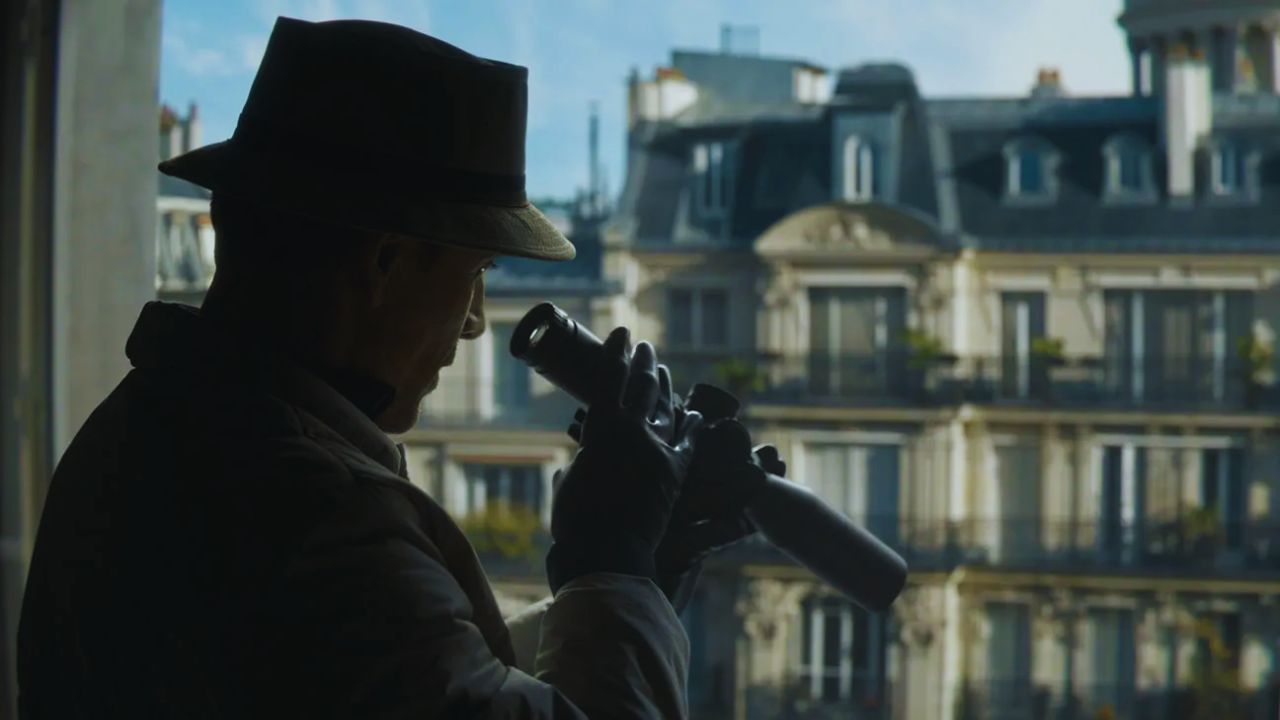
The work looks ceremonial, not glamorous. He believes discipline separates him from ordinary people, yet every repeated action reveals fear of chance. His routine is a shield against uncertainty, and the empty room slowly becomes a private cage.
The Missed Shot Breaks His Private Myth
When the target moves and the bullet misses, the error becomes more than a bad assignment. He has built his identity around preparation and detachment; one near miss makes it fragile. He does not panic aloud.
He repeats his rules more urgently, as if language can repair reality. The failure exposes professional control as self-deception, because no method can eliminate accidents.
A Failed Job Becomes Personal
After Paris, he returns to the Dominican Republic and finds that people connected to the contract have attacked Magdala. He calls it practical, but his definitions cannot be trusted. He is no longer clearing loose ends.
He is reacting to fear, guilt, and attachment—the feelings he insists do not govern him. The shift turns revenge into damage control, while his calm narration hides the change from the audience and himself.
Magdala Is the Part of His Life He Cannot File Away
His home differs from hotels, rentals, and anonymous airport lounges. Magdala gives it continuity, shared routines, and a reason to return. When she is harmed, the life he has kept outside his professional system becomes impossible to ignore.
His response confirms that anonymity has limits and attachment creates risk. It also explains why his retaliation stays emotionally charged, even when every move looks planned.
His Rules Become a Problem When Life Refuses Them
The Killer’s rules are practical for someone who survives through concealment: stick to the plan, avoid empathy, leave no trace, never improvise. The movie treats them as armor, not wisdom. He repeats them before travel and violence to feel separate from others.
As the mission becomes personal, he breaks them more often. That contradiction shows discipline turning into rigidity, useful only until pressure requires judgment rather than repetition.
The Sitcom Aliases Make Identity Disposable
His borrowed names are funny, but show a stable self replaced by reusable identities. At airports, rentals, pharmacies, and hotels, he becomes someone with no past. The aliases prevent attention, yet make visibility feel dangerous.
He does not merely hide from people pursuing him; he avoids being known at all. Each false name turns erasure into habit, showing how disguise has narrowed his life.
Violence Looks Clean Until the Body Pushes Back
Fincher never romanticizes his skill. He plans carefully, chooses tools, and watches targets with patience, but violence remains abrupt and ugly. People become tasks only because he has trained himself to see them that way.
Its coldness makes this unsettling rather than exciting. The focus is moral distance and physical consequence, especially once his own body enters the mess he wanted to manage from far away.
The Brute Fight Destroys the Fantasy of Precision
The Brute fight abandons Paris’s careful geometry. It is close, awkward, exhausting, and full of mistakes. The Killer is thrown, hurt, trapped, and forced to improvise in ways his rules forbid. He wins, but not elegantly.
The fight shows that chaos cannot be fully planned around and vulnerability stays real, even for someone who has built an identity around never needing help or showing fear.
Also Read: What the Finale Confirms About the Story
The Expert Makes Him Hear His Own Excuses
The Expert scene changes the temperature. She is composed and able to describe Magdala’s attack as business rather than malice, using the same detached logic he favors. He shares a drink, listens, and then kills her.
The pause does not make him merciful, but it makes the action harder to call automatic. The scene forces him to confront his own philosophy and its cruelty when it is spoken by someone else.
Chicago Brings the Story to Its Quietest Choice
Claybourne expects the usual revenge ending, yet the Killer does not shoot him. He enters the man’s home, makes his access unmistakable, and leaves him alive with the knowledge that he is vulnerable.
It is not a moral rebirth. It is exhaustion and recognition: another death would not restore what Paris destroyed. His restraint becomes a warning and a limit, showing that power can sometimes mean refusing the action a genre expects.
The Last Voiceover Sounds Less Certain
By the final scenes, the Killer returns to Magdala and repeats his language of discipline, caution, and emotional separation. The words echo Paris, but experience alters their weight. He has improvised, acted from attachment, and learned that survival does not erase fear.
His system remains useful, yet no longer feels complete. The narration becomes a defense mechanism and a fragile performance, rather than a reliable description of who he is.
What to Watch for on a Rewatch
The film rewards attention to small breaks rather than secret twists. Notice when the Killer says one thing and does another, when a rule becomes louder after a mistake, and when ordinary consumer habits make him visible rather than invisible.
They show control slipping and emotion entering before he admits it. Three recurring details are especially useful:
- Repeated mantras grow sharper after plans fail.
- Borrowed names replace an ordinary identity.
- Silence after violence leaves no closure.
Conclusion: He Escapes the Plot, Not Its Consequences
The Killer ends without calling its assassin redeemed, punished, or transformed beyond recognition. He survives and returns home, but the missed shot exposes a weakness retaliation cannot repair.
The change appears in small moments: his pause with the Expert, his battered body after the Brute, and the decision to leave Claybourne alive afterward. On a rewatch, look past the body count and follow the moments where he adjusts, pauses, or lies to himself.
The film’s bleak insight is human limitation and unfinished consequence: discipline can control a schedule, an alias, or an escape route, but it cannot erase what attachment and violence have already changed.