The Killer ending explained follows an assassin who believes work can be stripped of feeling. Routines, aliases, airports, and one missed shot expose the weakness in that discipline.
The film asks whether control can survive consequence once a man who avoids attachment faces the fact that someone he loves has been hurt.
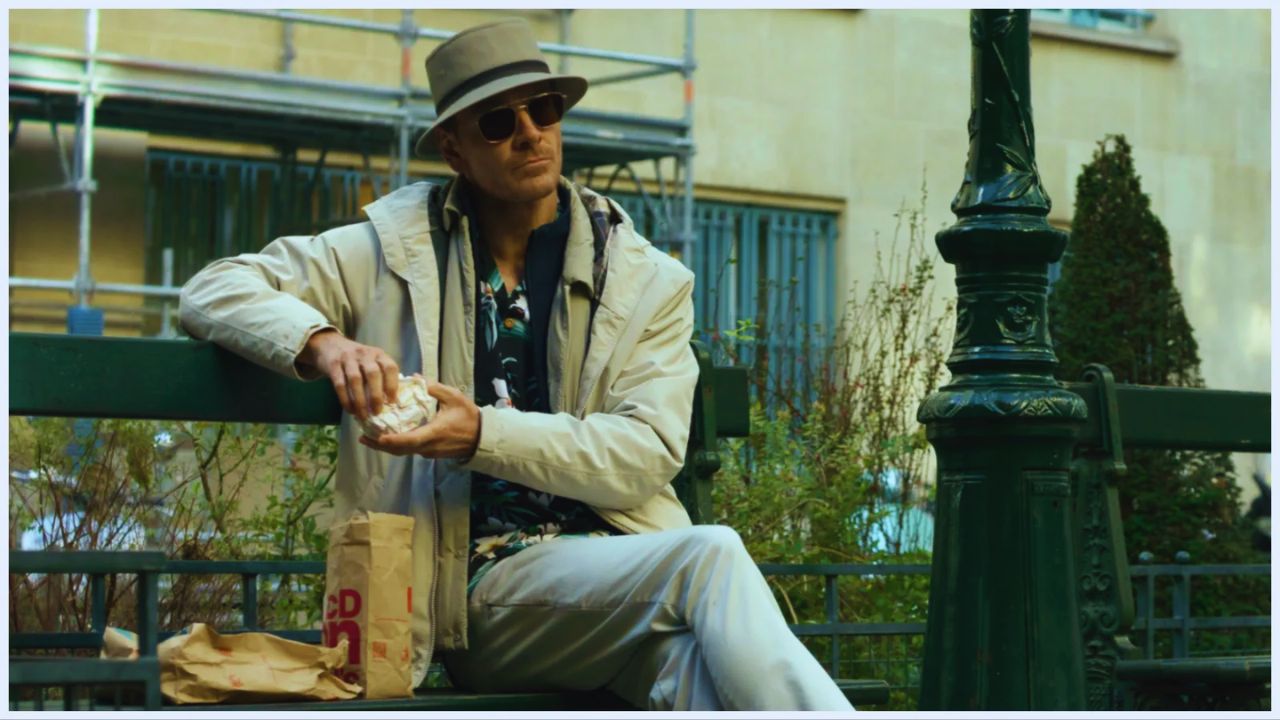
Paris Shows the Comfort and the Trap of His Routine
In Paris, the Killer narrates the rules that keep him steady: wait, watch, avoid empathy, do not improvise. Meals, stretching, music, and surveillance create a ritual that looks impressive until it becomes exhausting.

He has turned habit into proof that he is different from ordinary people. Yet he uses routine to hide uncertainty, because a rigid system leaves no room for the world to behave unexpectedly.
The Missed Shot Damages His Self-Image
The failed hit is evidence that preparation cannot control every movement, delay, or human response. He misses, flees, and repeats his rules with more urgency.
The error threatens his professional identity and his private myth: the belief that he is one of the rare people who never lose command.
His Rules Are Useful, but They Also Keep Him Empty
The Killer’s voiceover presents discipline as survival, and it often works. He changes clothes, studies routes, uses ordinary brands, and treats travel as tasks that leave little trace. But the rules make him emotionally absent.
He does not build a life; he builds exits. His skill depends on anonymity and distance, qualities that protect him while preventing real belonging. The apartment in the Dominican Republic feels different because Magdala has made one private space matter to him.
The Sitcom Aliases Make Disappearance Feel Habitual
His borrowed names are funny in a dry way, but they show how fully he has replaced a stable self with reusable identities. Each alias serves an airport, rental desk, hotel, or payment. None carries a relationship or a past.
Even in public, he is rehearsing erasure and avoidance, not living as someone who can be known. The aliases are meant to be disposable, but they also hint that he has forgotten how to be anything else.
The Attack on Magdala Makes the Mission Personal
After the failed contract, people above him send others to his Dominican Republic home, where Magdala is attacked.
He can insist his response is procedural, but every later move now comes from fear and guilt. His careful separation has failed. The attack turns revenge into damage control, though calm narration hides the difference.
The Fight With the Brute Breaks the Fantasy of Precision
The fight with the Brute is loud, clumsy, and physically draining, the opposite of his preferred method. There are no perfect sightlines or distant exits, only weight, panic, pain, and improvisation. He wins, but not cleanly.
His body has to absorb the chaos his rules were designed to avoid, and violence becomes exposure rather than procedure. The scene makes clear that his body can be surprised, injured, and scared no matter how well he prepares.
The Expert Gives Him a Chance to Hear His Own Logic
His meeting with the Expert slows the story after the fight. She says the attack was business, not personal, echoing his own detached worldview.
He listens, shares a meal, and still kills her. He hears his own philosophy spoken back to him and learns how cold it sounds when another person uses it to justify harm. The pause does not stop him, but it breaks the illusion that his work has ever been morally neutral.
Claybourne’s Survival Is Restraint, Not Redemption
At the end, the Killer reaches Claybourne, whose complaint helped set retaliation in motion. He threatens him, proves he knows where he lives, and leaves him alive. Another killing would not restore the order he lost.
Sparing Claybourne is a calculated act of power and warning, not moral awakening. Claybourne is left with the kind of uncertainty the Killer has spent the film trying to prevent for himself.
The Ending Leaves Him With the Same Problem
Returning to Magdala completes the retaliation but not the flaw in himself. The final voiceover returns to rules, preparation, and emotional distance, yet sounds weaker.
He has improvised and acted from attachment, discovering that survival does not equal peace. His system stands, but no longer convinces from within. He has learned that even the cleanest routine cannot remove the emotional cost of a choice already made.
Fincher Uses Stillness to Show a Man Coming Apart
Clean frames, gray offices, hotel rooms, and long waits reflect the Killer’s wish to make life manageable. Small disruptions then stand out: a moving target, phone call, locked door, or body that refuses to cooperate.
The world stays outwardly controlled while he becomes increasingly unstable, making the thriller more unsettling than a louder revenge story. Rather than announce a breakdown, the film lets its neat surfaces make every crack look sharper.
Also Read: The Killer: Movie Explained for First-Time Viewers
Sound and Voiceover Keep Exposing What He Denies
Voiceover tells viewers what the Killer wants to believe, while silence and pauses show where belief breaks down. His playlists create a shield but cannot make killing neutral. Notice when he repeats a rule after a mistake, or when ordinary sound replaces music.
These moments make self-deception audible; narration is another routine keeping fear at distance. The effect is quietly comic at times, then chilling when the same calm language accompanies violence.
What to Watch for on a Second Viewing
A rewatch works best when you follow the gap between the Killer’s rules and actions. Notice when he will not improvise, then changes a plan; claims detachment, then protects a home; or calls an emotional decision practical.
These contradictions are the film’s clearest clues. They explain why the film’s restraint matters more than a conventional action-movie payoff:
- His mantras grow sharper whenever control is slipping.
- His borrowed names make identity feel disposable.
- His final restraint leaves fear, not closure.
Conclusion: The Killer Cannot Escape the Person Inside the Method
The Killer ends without turning its assassin into a hero or making revenge cleansing. He remains capable, alive, and insulated by money, aliases, and discipline, but he has seen their limits. The missed shot opens a crack retaliation cannot seal.
On a rewatch, focus less on who dies than what each action costs him. The final insight is bleak and human: a person can control movement, erase a name, and hide feeling, yet still carry every consequence.
His quiet return home is not a restoration of order; it is a reminder that order was never as complete as he claimed.