The Lost Daughter explores a woman facing the weight of past decisions. It uses story details that add new meaning to her quiet, troubled journey.
Leda’s vacation turns into a mirror of guilt, memory, and identity. This article highlights the subtle cues that reshape her emotional arc.
Fragmented Memory and Leda’s State of Mind
The film uses a fragmented structure to reflect Leda’s unstable perspective. These elements are not random—they serve a clear psychological purpose.
By disrupting the timeline, the movie pulls viewers into Leda’s fractured emotional state. Her reactions, pauses, and silence become tools of storytelling.
What feels like stillness is filled with internal conflict. This form reflects how memory works under the influence of guilt.
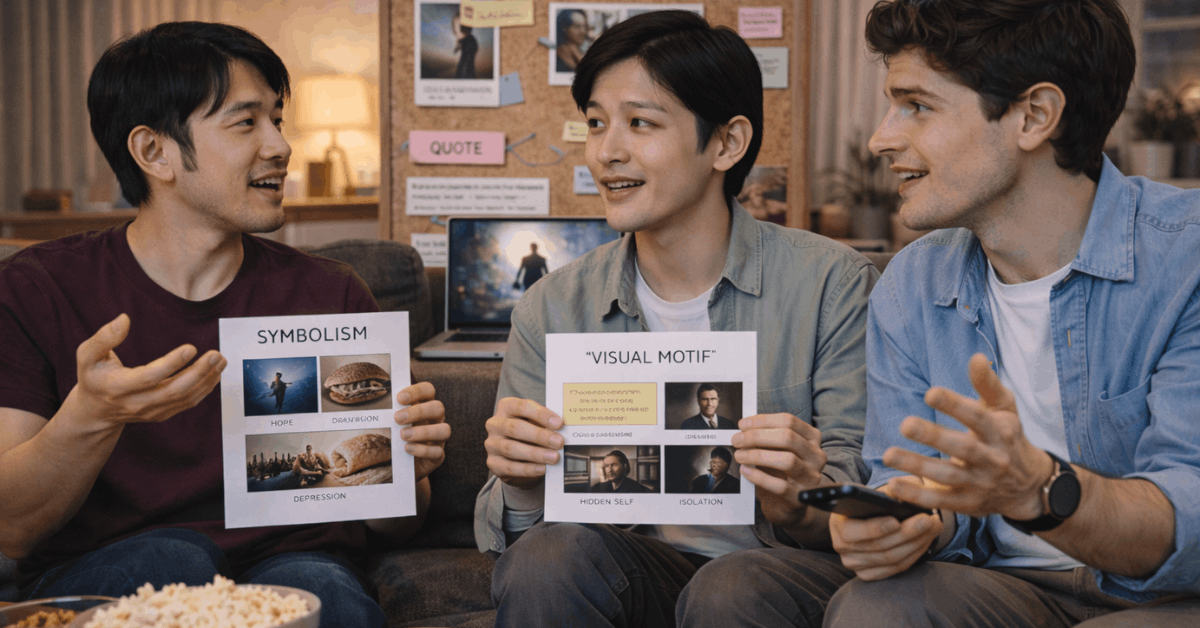
Unreliable Flashbacks
Flashbacks are scattered and incomplete. They do not explain; they disturb. Jesse Buckley plays young Leda with rawness that adds tension to Olivia Colman’s performance.
Each flashback mirrors a trigger in the present. This connection shapes how we interpret Leda’s decisions.
Subtle Fixation on Nina
Nina is more than a new acquaintance—she reflects Leda’s younger self. Her gestures and tone spark memories Leda has tried to suppress.
Their interactions are loaded with unspoken comparisons. Every scene they share contains symbolic tension. These moments are critical to the film’s emotional progression.
Objects with Symbolic Weight
Some objects gain greater significance with repeated viewings. These symbols carry emotional and narrative functions. They represent guilt, memory, and identity.
The meaning isn’t given—it is built slowly. These visual cues reveal Leda’s internal struggle. Once noticed, they alter how we judge her.
The Missing Doll
The doll is not just a plot device. It holds layers of meaning. Leda hides it, just as she hides parts of her own history.
Its absence echoes abandonment. Its return forces Leda to confront a truth she tried to avoid.
The Orange Peeling Motif
Leda peels an orange the way she once did for her daughters. The moment seems calm, but is full of subtext. The repetition across timelines builds emotional connection.
It shows how gestures preserve memory. The fruit becomes a quiet symbol of motherhood and regret.
Two Roles, One Conflict
This section explores how past and present versions of Leda shape her emotional dissonance. These story details emerge slowly but redefine key interactions. Let’s break it down further.
Young Leda’s Escape
Young Leda leaves her daughters to pursue intellectual freedom. The scene is not glorified. It is abrupt and cold.
But it explains the hollow tone we see in older Leda. It exposes the root of her guilt.
Academic Versus Maternal Identity
A scene with Professor Hardy shows how validation reshapes identity. For Leda, being noticed for her mind is intoxicating.
It creates a divide between ambition and caretaking. This tension defines her future choices.
Leda’s Return and Resentment
Returning to her children wasn’t redemptive—it was strategic. She doesn’t return out of love, but out of obligation.
That complicates viewer sympathy. These nuances change how we perceive her remorse in the present.
Mirrored Relationships and Emotional Echoes
This section looks at how Leda sees herself in Nina and Elena. The parallels are subtle but critical.
Their stories intertwine to build emotional depth. These mirror effects unlock a more complete reading of the film.
Nina as the Emotional Reflection
Nina’s stress, distance, and isolation resonate with Leda’s past. Their bonding is surface-level but emotionally loaded.
Nina doesn’t know she’s being observed. Leda sees her as a version of herself she abandoned.
Elena’s Symbolic Role
Elena is more than a child in distress. She becomes a projection of Leda’s unresolved trauma.
Her disappearance echoes Leda’s abandonment of her daughters. Her return doesn’t resolve tension—it intensifies it.
The Setting as Internal Landscape
The beach, the apartment, and natural sounds work as emotional mirrors. This environmental design deepens the viewer’s understanding of Leda. Let’s examine how atmosphere and audio affect interpretation.
Isolation by Design
The beach setting appears tranquil. But it isolates Leda. Other characters are present, but emotional contact is rare. Nature becomes the only constant. Its presence emphasizes disconnection.
The Use of Sound and Silence
Silence dominates the film. Dialogues are sparse and interrupted. Sounds like waves and insects become emotional signals.
The quiet demands attention to visual detail. Emotion is heard more than spoken.
The Final Scene and Its Many Readings
This section explains why the ending remains ambiguous. Viewers debate what is real and what is imagined.
These interpretations depend on details planted earlier. When caught, these clues reshape everything.

Physical Pain or Metaphor?
Leda’s injury scene leaves room for multiple interpretations. Some clues hint at a literal wound, others point to symbolism. The truth may be both, and this ambiguity deepens her emotional arc.
- Blood may signal real consequences from her choices.
- Her calm reaction suggests emotional acceptance or even freedom.
- The injury shifts between physical pain and psychological release.
- Viewers must decide what they believe, and this tension is deliberate.
- The lack of clarity forces a final personal interpretation of Leda’s story.
Phone Call with Her Daughters
The final phone call is ambiguous. Are the daughters real, or is it imagined? Her tone is casual, not desperate.
The moment suggests she may finally be honest. That changes how we judge her arc.
Why Every Detail Counts in This Film?
Some viewers may find The Lost Daughter slow on first watch. But a second viewing reveals new emotional clarity. The film rewards attention to detail. What seems mundane carries weight.
These are story details that add new meaning to every scene. Watching closely shifts the entire emotional experience.
What This Film Really Teaches?
The Lost Daughter is about more than motherhood or guilt—it is about honesty. It does not offer clear moral lessons but invites critical reflection.
The hidden symbols, gestures, and silences reshape Leda’s story on every rewatch. If you missed them the first time, now you know where to look.