The final scene of The Sopranos left millions of viewers stunned and confused. The Meaning Behind the Final Scene remains one of the most debated television endings in modern history.
Viewers still argue whether Tony Soprano died or kept living in a state of constant fear. This article breaks down every key element to help you understand what really happened.
Tony’s Final Moments in the Diner
Tony enters Holsten’s diner and chooses a booth while scanning the environment. He plays “Don’t Stop Believin’” on the jukebox, a lighthearted moment in contrast to the tension.
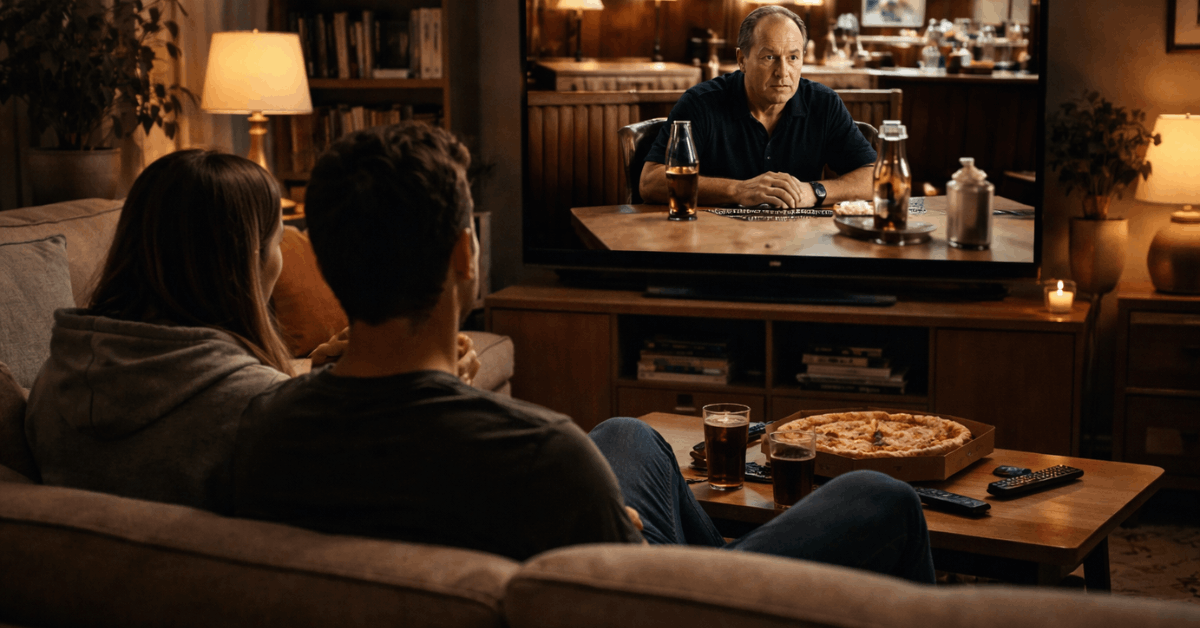
Carmela and AJ arrive and sit down with him. Meanwhile, Meadow struggles to park her car outside.
The camera cuts between Tony’s face, customers, and the front door. The scene ends abruptly when Tony looks up and the screen turns black.
The Sudden Blackout and Viewer Reactions
The screen goes completely black with no sound, no music, and no credits. Many viewers initially thought their TV had glitched.
The blackout lasts ten seconds, creating a feeling of emptiness and silence. The absence of resolution forces viewers to fill in the gaps.
It was a deliberate choice that changed how people saw the episode. That moment became one of TV’s most talked-about endings.
Fan Interpretations of the Final Scene
This section explains the two most common interpretations among fans.
Tony Was Killed in the Diner
Some viewers believe Tony was assassinated at that exact moment. The man in the Members Only jacket is seen heading to the bathroom just before the blackout.
Fans reference the earlier quote, “you probably don’t even hear it when it happens.” The abrupt silence supports the theory of sudden death.
Many interpret the black screen as Tony’s instant loss of consciousness. The visual evidence backs up the idea that he was shot.
Tony Survives, But Lives in Fear
Others believe Tony wasn’t killed, but lives under constant threat. He watches every person who enters the diner.
The editing mirrors paranoia, putting viewers in Tony’s head. The blackout symbolizes how his life is now full of tension and unpredictability.
Every day feels like the last. In this reading, the ending shows that Tony’s punishment is endless anxiety.
Symbolism in Music and Editing
This section explains how technical choices support the emotional impact.
“Don’t Stop Believin’” and Its Meaning
The upbeat tone of the song contrasts with the unease in the scene. The lyrics about not giving up reflect Tony’s denial of danger.
The music stops mid-lyric, which unsettles the viewer. It’s not just a soundtrack—it becomes part of the story.
The use of classic rock in a tragic moment feels deliberate. The message is: even as you try to move forward, the threat remains.
Editing Techniques and Shot Repetition
The editing creates a predictable rhythm that builds suspense. Each bell ring cues a cut to the door and then Tony’s reaction.
The camera work puts viewers into Tony’s point of view. The repetition increases anxiety instead of releasing it.
When the rhythm is broken by silence, it feels shocking. The editing guides your emotions carefully.
Clues from Earlier in the Series
The series gave viewers hints that gain meaning in the final scene.
Bobby’s Conversation About Sudden Death
In Season 6, Bobby tells Tony, “you probably don’t even hear it when it happens.” This line becomes a key piece of foreshadowing.
Bobby’s own death was sudden and silent, reinforcing the concept. The cut to black mimics that silence. Viewers now see this line as a direct clue. It was there all along, hidden in plain sight.
Point-of-View Framing and Consciousness
The show often uses Tony’s point of view to frame scenes. In the final moments, the doorbell rings, and Tony looks up.
The screen cuts to black, as if Tony’s perspective ends. This method makes the scene feel first-person and final.
The use of darkness as a final POV is powerful. It implies that the viewer and Tony share the same last moment.
What David Chase Has Said?
This section examines the creator’s public comments on the ending.
Chase Intentionally Left It Open
David Chase designed the ending to spark discussion. He has never confirmed whether Tony died. He believes ambiguity can be more powerful than closure.
In interviews, he’s said the scene is about perception and reality, not just events. Chase wanted the ending to be remembered, and it was. His refusal to explain keeps the mystery alive.
The “Death Scene” Slip-Up
In 2021, Chase referred to the scene as a “death scene” in an interview. He later tried to walk it back, saying he was misquoted.
Fans latched onto this quote as unintended confirmation. The comment fueled renewed online debates.
It remains one of the most cited statements about the finale. Whether intentional or not, it added to the scene’s legacy.
Viewer Experience and Psychological Impact
The blackout places viewers in Tony’s shoes, even if just for a second. The tension, silence, and darkness leave the viewer unsettled.
By removing closure, the show demands interpretation and reflection. There’s no answer, just the experience of uncertainty. The effect lasts beyond the episode. That’s what makes the ending unforgettable.
Legacy of the Final Scene
The show proved that final episodes don’t need answers. Its impact can be seen in Breaking Bad, Mad Men, and Better Call Saul.
It introduced the idea that endings could be emotional and unresolved. It invited deep analysis, not just consumption. Viewers still discuss it years later. That’s a sign of effective storytelling.
The Final Scene Dissected
This section breaks down how the final scene was crafted.
Structure and Suspense
The repetition of the bell and door opens creates a loop of anxiety. Tony’s reactions show his internal fear. The timing of Meadow parking delays the moment.
It keeps you waiting for resolution. That loop builds a psychological trap. Then everything cuts off.
Silence as a Message
The silence is not just audio—it’s a form of narrative. It implies something final without stating it. Death, fear, or blackout—any reading fits.
The lack of music at the end contrasts with the song’s theme. That sharp contrast hits the hardest. Silence becomes the final character.
How the Ending Influenced Other Shows?
After The Sopranos, more creators embraced open endings. Some shows used silence, while others used flash-forwards or time jumps.
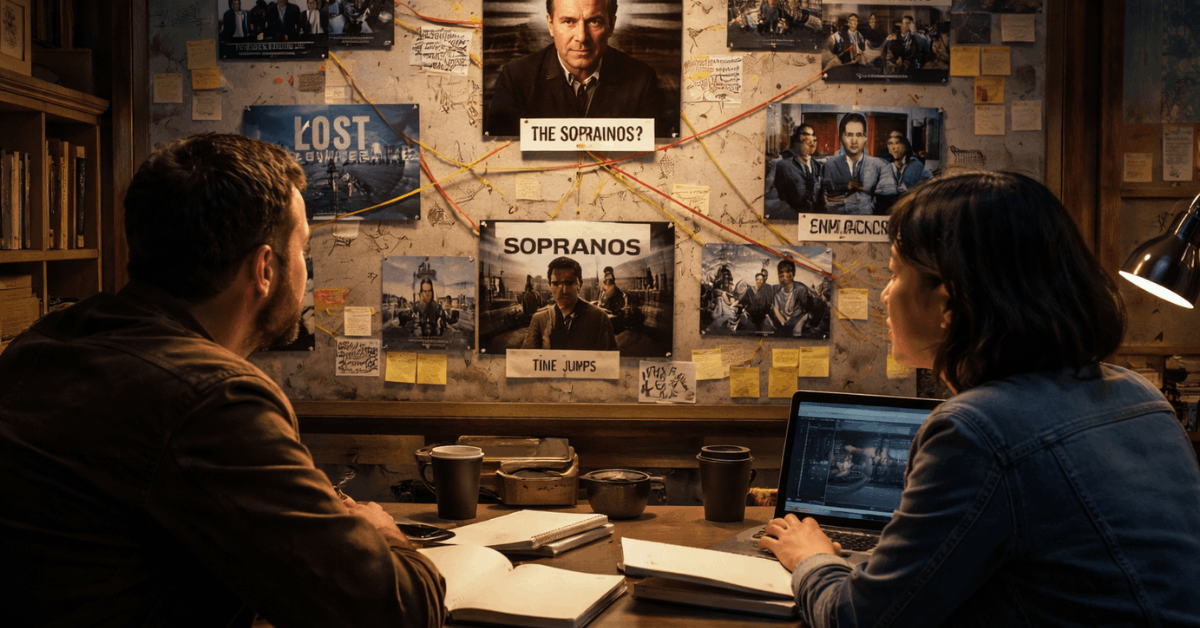
The trend was set by how effectively The Sopranos used ambiguity. Shows like Lost, The Leftovers, and The Americans experimented more.
Even series finales in comedies began taking risks. The influence continues in modern streaming dramas.
Why We’re Still Talking About It?
The Meaning Behind the Final Scene is still debated because it wasn’t meant to be solved. It was designed to be felt. Whether Tony died or not, what matters is how the scene made you feel.
That unease—that silence—is the answer. And it’s why the scene has never been forgotten.