The Netflix thriller Reptile presents a slow-burn mystery filled with doubt, silence, and hidden truths.
Many viewers were left puzzled by the ending, seeking answers that connect all the film’s clues.
This article provides a movie ending explained in simple terms so you can finally understand what happened. We’ll walk through the key events, the final reveal, and what it all means.
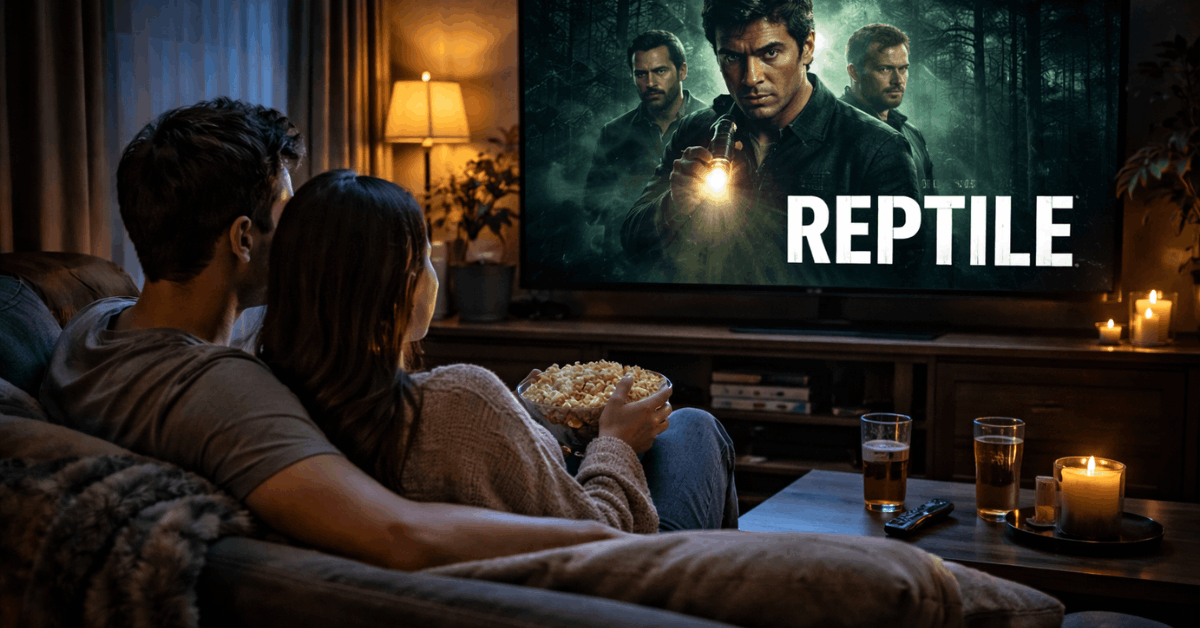
What the Crime Looks Like at First?
The story begins with a brutal murder and a detective assigned to find the truth. The victim, Summer Elswick, is found dead in a house she was trying to sell.
Her boyfriend Will Grady, the son of a powerful real estate figure, becomes an immediate suspect. Detective Tom Nichols leads the investigation and quickly notices inconsistencies in the case.
Everyone close to the victim seems to be hiding something. Will appears guilty, but there is no clear evidence tying him to the crime. Tom’s instincts suggest the situation is more complex than it looks. As the investigation deepens, a network of lies starts to emerge.
Initial Suspects and Twists in the Investigation
The film introduces several potential suspects early on. These include Will, Summer’s boyfriend; Eli, her quiet ex-partner; and Sam, a real estate associate with unclear motives.
Each character is framed in ways that make them look suspicious at different moments. This constant doubt keeps viewers guessing. Even Judy, Tom’s wife, shows signs of unease that raise questions.
A break-in at Tom’s home increases tension and suggests intimidation. These moments are meant to misdirect the audience. The film carefully pushes viewers away from the real truth.
Clues That Slowly Lead to the Truth
The movie plants subtle clues that only fully make sense near the end. These details are easy to miss on a first watch.
The Misdirection Through Character Behavior
Several characters appear guilty due to silence, distance, or odd behavior. Eli’s withdrawal and Will’s lack of emotion suggest guilt.
These are intentional red herrings used to distract viewers. The real danger lies elsewhere.
Hidden Clues in Dialogue and Paper Trails
Tom uncovers documents and records tied to questionable real estate deals. These files point to illegal property seizures.
The murder begins to connect to financial corruption. These discoveries shift the case from personal to systemic.
The Real Villain: Systemic Corruption
The investigation reveals the murder was part of a larger criminal operation. Tom discovers members of his own police department are involved in real estate fraud.
Captain Allen and others manipulate investigations to seize valuable properties. Summer learned about the scheme and became a liability.
Her death was meant to protect the operation. The film reframes the crime as a story about power abuse and silence.
The Final Scene: What It Really Means
The ending resolves the mystery without dramatic confrontation. Its impact comes from quiet decisions, not action.
Tom’s Decision to Act Alone
Tom realizes the system around him is deeply compromised. He gathers evidence and sends it to outside authorities. He no longer trusts internal justice. His choice marks a personal moral stand.
The Symbolic Closing Moments
The final shots are muted and restrained. Tom leaves the house with clarity, not victory. The music underscores a sense of uneasy resolution. Justice happens, but it feels incomplete.
Fan Confusion and Common Questions
Many viewers had lingering questions after the credits rolled. Below are clarifications to common points of confusion.
- Was Judy involved in the crime? Judy was not part of the corruption but sensed something was wrong. Her anxiety reflects fear, not guilt.
- Why was the pacing so slow? The film mirrors real investigative work, focusing on observation rather than action.
- What does the lizard imagery suggest? The lizard symbolizes adaptation and concealment, reflecting how corruption hides in plain sight.
These details were designed to create unease, not confusion. The answers are subtle but consistent.
How ‘Reptile’ Stands Out on Netflix?
Compared to other Netflix thrillers, Reptile favors atmosphere over action. It relies on tension, not spectacle.
Slower Pace, Stronger Payoff
Unlike fast-paced series such as The Night Agent, this film moves deliberately. Suspicion builds gradually. This approach makes the twist feel earned and logical. Patience is rewarded.
A Darker and More Grounded Narrative
The story avoids romantic drama or flashy twists. It focuses on institutional decay and moral compromise. This makes the film feel closer to reality. The discomfort is intentional.
The Role of Visual Style in the Ending
The film’s ending works because of its strong visual direction. Every shot supports the tone. The lighting is always dim, muted, or natural. It builds a feeling of discomfort without stating it.
The final scenes use long takes and minimal cuts, which force the viewer to stay present. Even the clothing and props reflect a washed-out realism.
These choices help the ending feel slow but meaningful. It doesn’t push emotions—it lets you feel the weight of silence.
Dialogue and Sound: Building Silent Tension
Much of the suspense in Reptile comes from what is not said. This style affects how the ending lands.
Minimal Dialogue With Heavy Meaning
Characters speak in short lines, often trailing off. Key phrases are buried in casual talk, making them easy to miss.
The silence between lines creates natural unease. The film trusts viewers to pay close attention.
Sound Design That Emphasizes Stillness
The soundtrack avoids overuse of music. Scenes often include background hums, creaking wood, or subtle noises.
The absence of sound adds to the feeling of isolation. This is key in making the final scene resonate.
One Twist, Many Layers
The final twist is not just surprising. It is carefully constructed and layered.
- A personal crime reveals systemic abuse. One murder exposes widespread wrongdoing.
- Authority figures are complicit. Trust in institutions is deliberately challenged.
- The detective must break away. Tom’s choice defines the ending’s emotional weight.
Each layer builds toward a quiet but powerful conclusion. The impact comes from recognition, not shock.
Why It’s Worth a Second Watch?
On a first viewing, the film can feel confusing or restrained. A second watch reveals how carefully it is built.
Small gestures, background details, and casual lines carry new meaning. The performances become clearer. The structure feels intentional and precise. It rewards attentive viewers.
A Final Look at the Truth Behind the Silence
Some thrillers rely on shock, but Reptile chooses quiet exposure. The film’s movie ending explained in simple terms reveals a man standing against a corrupt system.
The story focuses on truth, power, and moral choice, not spectacle. With this understanding, the ending becomes clear, grounded, and lasting.