



Home Blog

How the Movie’s Structure Works: Unlocking Plot Secrets for Movie Lovers

0

Understanding how a movie’s structure works can completely change the way you watch films. If you’ve ever asked why some stories flow so well, or how endings can shock or satisfy us, it likely comes down to the structure hiding just below the surface. This article is for movie enthusiasts, binge-watchers, and curious viewers who want to unlock the mechanics behind their favorite films. By reading on, you’ll see stories in a whole new light—and perhaps enjoy movies just a bit more.

Why Movie Structure Matters in Modern Storytelling

The structure of a movie shapes how audiences experience the story. While it can seem invisible, it’s often what keeps us glued to the screen or leaves us thinking about a film days later. Movie structure determines plot pace, character development, and emotional impact. Even casual viewers benefit from understanding this; you’ll spot patterns, predict twists, or simply enjoy the ride more.

The Classic Three-Act Structure Explained

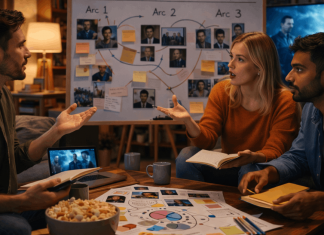
Most mainstream movies, especially blockbusters, follow what’s called the three-act structure . This doesn’t mean every film has to, but it’s the most familiar shape for a reason. Let’s break it down:

Image 2

Act One: The Setup

Here, the world, main characters, and central problem are introduced. By the end of Act One, there’s usually a major event—the inciting incident —that changes everything. Think of it as the push that starts the adventure.

Act Two: The Confrontation

This is where most of the action happens. The protagonist faces obstacles, forms alliances, maybe makes mistakes. The second act can sometimes feel slow if not done right, but at its best, it keeps raising the stakes.

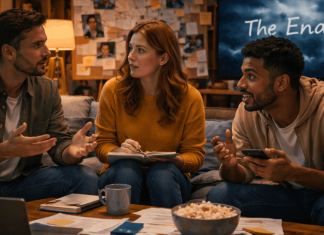
Image 1

Act Three: The Resolution

Now comes the climax and the fallout—the story’s final test, followed by emotional closure. The pace quickens. Most plotlines tie up here, though some films leave certain questions unresolved to provoke thought or set up sequels.

Popular Variations on Movie Structure

But not every movie sticks to the classic formula. Filmmakers often bend or break the rules to create something memorable. Let’s look at a few common variations:

The Hero’s Journey

Inspired by Joseph Campbell, this is essentially a roadmap for epic adventures, especially seen in fantasy and sci-fi. Here’s a rough outline:

  • Ordinary world: Meet the hero in their usual environment
  • Call to adventure: Something challenges their world
  • Trials and allies: Tests, friendships, maybe some enemies
  • Ordeal/climax: The greatest challenge
  • Return: Hero comes home changed

Films like “Star Wars” and “The Lord of the Rings” follow this almost religiously, but you’ll spot it in dramas and comedies too.

Nonlinear Narratives

Some movies, like “Pulp Fiction” or “Memento,” play with time—jumping back and forth between scenes. This technique keeps audiences guessing and often makes for memorable re-watches. While nonlinear structures can be confusing at first, they reward close attention.

Anthology and Multiple Plotlines

Films such as “Love Actually” or “Crash” weave together separate stories that intersect. Sometimes, these separate arcs support a central theme more than a central plot. The effect can be both sprawling and intimate—admittedly, not everyone’s cup of tea.

How Structure Shapes Character & Tone

Movie structure isn’t just about what happens; it’s also about who changes, when, and how. Structure determines when we connect with characters—whether during their struggles or their moments of triumph. In thrillers, quick scene changes build suspense. In coming-of-age films, longer arcs foster empathy. That’s why it’s so crucial to understand the bones of the story.

Recognizing Structure in Your Favorite Films

Movie Title  Structure Used  Key Moment 
Avengers: Endgame  Three-Act  Time Heist (Inciting) 
Star Wars: A New Hope  Hero’s Journey  Leaving Tatooine 
Pulp Fiction  Nonlinear  Out-of-order storytelling 
Love Actually  Anthology  Intersecting romances 

Try mapping out your favorite movie using these labels. It’s surprisingly revealing. Are there films that seem to mix more than one type? Absolutely. While “Avengers: Endgame” is a classic three-act, it still borrows hero’s journey beats too. Realistically, most films aren’t pure examples.

Chronological Order vs. Narrative Order

This is where things get interesting for true movie buffs. Some films unfold strictly by chronological order , while others obey narrative logic. In “The Godfather Part II,” for example, the two timelines are intercut for maximum emotional impact—not in the sequence they unfolded in real time. Streaming guides often include recommended viewing orders for just this reason!

Unlocking Clues from Summaries and Endings

Want to get more out of your viewing? Summaries and ending explanations often reveal key structural decisions. Why was that shocking twist at the end of “Shutter Island” so effective? Because the whole movie’s structure built up ambiguity and tension from the start.

Tips for Spotting and Understanding Movie Structure

  • Pause at major events (deaths, revelations, new alliances)—are they turning points?
  • Does the pace change after these moments?
  • Pay attention to scene order—are flashbacks or shifting perspectives present?
  • Check if character arcs finish before, at, or after the story’s main climax.

You might find that, over time, you’re predicting twists or better able to appreciate artistic risks. I find it sometimes takes a second watch to really notice these patterns. Not every film rewards this, but those that do are often the ones we call classics.

How Streaming Platforms and Series Adapt Movie Structure

Streaming giants like Netflix and Disney+ have changed how and when we encounter movie structures. Original movies sometimes adopt serial forms—essentially creating long-form arcs more common to television. As a result, you’ll see structural experimentation everywhere. Anthology films or projects split into chapters (“The Ballad of Buster Scruggs”) mesh episodic style with classic movie frameworks.

Where to Find More In-Depth Movie Guides

If you want a deeper dive, our chronological order guides and ending explanations cover hundreds of popular titles. There’s a lot to learn from seeing how structure underpins different genres, from horror to comedy to drama. For official breakdowns, resources like the IMDb plot summaries can also be helpful.

Conclusion: Start Watching with an Eye for Structure

Understanding how a movie’s structure works is almost like learning a new language. The more you watch, the more you notice the signals. Next time you stream a film, look for the shape beneath the story—the beats, the turning points, and the way endings reflect beginnings. Want more secrets? Check out our latest main-plot breakdowns or subscribe for weekly watch guides. Unlock the true mechanics behind everything you watch!

Dark The Complete Story Explained: What Really Happens in This Series

0

In a small German town, disappearances expose a time knot that binds four families across generations. A clear question opens the door, then the scale widens into fate, causality, and grief. 

Readers searching for a Dark complete story recap need a straight timeline, plain definitions, and a precise ending walkthrough. This guide lays out the structure, the forces at play, and how the finale resolves the loop.

Quick Summary Of The Dark Complete Story

In Winden, missing children trigger an investigation that quietly becomes a time-travel mystery spanning three linked realities. Caves connect 1953, 1986, and 2019 in repeating 33-year cycles

Dark The Complete Story Explained: What Really Happens in This Series
Dark Complete Story

Travelers move events that already happened, creating bootstrap loops where effects become their own causes. Jonas Kahnwald learns that his older selves orchestrate and resist the same catastrophe. Martha Nielsen mirrors that journey across a second reality.

Origin World

In the background sits the Origin World, where clockmaker H. G. Tannhaus loses his son, daughter-in-law, and grandchild in 1971. Grief pushes him to build a device in 1986 that fractures reality. 

Two knotted offshoots emerge, later known as Adam’s World and Eva’s World. Every paradox in the show grows out of that single failure. Claudia Tiedemann eventually maps the knot, finds the true source, and gives Jonas and Martha one actionable path.

The Finale

During the finale, Jonas and Martha travel through the rift at the 1986 explosion, reach the Origin World, and prevent the car crash that started Tannhaus’s obsession. Without the tragedy, he never builds the device. The two knotted worlds end, the loop dissolves, and a grounded Winden remains.

Timeline and Worlds In One View

A tight view helps anchor every reveal and flashback later.

  • Adam’s World: The main setting across Seasons 1 and 2, home to Jonas, Ulrich, Katharina, and the four families.
  • Eva’s World: A mirrored reality revealed at the end of Season 2, where Martha leads a faction preserving the knot.
  • Origin World: The baseline reality where Tannhaus’s grief experiment occurs in 1986 after a 1971 family loss.
  • Cycles And Rifts: A 33-year rhythm links 1953, 1986, and 2019, then 1920, 2052, and other nodes through machine travel.
  • Apocalypses: Energy events in 2020 and 2019 freeze time briefly, enabling cross-reality intervention during the finale.

How The Mystery Starts: Missing Children To Time Loop

In the pilot, a group of teens heads toward the Winden caves and one boy does not return. Police procedures, family tensions, and rumor mills feel familiar at first, which keeps attention on character motives rather than jargon. 

Clues pile up that cannot fit a single timeline, including items that appear older than they should and people who know things they should not. 

The investigation cracks when a boy turns up in the past bearing modern marks. That moment reframes the case as a temporal riddle rather than a local crime.

Why The Plot Feels Complex Yet Coherent

In practice, the series limits breadth while deepening the same set of people across stages of life. Viewers meet roughly two dozen primary characters early, then revisit them as children, adults, and elders. 

Scenes repeat in later episodes from new vantage points, revealing how older versions steered outcomes that once looked accidental. 

Familiar beats return with new context, like the cave sequence with Mikkel or the apocalyptic corridor where Jonas sees Martha die. Complexity rises through layering, not through endless new subplots.

Key Forces and Goals: Adam, Eva, Claudia

Short clarity on the three leaders avoids confusion later.

  • Adam: Older Jonas in Adam’s World who believes salvation requires destroying the knot and both offshoot worlds.
  • Eva: Older Martha in Eva’s World who argues existence should persist, even with suffering baked into the loop.
  • Claudia: The long-game strategist who maps ancestry and paradoxes across both offshoots, then targets the Origin World.

The Unknown and Bootstrap Mechanisms

The son of Jonas and Martha is presented as three ages acting in concert. That figure kills, sabotages, and safeguards events that must happen to preserve the knot. 

Evidence of bootstrap loops sits everywhere, including devices that originate from themselves and family lines that only exist because of their own futures. 

A simple frame helps keep it straight: if removing a person or object would erase the conditions that created it, the show is illustrating a bootstrap paradox. That is the engine of the knot, and a central reason the story resists simple fixes inside the offshoot worlds.

Free Will, Loops, and How Suspense Still Works

Because the loop keeps reasserting itself, outcomes often match what already happened. Suspense comes from missing steps rather than endpoints. 

Viewers know Jonas survives long enough to become The Stranger, then Adam, yet do not know which betrayals and choices push him there. Other arcs pivot sharply, like Claudia’s move from measured executive to itinerant tactician

Stakes attach to side goals as well, since parents, partners, and investigators pursue immediate objectives that spark damage elsewhere. The show treats agency as bounded: actions matter locally, yet still flow toward the same endpoints until the finale breaks the source.

Faith Echoes and The Rule Of Three

Religious names and ideas surface as thematic mirrors rather than sermons. Adam and Eva wage opposing campaigns that entangle desire, guilt, and rationalization. Noah serves a mission he only partially understands. 

The Trinity appears as a structural motif: 

  • three worlds,
  • three life stages, and a
  • 33-year cadence.

Viewers track characters across childhood, adulthood, and elderhood while noticing continuity and divergence at once. 

Those layers underline a running question about identity: do changing circumstances make a new person, or do they expose facets of the same person pulled forward in time?

The Ending, Step By Step

During the apocalyptic pause when time stalls, passageways open that do not normally exist. Claudia instructs Adam to steer his younger self toward cooperation rather than annihilation, because the knot’s cause lies outside both offshoots. 

Jonas intercepts Martha, and together they ride the 1986 rift to the Origin World. That leg matters because standard travel would keep them inside the knot. In 1971, they stop Marek, Sonja, and the baby from crossing a broken bridge during a storm. 

The family returns to Tannhaus alive. Grief never calcifies into obsession. The 1986 experiment does not occur. Adam’s World and Eva’s World wink out.

Grounded Dinner

In the coda, a grounded dinner in Winden shows a smaller circle of residents whose lives are no longer bound to the knot. 

A pregnancy name choice nods to what once existed without recreating it. Emotional residue remains, which tells a quieter truth: shared memory and changed behavior outlast erased timelines in ways that still matter to people who remain.

Apparent Paradoxes and What The Show Implies

Questions about grandfather paradoxes surface quickly once the finale rewires cause and effect. 

The show leans on two ideas rather than physics lectures. First, quantum entanglement as a narrative device lets multiple paths coexist until a higher-level intervention collapses them. 

Second, the Origin World sits outside that superposition within the story’s rules, so saving the family in 1971 ends the conditions that required the knot without creating a visible fork there. Viewers who prefer airtight logic will still find edges to probe, yet the internal intent is clear: the knot can only be ended where it began.

Dark The Complete Story Explained: What Really Happens in This Series
Dark Complete Story

Character Arcs: Grief, Empathy, and Perspective

Aging characters gain self-awareness that shifts their choices, even when outcomes initially look fixed. Helge tries to stop earlier harm. Egon learns hard truths that reframe his prior judgments. Claudia’s remorse fuels the map that finally matters. 

Empathy expands as hindsight grows, which is why later versions attempt repair even when repair seems impossible. Jonas and Martha form the exception, hardening across cycles as their bodies and beliefs calcify through repeated exposure to catastrophe

The finale forces that pair to choose release over control. That decision ends their branches and removes the machinery that kept causing harm.

How To Track Families Without Getting Lost

In most rewatches, clarity improves when family links come first. Start with the Kahnwalds, Nielsens, Tiedemanns, and Dopplers in the 2019 layer, then pin their 1986 and 1953 counterparts. 

Add adoptees and non-biological ties afterward. Keep an index of maiden names, which resolves apparent disconnects during older scenes. A pen-and-paper grid remains the fastest way to stabilize identities across worlds. 

Anyone building a Dark family tree should mark the Origin World residents separately so the finale’s dinner scene makes immediate sense.

What Viewers Should Take Away

Tragedy originates in a single household, spreads through grief-fueled invention, and echoes across generations. Attempts to bend time for comfort burn entire lives instead. 

Letting go achieves what control cannot. The final image rejects destiny theater and centers ordinary peace. That landing does not hand every viewer a tidy theorem, yet it does honor the story’s central stakes: families, memory, and the cost of refusing loss.

Stranger Things Ending Explained: What the Final Episode Actually Means

0

In the Stranger Things Ending, the story closes where it began, around a table and a Dungeons & Dragons campaign. 

Final risks feel larger, monsters feel meaner, and choices finally stick. Stakes expand across Hawkins, Camazotz, and the Abyss, yet resolution returns to small human decisions that defined the series. 

Expect closure across character arcs, a readable point of view on Vecna and the Mind Flayer, and an ending that keeps one mystery alive.

Stranger Things Ending Explained: What the Final Episode Actually Means
Stranger Things Ending

How The Final Fight Actually Plays Out

Final confrontations unfold across two fronts, with psychic combat running in parallel to practical sabotage. Each crew contributes a specific skill, echoing the tabletop DNA that shaped the friend group. 

Strategy matters because the monsters only fall when multiple actions land in sequence. Expect brisk cutting between locations, then a longer exhale after the killing blow.

Camazotz and The Abyss

Eleven, Kali, and Max attack Henry in his mind, halting the merge between the Abyss and Earth. 

That strike buys time for the Hawkins team to climb the Squawk radio tower and drop into the Abyss, where the Pain Tree reveals itself as the Mind Flayer. Eleven fights inside the creature’s body while the ground team staggers it through coordinated hits.

Hawkins and The Bomb

Hopper and Murray set a timed bomb inside the Upside Down, keyed to Prince’s Purple Rain album. The plan mirrors a war-movie bridge demolition, aiming to collapse the wormhole once the monsters fall. 

Timing proves tight, so the team commits to a one-way run if necessary, trusting the final sequence to hold.

Was Vecna Controlling The Mind Flayer Or Vice Versa

Motivation sits at the center of the finale’s thesis. Will argues the Mind Flayer used Henry, repeating the path it tried on him. 

Henry rejects that frame, claiming agency and ideology, insisting that the Mind Flayer revealed the world’s rot rather than puppeteered him. Writers leave a sliver of ambiguity for viewers, yet the plot treats Henry’s allegiance as his own decision, not a possession he could not resist.

Who Ultimately Kills Vecna

Momentum swings toward Henry until Will breaks his focus and Eleven drives him onto a spire. The killing stroke belongs to Joyce, who beheads Vecna and ends the threat outright. 

That choice tracks the series’ moral memory, since Joyce first believed when nobody else did and forced Hawkins to face the truth. 

Line delivery lands hard, the language spikes, and the show finally spends its single intentional f-bomb on a moment that earns it. Joyce kills Vecna becomes the canon answer to a question fans debated for years.

What Happens To The Upside Down

Detonations ripple through the interdimensional bridge as Purple Rain hits its final track. Tunnels collapse, spores evaporate, and gateways seal as the wormhole folds. 

Inspiration nods to The Bridge on the River Kwai, swapped into a supernatural key where a site rather than a span must fall. 

The series treats the breach as infrastructure, so destroying it ends recurring escalation rather than pausing it. The Upside Down destroyed reading fits the visual language and the characters’ relief.

Does Eleven Die Or Survive

Self-sacrifice sits at the heart of Eleven’s final choice. After the timer starts, the team sprints for MAC-Z while she stays in the collapsing dimension. 

A short goodbye inside the void gives Mike a final image that doubles as a challenge, believe in an escape or accept a heroic death. 

Later, the D&D table hears Mike’s hopeful tale about a last illusion from Kali, a route that lets Jane disappear into a quiet village. The show refuses to close that loop, which sustains the Eleven sacrifice theory many viewers adopt while still offering comfort to the party.

The Scientist’s Briefcase and Henry’s Worst Memory

Episode revelations drop the missing piece into Henry’s timeline. After bludgeoning a scientist in the Nevada desert, young Henry opens a briefcase and finds a rock seeded with Mind Flayer particles. 

Possession follows the contact, inviting him to “come find me” and binding his future to the entity. Fear of the cave memory flows from that formative loss, since it cost his childhood and shaped everything that followed. The Henry Creel backstory gains texture without softening accountability.

The Pain Tree, The Canyon, and Team Tactics

Action sequences reward attention to earlier seasons’ tools. Nancy lures the Mind Flayer toward a canyon while Jonathan and Robin attack from above, using height to burn the outer surface. Lucas launches accelerant balloons with his wrist rocket, and Mike lights them with a flare gun. 

Dustin and Steve stab egg sacks from beneath to interrupt regeneration. Coordination wins the Vecna final battle, not a lone power spike, which reinforces the series’ thesis on friendship and combined skill checks.

Who Lives and Who Dies: Quick Roll Call

Short context helps track fallout during the chaos-heavy middle stretch. Expect a few shocks and a firm outcome on the main threat.

  • Hopper wipes out multiple Wolf Pack soldiers during a rescue push at Hawkins Lab inside the Upside Down.
  • Lieutenant Akers shoots Kali after Hopper refuses to give up Eleven’s location, triggering Eleven’s counterattack.
  • Eleven forces the remaining Wolf Pack to fall, then compels Akers to turn his weapon on himself.
  • Vecna falls to a combined effort, followed by Joyce’s beheading strike that ends the immediate danger.
  • Core teens and parents survive the final sequence, setting up epilogue beats across cities and schools.

Where The Party Ends Up After Graduation

Character epilogues land in a clean sequence that honors earlier growth. Each outcome feels specific rather than generic, which strengthens the farewell.

  • Max and Lucas finally get their movie date and later build a life together.
  • Dustin enrolls at a university and still finds time for adventures with Steve.
  • Will finds acceptance in a bigger city, teased through a quiet bar conversation.
  • Mike embraces storytelling and becomes a writer, aligning talent to direction.
  • The Dungeons & Dragons epilogue passes the torch to younger kids, signaling an end to childhood.

Nancy, Jonathan, Steve, and Robin

Paths diverge while friendships hold. Robin attends Smith College in Massachusetts, Nancy drops out of Emerson to join the Boston Herald, and Jonathan studies film at New York University while working on an anti-capitalist cannibal project.

Steve stays in Hawkins, coaches little-league baseball, and mentors kids, which suits his protective instincts and steady patience. Monthly meetups at Robin’s uncle’s place in Philadelphia keep the bond alive without forcing romance where the arcs refused it.

Hopper and Joyce

Resolution arrives without hedging. A date at Enzo’s finally happens, the proposal lands, and plans take shape for a move to Montauk, New York. 

Hopper has a job waiting as chief of police, a grounded endpoint that trades constant crisis for meaningful work. Domestic stability reads as earned rather than easy, since both characters carried grief, distance, and risk across five seasons.

Ted Wheeler and Other Loose Ends

Ted survives injuries from the Demogorgon attack in Episode 2 and returns at Mike’s graduation. 

The coda offers quick checks on parents and side characters without overplaying the beats. Those passes keep the focus on the party and the world they shaped, which keeps momentum moving toward the basement farewell.

Finale Music and Meaning

Credits roll over David Bowie’s Heroes after the show reuses the Season 1 cue that once accompanied a body pullout fakeout, originally performed as a Peter Gabriel cover.

Joe Keery reportedly suggested switching to Bowie’s original for the last minutes, which reframes the series as an anthem for ordinary bravery. The Finale song Heroes placement ties back to the start while claiming the ending as earned rather than nostalgic.

Themes That Explain The Ending

Closure rises from three ideas that the finale underlines repeatedly. First, every victory requires shared action, so the series rewards teamwork over solo heroics. Second, growth brings endings, which is why the basement walkout feels heavy yet right. 

Third, power without values mutates into ideology, a frame that clarifies Henry’s insistence that he chose his path. Those threads make the Stranger Things Ending feel coherent even when pacing stretches or epilogue stacking runs long.

What The Ending Says About Villainy

Villains in Stranger Things collect pain, then rationalize control, so audiences watch a human slide rather than a mask removal. Henry’s cave memory matters because it marks a point of contact, not a removal of agency. 

Accepting the Mind Flayer’s offer makes him responsible for outcomes, which sidesteps the safest redemption arc while avoiding a puppet excuse. That stance keeps the finale honest about choice and consequence.

Why The Final Scene Works

Back-to-basement framing validates the storytelling engine that powered the series. Friends gather, roll dice, and imagine solutions together, which mirrors how they survive every season. 

A handoff to younger kids closes the loop by acknowledging time, not defeating it. Audience investment finds release in small gestures, shared looks, and a final ascent from childhood that feels both inevitable and earned.

Fair Critiques That Still Leave A Strong Aftertaste

Pacing wobbles during the last forty-five minutes, stacking multiple epilogues that could have been compressed. Military subplot beats occasionally drag, even though Eleven’s ultimate decision connects cleanly to that pressure. 

Another ten minutes of Vecna screen time would have sharpened menace and let Jamie Campbell Bower’s performance breathe longer. Those notes do not undercut the core achievement, since character payoffs land, action reads clearly, and closure arrives without cheats.

Final Verdict

Ending quality depends on emotional truth more than surprise, and this finale honors that rule. Monsters fall because every friend contributes, families heal because someone finally believes, and childhood ends because it must. 

Ambiguity around Eleven keeps a light on in the distance without reopening the door to new gates. As a whole, the Stranger Things Ending delivers spectacle, consequence, and a human-scale goodbye that respects the journey.

The Witcher Full Timeline Explained: Events in Chronological Order

0

In fast-moving stories, clarity comes from pinning events to dates and cause to effect. The Witcher timeline spans millennia, folds in prophecy, and jumps across eras without apology. 

The guide here is practical: track what happens first, what follows, and how each beat shapes Geralt, Yennefer, and Ciri. Expect a clean chronological map anchored to on-screen canon and official recaps, minus spoilers beyond aired material.

How To Read The Witcher Timeline

Clear chronology helps connect character arcs, political shifts, and supernatural triggers. This guide places headline events in order, highlights decisive years, and flags where seasons compress or expand time. 

Witcher Full Timeline

Timeline anchors use widely referenced dates and descriptors seen across Netflix productions and official explainers. In tricky spans, brief notes indicate context needed to keep scenes straight.

Ancient Eras Before Humans

Long before humans, dwarves held much of what later became Pryshia, Darwen, and Xin’trea, leaving scripts, steelwork, and monolith ties that matter centuries later. 

Elven hero Solryth drove the dwarves east and led elfkind into a Golden Age of cities, trade, higher education, and earth magic. 

After Solryth’s death, three elven kingdoms fractured into a thousand-year conflict that normalized siege, famine, and coup attempts. Blood Origin events culminate in a palace-spanning plot that topples monarchies and sets tinder around the Continent’s most dangerous artifacts.

Year 0000: The Conjunction Of The Spheres Explained

During a coordinated strike, Chief Sage Balor exploits stolen portal equations and weaponized monsters, while a seven-person warband pushes back and targets a master monolith. 

The effort shreds veils between worlds, an event known as the Conjunction of the Spheres explained in-universe as dimensions briefly overlapping and depositing humans and monsters onto the Continent. 

Fjall endures the first prototype witcher transformation to counter Balor’s hydra, Eredin is cast off-world toward the future Wild Hunt, and Ithlinne’s prophecy sets a generational fuse that will converge on Ciri. Avallac’h’s early time-travel studies foreshadow later cross-era entanglements.

Foundations Of Magic and Early Institutions

A few milestones establish long-running power centers and norms that govern sorcery, training, and monster hunting. Treat the entries below as baseline context when later seasons reference “the Brotherhood,” “Aretuza,” or “first witchers.”

Pillar Year What It Sets In Motion
Laws Of Magic Drafted Shortly After Conjunction Codifies Chaos use and political bounds under early Brotherhood oversight.
Brotherhood Of Sorcerers Founded Early Post-Conjunction Centralizes mage influence across northern courts and wars.
Aretuza Academy Opens Early Post-Conjunction Trains apprentices who later advise rulers, police rogue magic, and fight in wars.
First Witcher Created 967 Establishes mutated monster hunters as a profession matched to frontier threats.
Kaer Morhen Sacked 1165 Forces an era of decline; surviving witchers become a dwindling order.

Vesemir and The Fall Of Most Witchers

Several decades before Geralt, Vesemir passes through Kaer Morhen’s brutal trials, then chases coin as monsters wane and towns sour on witchers. 

Evidence of manufactured monsters collapses local trust, and a coordinated assault destroys the keep, kills most witchers, and erases the mutagen formula. 

Kaer Morhen history explains why later winters show only a handful of veterans and why training new recruits borders on impossible.

Key Births, Curses, and Reigns Leading To Cintra’s Fall

Across the twelfth and thirteenth centuries, precise dates anchor character origins and political shifts. 

Geralt is born in 1160 and later left to the witchers; Yennefer is born in 1192 and sent to Aretuza in 1206; Calanthe, born 1216, ascends in 1230 and earns the “Lioness of Cintra” moniker after Hochebuz. 

Stregobor’s eclipse theory brands Renfri as cursed in 1212, while the Temerian striga curse traces to 1229 and is lifted years later by Geralt. The Nilfgaard invasion timeline picks up momentum in 1239 as the empire pushes north and tests northern defenses ahead of the Cintran catastrophe.

Cintra Falls and Sodden Hill: Five Date Anchors

Major beats in this era concentrate the fates of Geralt, Yennefer, and Ciri, then reset the political board. The snapshots below keep pivotal events aligned for rewatching or recap checks.

Event Year Why It Matters
The Butcher Of Blaviken 1231 Geralt’s refusal to choose a lesser evil sets a lasting reputation marker.
Law Of Surprise Claimed; Double Wedding 1249 Geralt ties destiny to Pavetta and Duny, linking him to an unborn Ciri.
Birth Of Ciri 1250 Elder Blood prophecy shifts from abstract to living heir in Cintra.
Slaughter Of Cintra 1263 Nilfgaard breaches the city; Ciri flees; Calanthe falls with the kingdom.
Battle Of Sodden Hill 1264 Mages halt Nilfgaard’s first major push at great cost; Yennefer disappears.

Geralt’s Early Journeys and Yennefer’s Arc, In Order

During the 1206–1262 span, the show’s first season hops between threads that are easy to flatten once dated.

Yennefer trains, undergoes transformation in 1210, and enters court service while struggling with the cost of power and infertility. Geralt meets Jaskier in 1240, lifts the Temerian striga curse in 1243, and binds fates with Yennefer after the djinn in 1256. 

A dragon hunt in 1262 reveals that feelings may be entangled with a wish, not pure choice, which complicates their future decisions when war accelerates.

The Witcher and Ciri Timeline After Cintra

After the 1263 sack, Geralt and Ciri finally meet near Sodden as refugees scatter and realms brace for another front. In 1265, their path to Kaer Morhen puts training, discipline, and monster logic against Ciri’s visions, monolith echoes, and surging power. 

Voleth Meir’s manipulations trigger deaths among witchers and a crisis that forces combined mage-witcher action to expel the entity. 

Across the same span, Yennefer and Fringilla are pulled into elf-Nilfgaard alliances, and a devastating elven-infant murder later traces to Emhyr, who reveals himself in 1266 as Duny, Ciri’s father. Elder Blood prophecy becomes less academic when Ciri’s sphere-walking potential draws monsters and factions like iron draws lodestones.

Season Three Alignments and The Conclave

Roughly six months after the Kaer Morhen winter, Geralt, Yennefer, and Ciri move between safe houses while hunting leaks inside the Brotherhood. 

Initial evidence implicates Stregobor, yet the deeper rot points to Vilgefortz as Nilfgaard’s true ally. 

Court politics, mage power consolidation, and emperor-level ambitions converge around a single objective: control the child of the Elder Blood. Stakes escalate because every faction believes Ciri’s choice will determine who writes the next chapter of The Witcher chronology, not merely who wins the next battle.

Witcher Full Timeline

Viewing Order Tips For Confusing Jumps

Short prep reduces whiplash when seasons compress decades into episodes or parallel arcs. Keep these checks handy when scenes move fast and years flash briefly.

  • Track hairstyles, armor crests, and court lineups to infer whether a scene falls pre- or post-Cintra.
  • Map Yennefer’s status by power access: apprentice, court mage, fire-magic cost, then recovery stretches.
  • Anchor Geralt’s reputation beats to Blaviken first, then the dragon hunt, then Sodden aftermath.
  • Treat Ciri’s surroundings as signals: castle, road, camp, Brokilon, Kaer Morhen, then broader spheres.
  • Pair Nilfgaard’s banners and commanders to invasion waves to keep political subplots coherent.

Where Myths, Politics, and Mutation Converge

Across centuries, three forces keep resetting the board: cosmic disorder, imperial ambition, and engineered monster hunters. 

The Conjunction created the conditions for mages and monsters; empires like Nilfgaard exploited the gaps; witchers emerged as a practical answer that societies later tried to discard. 

Geralt’s trade survives because frontier villages still face threats courts ignore, while Ciri’s ability to traverse space and time links present risk to ancient cause. For viewers wanting clean continuity, the sequence above threads character choices through fixed dates so season edits feel deliberate, not disorienting.

Quick Reference: Core Arcs and What To Note

Short summaries lock dates to arcs for faster recall during rewatches or recap writing.

  • Elven Golden Age To Coup: Dwarven retreat, Solryth’s legacy, three elven kingdoms, and a coup paving the path to the Conjunction.
  • Conjunction To Codification: Dimensional overlap, humans and monsters arrive, Laws of Magic drafted, Aretuza established, first witchers created.
  • Rise And Ruin Of Witchers: Kaer Morhen thrives, then falls; mutagen knowledge largely lost; Vesemir mentors the last generation.
  • Seeds Of Destiny: Law of Surprise links Geralt to Ciri; Elder Blood prophecy reenters politics through Cintra’s line.
  • Wars And Aftermath: Cintra’s fall in 1263, Sodden in 1264, shifting alliances, and Emhyr’s reveal tightening the net around Ciri.

Why The Story Jumps Around

Nonlinear structure heightens mystery, pays off rewatching, and lets writers juxtapose outcomes with their origins. Characters cross decades emotionally before they meet physically, which turns a prophecy into an engine rather than a footnote. 

Timeline discipline still holds: when dates are known, arcs line up; when years blur, anchors above restore order fast for anyone tracking continuity during eager binge sessions.

House of the Dragon Character Guide: Who’s Who and Why They Matter

0

In a sprawling cast packed with silver hair, repeating names, and colliding loyalties, clarity saves your rewatch time and your sanity. The House of the Dragon Character Guide below maps the power centers, heirs, and spoilers-free motives that drive the coming civil war known as the Dance of the Dragons. 

Expect straight answers about who holds influence now, who threatens that status next, and how each alliance bends the realm toward conflict. Focus stays on House Targaryen, then expands to the Hightowers, Velaryons, and the quieter figures who push events off their rails.

Across the opening chapters, the story sits roughly two centuries before Game of Thrones and pivots on succession, not conquest. For quick orientation, this read doubles as a compact House of the Dragon cast list that highlights relationships and consequences without wandering into plot recaps.

House of the Dragon Character Guide: Who’s Who and Why They Matter
House of the Dragon Character Guide

Why This Character Guide Helps First-Time Watchers

Early episodes introduce multiple heirs, children who age up through time jumps, and relatives who share similar names across generations. As a viewer, you juggle dragon names, ships, and sigils while tracking who owes loyalty to whom. 

Clear identifications reduce confusion around marriages, fostering, and custody of key seats like Dragonstone and Driftmark. Practical context here keeps attention on motivations, not only family trees.

Setting and Stakes In The Targaryen Era

Under a long peace inherited from King Jaehaerys, House Targaryen still fields several bonded dragonriders and commands deference through symbolic might as much as steel. Court politics revolve around the Iron Throne, the small council, and marriages that consolidate fleets or castles. 

Because inheritance customs favor male succession yet permit designation of an heir, every birth and betrothal shifts the board. A working Targaryen family tree explained mindset helps track how cousins and half-siblings convert weddings into claims.

House Targaryen: Core Players

Politics tighten around blood, dragons, and the crown. Read these profiles to understand why each move matters and how loyalties fracture during crises. 

Alliances often sit one argument away from becoming feuds, especially when dragons and children are involved. Expect names to repeat across generations, so pair each person with their role, dragon, and closest patrons.

King Viserys Targaryen

A decent ruler who values stability, Viserys wins the crown through a Great Council that bypasses a female claimant. As a result, every succession discussion carries a memory of compromise. 

Expect choices to favor peace and counsel, which invites stronger personalities to fill power vacuums. His declining health pressures factions to prepare for life after Viserys.

Princess Rhaenyra Targaryen

Named heir after her mother’s death, Rhaenyra rides Syrax and grows from bright favorite to embattled claimant. Court tradition argues against a woman inheriting, yet the king’s declaration anchors her legal position. 

In scenes where rivals test her standing, attention should sit on who repeats the oath to her and who hedges. This Rhaenyra Targaryen guide centers on the reality that proximity to dragons never guarantees proximity to obedience.

Prince Daemon Targaryen

Viserys’s younger brother blends tactical brilliance with impulsive ambition. Command of the City Watch and feats in the Stepstones raise his legend, while provocative gestures alienate the cautious. 

Caraxes gives him battlefield leverage and the means to force outcomes others would negotiate. Marriages and titles signal his strategy, which often conflicts with restraint.

Princess Rhaenys Targaryen

Known as the Queen Who Never Was, Rhaenys embodies the cost of that Great Council decision. Marriage to Corlys Velaryon anchors a sea-powered alliance, and her dragon Meleys represents serious deterrence. 

During succession debates, her presence reminds the court that precedent can be political, not universal. Expect her judgments to weigh experience over spectacle.

Prince Aegon Targaryen

First son of Viserys and Alicent, Aegon arrives as a lightning rod for those who reject a named female heir. 

Advocates highlight his male lineage and the symbolism tied to his name. For practical analysis, track which lords cluster around him and who gains if he supersedes Rhaenyra. Behavior at feasts tells you nearly as much as proclamations.

Princess Helaena Targaryen

A gentle figure whose interests appear scholarly and inward, Helaena rarely projects raw ambition. Marriage arrangements place her inside succession calculus regardless of desire. 

Occasional observations hint at pattern-spotting that unsettles others more than it empowers herself. Her value to factions increases because of birth order, not court scheming.

Prince Aemond Targaryen

Initially mocked for lacking a dragon, Aemond later shifts the balance through a consequential bond. 

The transformation from overlooked child to hard-edged rider echoes how quickly fortunes turn in this era. Watch his grudges, his tutors, and his sparring partners. Injury and pride become a package that pushes events toward violence.

Baela and Rhaena Targaryen

Daughters of Daemon and Laena, these cousins stand at the intersection of Velaryon ships and Targaryen fire. Baela’s bond with Moondancer and Rhaena’s unhatched egg frame contrasting arcs of readiness and expectation. 

Guardianship after tragedy shapes both, placing them in households where loyalties are tested. Their futures tie directly to Driftmark’s politics.

House Hightower: Power Around The Throne

Oldtown’s great house supplies learning, wealth, and a steady pipeline of counselors. Proximity to the Citadel, the Faith, and trade brings leverage that outlives any single king. 

In King’s Landing, Hightower influence flows through offices, marriages, and quiet favors. Track when advice becomes pressure, especially during succession.

Ser Otto Hightower

As Hand of the King, Otto blends administrative skill with a fixed view of threats, particularly Daemon. 

Dismissal and restoration underscore how fragile trust becomes when family interests overlap with state duties. His playbook prizes precedent, caution, and positioning heirs where legitimacy can be claimed later. Court rivals call it prudence when shared, manipulation when opposed.

Lady Alicent Hightower

Once close to Rhaenyra, Alicent grows into a central political actor after marrying Viserys. Maternal stakes and reputation for propriety give her moral cover in debates about inheritance. 

Public gestures and wardrobe choices telegraph coalition lines during ceremonies. An Alicent Hightower profile makes one point clear, her power comes through patience as much as persuasion.

House Velaryon: Sea Power and Blood Ties

Driftmark’s fleets, fortunes, and Valyrian lineage make House Velaryon indispensable. Naval dominance buys seats at every serious table, while marriages knit the family into Targaryen succession. 

During crises, whoever controls Driftmark’s ships controls troop movements, supply, and intimidation along the coasts. Internal griefs and doubts about paternity complicate that leverage.

Lord Corlys Velaryon

Called the Sea Snake, Corlys turns exploration and trade into unmatched wealth. Influence rests on ships, seasoned captains, and hard math about winners in any conflict. His backing can legitimize a claimant or strand one. Watch whose envoys he entertains during illnesses or funerals.

Laena Velaryon

Dragonrider of Vhagar and daughter of Corlys and Rhaenys, Laena links the old Valyrian houses through marriage. 

Scenes that highlight her independence emphasize how alliances must adapt to individual will. Personal tragedy reverberates across households and alters who mentors her daughters. Legacy keeps working after absence.

Laenor Velaryon

Rider of Seasmoke and husband to Rhaenyra, Laenor balances public duty with private life. 

Arrangements allow each partner to preserve dignity while satisfying political needs. Rumors about paternity shadow his sons and feed rival talking points. In Driftmark’s succession, those whispers gain material consequence.

Jacaerys, Lucerys, and Joffrey Velaryon

Rhaenyra’s sons grow up inside scrutiny, ceremony, and sword lessons. Jacaerys sits as her named heir, Lucerys stands positioned for Driftmark, and Joffrey follows in their wake. 

Repeated comparisons to alleged fathers fuel court gossip that hardens into legal arguments. Their education schedules function as diplomatic calendars.

Allies, Advisers, and Wild Cards

Not every decisive figure wears a crown or sits a great seat. Several names change outcomes by tilting information, enforcing order, or misreading a moment. 

Small council seats, the City Watch, and rival spy networks carry real power when kings falter. Keep these people on your mental map.

Lord Lyonel Strong

Master of Laws and later Hand, Lyonel projects calm competence that earns the king’s trust. 

Harrenhal’s lord understands procedure, which steadies the court until disaster strikes. His judgment contrasts sharply with the ambitions around him, making his presence a stabilizer. Losses that touch his house ripple outward.

Ser Harwin Strong

Nicknamed Breakbones, Harwin commands the City Watch and brings rare battlefield credibility to court. Visibility near Rhaenyra sparks rumors that become weapons for her enemies. 

A soldier’s pride collides with a courtier’s subtlety, often to his detriment. Personal strength cannot shield a family from politics.

Larys Strong

Soft-spoken and calculating, Larys operates where whispers become leverage. Favors granted during crises return later as claims on loyalty. Patterns suggest a long game that treats tragedy as opportunity. Friends should count their toes after shaking his hand.

Ser Criston Cole

A common-born knight whose skill lifts him into the Kingsguard, Criston begins as an emblem of merit. 

Emotional entanglements and disillusionment twist that promise into something harder. His choices on and off the training yard carry outsized consequences. Oaths feel heavy until they feel impossible.

Mysaria

Once enslaved and later a broker of secrets, Mysaria turns information into survival. Networks inside taverns and alleys sometimes outpace ravens and councils. Alignments shift when prices change or risks escalate. Dismissing her as a rumor is an expensive mistake.

Grand Maester Mellos, Ser Harrold Westerling, and Lord Lyman Beesbury

The maester offers leeches, lore, and cautious prescriptions that echo institutional conservatism. 

The Lord Commander models duty while protecting Rhaenyra’s person during volatile stretches. The Master of Coin carries institutional memory that predates Viserys, which complicates fresh agendas. Stability often depends on this tier doing ordinary work well.

House of the Dragon Character Guide: Who’s Who and Why They Matter
House of the Dragon Character Guide

How Casting Informs The Story

Age-progression across actors signals time jumps that reshape alliances, marriages, and heirs. Young and adult versions of Rhaenyra, Alicent, Aemond, and others mark distinct political phases rather than mere recasts. 

Scenes that pair newcomers beside established performers emphasize shifts in status inside the same rooms. Smart viewing treats those changes as narrative signposts rather than cosmetic swaps.

Tracking Succession and Legitimacy

Under mixed custom, a king may name a daughter heir, yet male preference invites rival claims the moment circumstances allow. 

Public ceremonies, oaths by great lords, and educational placements become receipts that reinforce or challenge that naming. 

An Iron Throne succession timeline in your notes should log births, marriages, betrothals, and deaths alongside council vacancies. Once the ledger tilts, battle lines form faster than envoys can row.

Names, Dragons, and Fast Identification Tips

Because repeated given names cause confusion, attach descriptors to each person in your head, such as Aegon the elder son of Alicent versus Aemond the once dragonless. 

Dragon bonds matter as much as swords, so pair riders and dragons early, for example Rhaenyra with Syrax, Daemon with Caraxes, Rhaenys with Meleys. 

During feasts, look for who shares tables, who exits together, and who stares too long at the dais. Small visual tells foreshadow reversals more reliably than boasts.

What To Watch For Next Season

After the early positioning, stakes intensify across royal nurseries, war rooms, and sea lanes. Expect marriages to double as troop movements and funerals to double as parliaments. 

Because dragons multiply the cost of any mistake, even personal slights can escalate into regional crises. Keeping this Velaryon family explained emphasis in mind clarifies why ship counts and rider rosters appear in dialogue as often as vows.

The Last of Us Episode-by-Episode Breakdown for New Viewers

0

In this The Last of Us Breakdown, expect a clear, spoiler-sensitive tour of Season 1. Game fans arrive with specific memories, while first-timers bring assumptions about zombie fiction and post-apocalyptic dramas.

Across nine chapters, the show balances fidelity to the PlayStation classic with careful rewrites that deepen character motive and widen emotional range. This guide focuses on plot flow, major character beats, and where the adaptation bends expectations on purpose.

HBO The Last of Us cast choices anchor that approach, with grounded performances from Pedro Pascal and Bella Ramsey that carry heavy themes without spectacle overload.

The Last of Us Episode-by-Episode Breakdown for New Viewers
Last of Us breakdown

How This Adaptation Handles Action and Ambiguity

Game pacing depends on player input, while a series lines events into fixed scenes. Season 1 solves the shift through selective set pieces, careful geography, and recurring aftermath moments that show consequences. Scenes linger to reveal fear, grief, and the cost of survival rather than constant firefights.

Ambiguity drives curiosity throughout the season. Viewers see crumbling infrastructure, improvised settlements, and contested rules rather than a lecture on world history. 

Alerts, graffiti, ration cards, and handheld radios deliver most of the context. Emotional ambiguity rises in parallel, since characters carry private losses that shape hard choices later. Tension rarely comes only from monsters, because human factions keep raising the stakes.

The World, Timeline, and Factions

Set in a post-apocalyptic 2023, the outbreak began in 2003 and reshaped the United States over two decades. The infection is a mutated cordyceps fungus that hijacks human hosts. Early containment failed, quarantine zones hardened, and supply routes fractured. 

Rival power centers formed as people fought for safety, resources, and meaning. The Last of Us timeline matters because it frames how characters behave when trust runs thin. 

Military control under FEDRA uses curfews, checkpoints, and harsh penalties to hold cities together. The opposing network, the Fireflies, pushes resistance tactics to restore civilian control and chase a medical breakthrough. That Fireflies and FEDRA conflict runs underneath every route Joel and Ellie take.

Episode-By-Episode Breakdown

A practical sequence helps first-time viewers track where the main beats land and why each chapter matters. Expect concise plot movement, one or two focal character turns, and a steady expansion of the world beyond the road trip. 

Notes below avoid finale-level spoilers while still providing meaningful orientation. The aim is a The Last of Us episode guide that stays useful on a first pass and a rewatch.

Episode 1: When You’re Lost In The Darkness

Opening scenes establish family life, a normal day, and subtle signs that something is wrong. Outbreak night hits hard, showing how fast panic spreads when systems fail at once. 

A time jump delivers a fortified Boston quarantine zone ruled by FEDRA, where smuggling, ration work, and underground movements overlap. Joel and Tess agree to transport Ellie after learning she is immune to infection. 

Early banter sets tone and boundaries, while danger outside the walls proves immediate. Stakes feel personal quickly because the mission is more than a payday, even if no one wants to admit it.

Episode 2: Infected

The route through a flooded museum introduces Clickers, infected hosts that hunt through sound and force close-quarters tactics. 

Practical effects, careful lighting, and sound design carry the sequence, showing how limited ammunition and fragile cover raise tension. The trio pushes toward a rendezvous that unravels once they reach the State House.

A major sacrifice resets the partnership and forces new resolve. Ellie’s immunity stops feeling like a rumor after a dangerous wait, which nudges Joel toward responsibility he has avoided for years.

Episode 3: Long, Long Time

Focus shifts to a secure town guarded by Bill, a meticulous survivalist who plans for every risk. An unexpected guest, Frank, brings music, curiosity, and eventually partnership, which slowly reshapes Bill’s routines. 

Shared meals, small fights, and mutual care turn into a long relationship that spans raids and illness.

Game players expected a different fate here. The series reimagines Bill and Frank episode storytelling to prioritize dignity, consent, and closure. A letter ties their legacy to Joel and Ellie’s journey and leaves supplies that change the next stretch of road.

Episode 4: Please Hold To My Hand

The road west crosses into a city controlled by a citizen militia rather than FEDRA. A staged accident turns into an ambush, and the pair scrambles through unfamiliar blocks while hunters sweep buildings. 

Ellie’s quick thinking saves lives, then forces a difficult conversation about violence and growing up too fast.

Leadership drama among the hunters reveals grudges and loss that fuel revenge. Tunnels and blocked highways push Joel and Ellie toward unlikely allies, setting up a two-episode arc that tests loyalty and hope.

Episode 5: Endure and Survive

New companions Henry and Sam know the city’s secrets and the militia’s weak points. Plans converge around underground passages and a rendezvous timed to a distraction. Tension spikes when a horde erupts after hidden tunnels give way, unleashing a Bloater and waves of infected.

After the escape, a quiet room delivers the season’s heaviest gut punch. The aftermath reframes Ellie’s sense of responsibility and Joel’s understanding of what the journey is doing to them. Emotional fallout replaces action in the closing minutes.

Episode 6: Kin

Snowy mountain routes lead to Jackson, Wyoming, where a functioning community shows a different way to survive. Warm meals, working power, and cooperative rules contrast sharply with scarcity elsewhere. 

Tommy’s settled life forces Joel to confront age, fear, and the panic that hits when guardianship starts to feel real.

Conversations in Jackson move the story without spectacle. The Joel and Ellie relationship deepens through arguments, apologies, and unplanned vulnerability. A choice about who continues the mission clarifies what each character values most.

Episode 7: Left Behind

A detour to Ellie’s past unfolds inside an abandoned mall, where lights switch on and childhood returns for a night. 

iley, a friend tied to the Fireflies, orchestrates an improvised date across arcades, photo booths, and store displays. The joy lands because small pleasures feel impossible elsewhere.

An encounter with infected breaks the spell and defines Ellie’s origin story. Present-day scenes intercut to show how memory fuels determination, as she refuses to give up when Joel’s condition worsens.

Episode 8: When We Are In Need

A winter storm traps Ellie near a remote settlement led by David, a calm speaker hiding predatory instincts. Negotiations over medicine twist into a hunt, and Ellie fights alone across snow, cages, and a burning hall. Survival requires everything she has learned, plus willpower that shocks even her.

A reunion resolves the episode’s fear but leaves lasting trauma. The scene works because tenderness and protection share space with horror, and the series refuses to pretend recovery is instant.

Episode 9: Look For The Light

Arrival at the Firefly hospital brings relief that turns into an ethical crisis. Leaders outline a path to a cure that collides with promises made on the road. Choices taken in minutes reshape lives, communities, and any plan for the future.

The Last of Us finale lands as a character test rather than a spectacle. Final moments pose hard questions about love, lies, and what survival really means when hope demands an impossible price.

Themes and Viewing Tips

Short guidance helps first-timers follow details that matter later without spoiling key turns. Keep the focus on concrete clues, recurring symbols, and how the show treats risk.

  • Pay attention to how radios, notes, and wall messages explain rules and stakes without exposition.
  • Listen for how jokes and puns soften fear, then signal when Ellie needs protection or space.
  • Watch supply habits, since who shares food, ammo, and medicine reveals shifting trust.
  • Track how strangers introduce names and intentions, since friend or foe is often unclear.
  • Treat violence as consequential, because aftermath scenes always inform the next decision.

Game Versus Show: What Changed and Why

Interactive segments in the game emphasize stealth, resource crafting, and frequent encounters. Television centers performance and framing, so danger becomes sharper in fewer scenes, while conversations carry more weight. 

The Bill and Frank rework is the clearest example of adaptation serving television strengths without losing the original’s emotional throughline. Cordyceps infection explained in the series uses opening talk shows, scientist briefings, and environmental detail rather than scientific lectures. 

That choice keeps plausibility high while letting viewers infer how the pathogen evolved outside the camera’s view. Stakes rise when tired people make bad decisions, not only when monsters appear.

Characters, Performances, and Casting Notes

Strong casting cements the world’s credibility. HBO The Last of Us cast features leads who communicate exhaustion, guarded humor, and parental fear without grand speeches. Supporting roles rotate between helpers, zealots, and opportunists, which mirrors how communities fracture after long emergencies.

Because the show prizes small choices, glances and pauses often deliver the sharpest turns. 

Ellie’s curiosity routinely pushes scenes forward, while Joel’s caution drags them back until evidence forces movement. Side characters arrive fully formed, then depart quickly, which keeps road segments unpredictable.

What New Viewers Should Watch For In Season Two Setup

Events leave the pair changed and the map ahead uncertain. Settlement models like Jackson prove alternative futures are possible, still fragile. 

Enemies created along the way will matter later, and unresolved questions about science, sacrifice, and trust will surface again.

The Last of Us timeline remains central as the story advances years into the future. Flashbacks and rumors will continue to fill gaps about how factions formed and why loyalties snap under pressure. Patience pays off when small details return in later arcs.

Final Takeaway

Season 1 asks hard questions about love, duty, and the price of survival, then refuses easy answers. Emotional beats matter more than body counts, and that choice turns road miles into a study of family and faith under pressure. 

Treat the show as a character drama set in an outbreak world, not the other way around, and the story reveals why it resonated widely.

Severance What You Missed: Details Hidden in the Series

0

In a second viewing, Details Hidden in Severance start jumping out immediately. The show’s language of props, wardrobe, file names, and sound design keeps feeding new context once the broad plot beats feel familiar. 

Expect sharper connections across Lumon Industries rituals, character habits, and offhand clues that silently forecast season two moves. Careful rewatching turns background texture into evidence. Fans looking for a clean, human guide to the small stuff get a practical walkthrough here. 

Focus sits on specific objects, scene pairings, and production choices that alter how events read once the truth lands. Expect light theory only where the text strongly points that way, plus clear definitions so newcomers can follow without confusion.

Severance What You Missed: Details Hidden in the Series
Details Hidden in Severance

Key Terms at a Glance

Severance splits a person’s consciousness into two states that cannot share memories. The office self is an “innie,” active only inside the severed floor. The home self is an “outie,” active outside company control. A security “threshold” swaps states at elevators that connect the two worlds, which creates the show’s controlled amnesia effect.

Top Details Hidden In Severance

Short context helps frame the subheads below. Each item focuses on an on-screen detail that reads one way on first pass and another on rewatch, once outie identities, Lumon policies, or season two scenes refract earlier clues. Treat these as observable patterns, not wild guesses.

Radar

Irving’s wellness session drops “Radar” as an outie preference, which seems meaningless at first. Later episodes confirm the dog named Radar, turning that throwaway line into validation that wellness scripts pull from real outie data. 

Military cadence across Irving’s innie life strengthens the naval reading, although a nod to the long-running series M*A*S*H remains plausible as layered wordplay.

The SVR’D Threshold

Helly’s failed “exit” plays like an endless trap, then resolves once the threshold mechanics click. Her outie consents to remain employed, so each step back through the door resets the present-tense innie and wipes the memory of stepping outside. 

That loop sells psychological imprisonment without needing sci-fi teleportation, a neat example of the show using policy to create horror.

Irving B.’s Peculiarities

Salutes, exact posture, and 24-hour time format hint at service experience before the outie reveal. Wet black hallucinations and paint under the nails look strange until the paintings of the Testing Floor corridor appear in his apartment. 

That echo implies bleed-through at the level of fixation, not memory, giving rewatchers a practical lens for other “impossible” innie sensations.

The Wristwatches

Elevator sensors require minimalist watches and numberless clocks on the severed floor, which blocks accidental text transfer. Mark’s switch back to a Vostok Komandirskie 341307 when off duty adds a pointed biographical beat. 

A Russian literature link through Gemma fits cleanly, since gifts often track disciplines or places a partner cares about, and the model’s rugged design fits the show’s military-adjacent motifs.

It’s Always Winter

Exterior scenes lean winter, snow, and slate skies across the timeline shown so far. Photos of Gemma in warmer months establish seasonal variance outside the current narrative window. 

A grief reading lands cleanly on rewatch, since Mark’s plotline maps to stagnation and frozen routines, while production keeps the palette cold to match the characters’ suspended autonomy.

Gabby Arteta Is Severed

Devon’s lodge acquaintance speaks about “help” during a third pregnancy, then fails to recognize her after delivery. 

The simplest reading points to severance applied to childbirth, which squares uncomfortably with a spouse advocating broader adoption of the technology. 

A later interview about home renovations reads differently once in view, potentially flagging domestic installation rather than surface upgrades.

The Season Two Premiere

Milchick’s triumphal newspaper looks wrong the second it appears. The composition recycles a familiar group shot and pastes it over historical imagery, which turns a “public celebration” into propaganda theater. 

Helly’s “Santa Mira” file label nods toward stories about replacement and control, which aligns to Lumon’s substitution logic, whether bodies, memories, or public narratives get swapped to maintain power.

The Dress Code

A companion text describes a monochrome palette for Refiners, limiting colors to white, black, gray, navy, or gentle pastels. Helly’s vivid greens, blues, yellows, and reds mark a deliberate break, not a costume oversight. 

That choice resonates once her family identity surfaces, setting her apart visually before viewers learn she belongs to the Eagan line that steers corporate doctrine.

The Obsession With Water

Droplet iconography, the towering tank near the lot, and Kier’s painting “inviting a drink” establish a theme early. MDR file names deepen the motif because many reference dams, reservoirs, and waterworks across geographies. 

Practical readings include resource control or public-infrastructure leverage, while symbolic readings tie water to memory, containment, and engineered flow through sealed channels.

Cold Harbor

Post-uprising staffing choices quickly elevate Mark’s importance. The Cold Harbor board associates Miss Casey’s vitals and Kier’s Four Tempers with an internal program that points straight at memory manipulation and identity continuity. 

Rewatching season one with this knowledge turns medical and ritual scenes into groundwork for a live experiment that centers on Gemma and tests the edges of death, revival, or duplication.

Parallel Elevator Climaxes Reveal Editing Precision

Episodes one and two of the new season close on mirrored elevator movements that sync cleanly side-by-side. 

Cutting reveals staggered arrivals upstairs that map to immediate arrivals below, which retroactively explains how outies descend without colliding during a compressed timeline. 

Watching those cuts in parallel brings the severance gap into sharper relief, since innie time jumps feel instant while outie time ticks on.

Sound Cues Also Deserve Attention

Card dings, door chimes, and arrival tones create a three-stage pattern that repeats across characters. 

Helena’s ride deviates in notable ways, including the audible sequence and the missing watch swap that others perform at the boundary. 

Those small sound and prop choices keep theory-minded viewers busy without breaking the rule that in-universe clues should match on-screen evidence.

Character Contrast Lands Hardest in These Twin sequences

Stoic outie faces glide toward duty while recent innie memories still vibrate with panic or attachment. 

That cutback heightens the ethical charge behind the procedure, since one half experiences immediate disappearance while the other half treats the shift like a routine commute. Editing becomes argument, not ornament.

Severance What You Missed: Details Hidden in the Series
Details Hidden in Severance

Honorable Mentions

Quick notes below expand rewatch value without needing full sections. Each item anchors to a consistent on-screen cue that reframes scenes after the first pass.

  • Break Room soundscapes echo outie worlds, so refiner experiences feel personal even under punishment.
  • Orientation trivia about the elder Eagan’s breakfast appears before severance, then reappears in guided sessions.
  • Protest signage and the goat room point toward non-office severance applications with unsettling implications.
  • A candle lifted from Mark’s home resurfaces during wellness, turning decor into surveillance evidence.
  • Presence of dams in MDR filenames strengthens the water motif more than dialogue ever does.

Rewatch Strategy For Spotting Clues

Second passes benefit from intent. Pause on files, paintings, and hallway signage because those static inserts often carry the season’s macro theme. 

Track wardrobe against role changes and family ties, since color variance usually marks plot turns in advance. Listen for repeated sound patterns around elevators and the Break Room, then compare sequences across characters to catch deviations that matter.

Scene Pairing Helps Immensely

Play key finales back-to-back when timelines seem compressed, then check whether entrance and exit beats align numerically or rhythmically. 

Keep a short index of place names that show up on screens and documents, then confirm whether those names reference real infrastructure, literary towns, or historical events. Consistency across those references frequently telegraphs where the story intends to go next.

Clearer Patterns Form Once Innie and Outie Details Merge

Small domestic props illuminate office rituals, and office rituals quietly explain home behaviors that felt odd on first watch. Maintain a working list of Severance hidden easter eggs to guide a third pass, especially if season two theories begin clustering around sound or wardrobe continuity.

Conclusion

In a careful rewatch, scattered props, sounds, and wardrobe choices stop feeling decorative and start testifying to Lumon’s design. 

Treat this guide as a checklist for scenes worth pausing, then let patterns confirm where season two aims next. 

Keep attention on thresholds, water motifs, and synchronized elevators to surface intent rather than speculation. Leave the credits knowing which signals matter most and how to spot them faster.

The Last of Us Series Plot Explained for First-Time Watchers

0

In a crowded field of post-apocalyptic stories, the Last of Us Series Plot centers on two people crossing a broken America while every rule of trust gets tested.

As a first-time watcher, you meet Joel, a hardened smuggler, and Ellie, a teenager immune to the cordyceps infection, moving through zones controlled by soldiers, raiders, and an uneasy resistance. 

Early ratings made headlines when 8.2 million tuned in for the finale, yet the conversation kept circling back to one thing: the story’s choices and how they reshape expectations built by the games. Fans and newcomers both find a grounded, character-led journey that swaps constant gunfire for moral stakes that stick.

Last of Us Series Plot

The Core Journey In The Last Of Us Series Plot

In 2003, an outbreak tears normal life apart as a mutated fungus topples governments and fractures communities. After a devastating loss, Joel survives inside a militarized quarantine zone run by Fedra, trading, smuggling, and keeping distance. 

A job changes everything when he’s tasked to move Ellie across the country because her unexplained immunity could help scientists develop a vaccine. In practical terms, the journey becomes a chain of hard choices across Boston, the ruins of the Northeast, the Midwest, and the Rockies. 

Safe passage rarely stays safe, and alliances hold only as long as incentives align. Ellie’s humor and curiosity break through Joel’s guarded shell, and that shifting bond becomes the spine of the narrative. Stakes escalate when a Fireflies plan offers a path to a cure at a cost that challenges any notion of clean heroism.

World and Stakes: Cordyceps, Fedra, Fireflies

Infections spread through bites and mycelial growths that flourish in humid, decayed spaces. The show visualizes cordyceps growth as dense masses and creeping tendrils that convert hosts into single-purpose vectors. 

Fedra imposes martial law in select cities to ration supplies and suppress unrest, while Fireflies operate as a decentralized rebellion that promises a different order once the soldiers stand down.

In most encounters, human threats outweigh clickers because scarcity warps behavior faster than spores. The Fedra vs Fireflies conflict keeps everyday people trapped between curfews, informants, and insurgent cells that offer hope mixed with risk. As a viewer, you track how communities adapt: 

  • closed towns, 
  • survivor communes, 
  • raider outposts, and 
  • quiet pockets that look stable until the past catches up.

Key Characters and Factions

Expect a tight central cast supported by short-arc characters who leave marks on Joel and Ellie. Quick context below helps first-time watchers lock names to motives.

  • Joel Miller. A survivor whose grief calcified into rules about distance, risk, and control. Skills include smuggling routes, weapons handling, and a cautious read of strangers.
  • Ellie Williams. A witty, restless teenager immune to infection whose curiosity complicates hardened plans. The Joel and Ellie relationship evolves from guarded necessity to chosen family.
  • Tess Servopoulos. A seasoned partner who anchors Joel’s early choices and pushes the mission forward when obstacles mount.
  • Henry And Sam. Brothers navigating Kansas City whose decisions mirror Joel’s line between survival and sacrifice. Their tragedy reveals how fast hope collapses.
  • The Fireflies. A loose network seeking medical breakthroughs and institutional change, often at odds with immediate human costs when chances for a cure appear.

Episode Highlights That Shape The Story

In the premiere, the outbreak’s first day delivers a sharp shock that explains Joel’s armor without spelling everything out. 

The Boston arc sets tone: contraband deals, a risky escort, and a run-in with a Fedra checkpoint that reframes Ellie’s importance. The mid-season detour in Kansas City examines revolt and score-settling, showing how uprisings can repeat the harshness they replace. 

A winter segment introduces David’s group, a community built on secrecy that turns survival into something predatory, giving Ellie a defining fight for autonomy.

Survival is a Choice

In episode three, the Bill and Frank episode reframes survival as a choice about care, routine, and dignity. 

That bottle episode deepens the world by proving love exists inside scarcity, then quietly flips expectations set by the game. Across nine episodes, pacing favors emotional beats and cause-and-effect over constant spectacle. 

Action arrives in spikes that support character turns, including a museum sequence, a clicker swarm beneath a suburb, and set pieces where gunfire ends problems but never the consequences.

HBO Adaptation Choices Versus The Game

In adapting action-heavy gameplay to television, the writers trade repetitive combat loops for scenes that push character and theme. The Last of Us HBO keeps core plot waypoints intact while altering routes that reach them. 

Scenes expand Ellie’s interiority, Joel’s avoidance patterns, and the sheer logistics of moving across hostile terrain. The The Last of Us game vs show comparison lands in one clear place: 

  • television compresses enemies and 
  • encounters so tension fuels decisions rather than ammunition counts.

In narrative terms, the show makes space for quieter interactions that would be optional in a controller-driven format. 

That means longer dialogues, wider flashbacks, and episodes centered on side characters whose choices echo through Joel and Ellie’s path. The result preserves urgency while shifting the ratio toward grief, trust, and the price of protection.

Timeline Snapshot Across Season One

Context helps first-time watchers keep track of dates and places. Quick markers below show how the story moves across time and geography.

This snapshot tracks the initial outbreak, the twenty-year jump to the main timeline, and the route west. Treat locations as anchors for character choices rather than sightseeing stops. 

Details may compress small side trips for clarity. Use the beats as reference while watching, especially when flashbacks surface.

Year Location Anchor Key Events
2003 Austin, Texas Outbreak day shatters Joel’s family and sets his survival mindset.
2023 Boston QZ Smuggling jobs, Tess partnership, and Ellie’s immunity revealed.
2023 Rural Northeast Museum and capitol building runs escalate danger and cost.
2023 Kansas City Uprising aftermath intersects with Henry and Sam’s storyline.
2023 Wyoming And Beyond Reunion hints, Jackson community, and path toward Fireflies facility.

Season 1 Ending Explained For Newcomers

In the final stretch, Joel reaches a Fireflies hospital where doctors believe Ellie’s immunity requires invasive extraction to craft a vaccine. That procedure will kill her. Authority figures frame the choice as the greatest good, arguing millions could live if one person dies. 

A decision follows that defines Joel more clearly than any firefight. He refuses the trade and removes Ellie from the facility, then tells her a story to protect the bond they built. In moral terms, the ending asks whether love can excuse theft of agency and mass-scale consequences

The Season 1 ending explained simply: Joel saves Ellie, lies to her, and locks them both into a future shaped by that lie. First-time watchers should expect reverberations when trust and truth collide, because secrets struggle to survive long in a world this small.

How The Games Frame What Comes Next

Part I maps closely to the season’s arc: escort mission, found family, impossible choice. Part II jumps five years to Jackson, Wyoming, where daily life finally resembles community. A violent incident fractures that stability and sends Ellie into a cycle of pursuit, retaliation, and reflection. 

In the show, hints already point ahead: 

  • Jackson’s functioning town, 
  • leadership dynamics, and 
  • the cost of vengeance telegraphed through side stories.

In production terms, The Last of Us Part II Remastered clarifies themes the series will likely emphasize: consequences of violence, cycles of retribution, and the human cost of refusing to let grief pass. 

As a viewer, you should expect broadened perspectives, new cities, and characters whose motives challenge easy alignment. The road grows wider, not safer.

Last of Us Series Plot

Grounding The World: Infection, Agencies, and Survival

Infections operate through spores and bites, but the show prioritizes contact transmission to keep scenes legible. Cordyceps infection explained quickly becomes behavioral: 

  • runners move fast, 
  • stalkers hunt, and 
  • clickers use echolocation after prolonged growth blinds them. 

Fedra patrols enforce rules inside walls, ration cards keep lines moving, and curfews limit movement. Fireflies coordinate labs, safehouses, and strikes, claiming that a cure justifies risk when chances appear credible.

In practical survival terms, water, calories, and rest matter as much as ammo. Maps, weather, and terrain drive choices about when to push and when to hide. Communities survive when trust is rationed carefully and standards stay consistent. Post-apocalyptic survival themes surface constantly: 

  • hold tight to allies, 
  • read rooms faster than threats, and 
  • assume noise attracts worse problems.

Why Episode Three Matters Even If Action Slows

In a series famous for bleak turns, the Bill and Frank story demonstrates that meaning still grows when time and care get protected. Their home becomes a case study in risk management: fences, fuel rotation, supply chains, and mutual roles. 

The episode widens the show’s thesis by proving that survival without purpose drains faster than any battery. Consequences still arrive, but the terms feel chosen rather than imposed. In adaptation terms, the episode explains a key production decision. 

Television needs variety in tone and scope to avoid flatness, so quieter chapters make louder ones land harder. That recalibration annoyed viewers expecting constant raids, yet it served the long game: the ending hits harder because tenderness exists to lose.

Newcomer Tips For First Watch

Short guidance helps keep details straight without spoiling turns. Treat the list as a lightweight checklist while watching.

  • Pay attention to maps, signage, and weather in scene transitions because geography explains choices.
  • Note how silence, jokes, and small gifts change Joel’s posture; trust builds in increments.
  • Track factions through uniforms and vocabulary to link motives to outcomes later.
  • Expect side characters to matter even when screen time is brief; echoes return.
  • Watch how Ellie navigates fear, curiosity, and guilt; those shifts foreshadow later arcs.

Final Takeaway

In season one, the Last of Us Series Plot turns an escort mission into a study of attachment and cost. The show earns its reputation not through constant firefights, but through choices that feel understandable and terrible in equal measure. 

First-time watchers should expect more scale and more perspectives ahead, along with consequences that resist easy answers. The road continues, and the bill for that hospital decision has not been paid.

Severance Main Themes Explained in Simple Terms

0

Searches for Severance Main Themes aim to clarify what the show says about work, self, and control. In Season 1, a surgical split creates two selves who share one body yet live separate lives. 

Across nine episodes, the story tests consent, autonomy, and identity while satirizing corporate culture that spills into private life. Clear takeaways appear when the plot beats are grouped into the most persistent ideas.

The Setup In One Paragraph

In Lumon Industries, a “Severance” implant flips a person between two states during the elevator ride to the severed floor. The work self, called an innie, remembers only office life. 

Severance Main Themes Explained in Simple Terms
Severance Main Themes

The home self, called an outie, remembers everything outside. Mark leads Macrodata Refinement after his friend Petey disappears, Helly arrives and rebels, and a fragile equilibrium breaks once the team learns there is a way to wake innies in the outside world.

Corporate Control and Exploitation

In the office, authority is absolute. Company rules dictate movement, speech, rewards, and punishment, while surveillance normalizes obedience. Break-room “apologies,” perk rituals, and founder worship turn control into ceremony that feels benign until it harms someone who resists. 

Daily life on the severed floor reads like a closed system where dissent is processed rather than heard. In practical terms, corporate control in Severance shows how a workplace can mimic a private government. 

Harmony Cobel’s presence on both sides of Mark’s life demonstrates how policy encroaches on privacy when incentives favor outcomes over ethics. The show exaggerates common dynamics to make the point plain: if profit and secrecy outrank human dignity, exploitation becomes procedure.

Identity and Selfhood

Memory anchors identity in most legal and psychological frameworks. Severance attacks that anchor by removing continuity, creating two coherent personas who cannot share experiences. Helly’s outie treats the innie as a tool, while Helly’s innie asserts personhood through action, not permission. 

The conflict never relies on theory alone; it shows up in friendships, fear, and choices made under pressure. In daily scenes, identity in Severance surfaces through speech patterns, loyalties, and values that diverge between states. 

The innie vs outie meaning lands when Mark’s innie grows into a curious leader while outie Mark drifts in grief. Both are recognizably the same person in body and temperament, yet each lacks the other’s memories, which makes each incomplete until integration is addressed.

Work Life Balance and Escape

Modern work follows people home through screens, notifications, and expectations. Severance offers an extreme solution that walls off stress rather than taming it. Outies gain quiet evenings with no office memories bleeding through. 

Innies pay for that quiet by living only at work, where hours loop without weekends, context, or closure. Across Season 1, work life balance in Severance is exposed as a mirage when separation becomes suffering. 

Petey’s failed reintegration signals how hard it may be to stitch the split back together once a company controls the switch. The outie may feel better for a time, yet the total cost is borne by the innie who never consented to exist as labor only.

Free Will and Consent

Consent requires capacity, information, and real alternatives. Outies sign forms. Innies cannot choose, cannot quit, and cannot access basic facts about themselves. That gap turns the innie into a second party created by contract, stripped of agency at the source. 

The show frames this as a rights issue, not a productivity hack. During the finale, free will in Severance becomes visible when innies claim minutes of external time to act. 

Helly speaks publicly against the program, Irving seeks truth, and Mark names a fact that matters to his family. Small windows of autonomy are used to restore dignity, which signals how real consent would change every choice these characters make.

Symbolism That Carries The Message

Visuals keep the themes in view even when dialogue stays quiet. Long white corridors remove orientation and blur distance, making the office feel like a maze built to erase context. 

Elevators are thresholds where a person disappears and another arrives, compressing the split into a single button press each day.

In repeat imagery, Severance symbolism explained includes black paint seeping across Irving’s desk, the Perpetuity Wing’s corporate sainthood, prize rituals that turn celebration into control, and a hidden room of baby goats that points to secret experiments.

Neurological and Psychological Angle

Context-dependent memory is real, and the show leans on it to make the elevator switch feel plausible. Language, motor skills, and general knowledge stay intact, while autobiographical memory is gated. 

The result looks like induced dissociation that protects one state while depriving the other of a life narrative. Over time, leakage appears. Outie Irving paints a hallway he should not know. Mark’s creative instincts echo a site tied to his grief. 

These fragments imply the partition is imperfect and that identity resists strict segmentation. Petey’s collapse after reintegration underlines the risk: slamming two lived streams together may overwhelm a brain that adapted to a split.

Severance Main Themes Explained in Simple Terms
Severance Main Themes

Power, Sexism, and Office Hierarchies

Office hierarchies in Severance dramatize how gendered power can shape risk, punishment, and advancement. Men with status are buffered by the system they serve, while women who resist face sharper social and procedural penalties. 

Helly’s treatment tracks a common pattern where defiance brings coordinated pressure disguised as care. In scenes outside Lumon, public debate treats severance as lifestyle improvement rather than a civil rights flashpoint. 

That framing benefits the powerful, who can outsource harm while pocketing gains. The show counters through characters who name what is happening and demand accountability one small act at a time.

Urban Worldbuilding and Corporate Myth

Cities usually symbolize collapse in apocalyptic stories. Severance flips the logic inside the building. Urban life continues upstairs, while the severed floor operates as a controlled ecosystem engineered by policy, ritual, and fear. 

Museum-like exhibits elevate the founder, turning corporate myth into doctrine that replaces civic norms.

Across departments, separation becomes the first rule. Myths about rival teams keep workers apart until curiosity creates cracks. Once people meet across those boundaries, loyalty shifts from company to peers, which accelerates everything the company hopes to prevent.

Not To Be Confused: Ling Ma’s Novel “Severance”

A different work titled Severance tracks themes that echo the show while telling another story. Ling Ma’s novel follows Candace through a pandemic shaped by Shen Fever and charts how global capitalism erodes autonomy even as routines persist. 

Consumer culture lingers amid collapse, turning malls and brand habits into monuments that will not die on their own.

Immigrant Identity

Immigrant identity sits at the center of the novel’s quietest moments. Distance, marginalization, and survival shape choices in workplaces and relationships. 

Corporate power and sexism appear without sci-fi implants as Candace navigates status games that treat her body and labor as expendable. Urban ecologies matter, since the city remains a living network even when systems fail. 

The through line matches the show’s concerns about autonomy and control while focusing on migration, consumption, and memory in a world that keeps selling continuity.

How Research Summaries Frame The Season

Recent multi-source summaries of Severance Season 1 themes tend to cluster around five pillars: corporate authoritarianism, fragmented identity, work life separation, consent, and symbolism. 

Those reports also flag neurological plausibility and ethical risk as discussion points, which mirrors academic and bioethics commentary that treats severance as a labor and rights question rather than an office perk debate.

Final Word

In simple terms, Lumon Industries explained is a company that turns people into parts by controlling memory and space. The show builds its case slowly, then lets characters act when a sliver of freedom appears. 

Lessons map cleanly to real workplaces: incentives matter, consent must be real, and personhood is not a perk that policy can grant or revoke.

Succession Character Motivations Explained

0

In HBO’s Succession, motives drive every betrayal, apology, and pivot more than plot twists. This snapshot orients you to each core drive so scene choices click faster. 

Expect concise profiles linking actions to patterns, cutting noise while keeping character nuance intact. After reading, apply the lens during rewatches to see motives surface before outcomes.

Core Motives In One Snapshot

A short overview helps you sort the main drives before the deeper reads below. Treat these as working theses that the show repeatedly tests, breaks, and then reasserts in sharper form.

  • Logan Roy seeks control at any cost, equating power with safety and identity.
  • Kendall Roy chases redemption through the crown, using victory to quiet unbearable guilt.
  • Siobhan “Shiv” Roy pursues status and proximity to power, then resists being controlled.
  • Roman Roy craves approval while deflecting intimacy through jokes, cruelty, and risk.
  • Tom Wambsgans optimizes for survival inside the system, trading pride for position.

The Patriarch: Logan Roy

Logan Roy treats affection like credit, released when useful and revoked to reassert dominance. Early scars, literal and figurative, prime a worldview where love is unreliable and leverage is dependable. 

Deals, loyalty tests, and public humiliations keep everyone slightly off balance, which strengthens his grip. 

Succession Character Motivations Explained
Succession Character Motivations

Control over the boardroom becomes proof that the past no longer owns him. That cycle defines Logan Roy motivation, right up to the plane where he dies working rather than ceding his empire.

Every promise to a child functions as a tool, never a covenant. The result is a family culture where validation arrives in hints, then disappears once dependence forms. Logan reads softness as disqualification. 

Serious people, in his terms, must detach from need. The tragedy is simple: he builds heirs who mirror his damage, then rejects them for the same.

The Heir Apparent: Kendall Roy

Kendall frames achievement as absolution. Power is not only a goal, it is a salve. The accident with the waiter anchors Kendall Roy guilt, and the show revisits water as his reckoning point again and again. 

Success promises silence, at least temporarily. Relapse, grandiose stunts, and a performative birthday spectacle all aim to fill a hole that wins never quite patch.

Toggles Between Righteous Prosecutor and Cornered Animal

In family politics, Kendall toggles between righteous prosecutor and cornered animal. He exposes corporate rot when it serves a return to the throne, then buries truth when exposure threatens his ascent. 

That oscillation is motive, not inconsistency. He believes there is a version of leadership that will finally make him whole. The finale denies that story. Stripped of the title and the narrative he built, Kendall confronts the only constant left: himself.

The Sharpshooter: Siobhan “Shiv” Roy

Shiv runs on recognition and autonomy. Power must include room to move, which is why her alliances shift fast the moment control tightens around her. Shiv Roy ambition reads as a response to a system that underestimated her and then tried to own her when she proved effective. 

Politics offers a proving ground, Waystar offers scale, and Lukas Matsson offers a door that seems to bypass her brothers. Each door closes once someone tries to define her role for her.

Marriage Becomes a Second Arena

Marriage becomes a second arena. Tom offers loyalty that morphs into leverage, and Shiv’s tests of that loyalty create the resentment that later cages her. The car ride hand-touch in the finale lands like a contract renewal without affection. 

Proximity to power survives, but on terms that cut against everything she claimed to want. The motive remains steady: avoid being controlled while staying near the console. The cost becomes the point.

The Wild Card: Roman Roy

Roman converts vulnerability into mischief, cruelty, and spectacle. The show hints at childhood humiliation, then tracks how humiliation becomes both kink and shield. Roman Roy psychology is approval seeking in a funhouse mirror. Insults keep people at distance, bold risk-taking forces attention, and inappropriate dynamics with superiors simulate intimacy without real exposure.

Momentary competence appears when the audience is large and the line is dangerous. Roman can negotiate, escalate, and even charm until feelings intrude. 

Grief breaks through at the funeral, not as sentimentality, but as panic that truth finally outran the bit. The final smile in the bar is not triumph. It is release. The game ends for him, and the need to pretend ends with it.

The Survivor Inside The Machine: Tom Wambsgans

Tom studies power like a second language and speaks it with no accent by the finale. Early humiliations harden into rules: take the job no one wants, hold the bag others avoid, and keep receipts on everyone. 

Tom Wambsgans strategy replaces dignity with durability. He accepts blame when it buys future leverage, then trades leverage for placement at the moment it counts.

Love and ambition collide in plain view. Tom wants Shiv, then wants safety around Shiv, then wants independence from Shiv’s volatility. When Matsson needs a compliant operator, Tom fits the spec. Survival delivers status, but it also delivers an empty chair at home. The win is technical, not romantic.

The Apprentice Opportunist: Greg Hirsch

Greg starts as a walking boundary test, then learns how boundaries bend. The mascot suit, the awkward lies, the sticky-note games on Logan’s property, and the half-earnest backstabbing form a single arc: copy the room until the room recognizes you.

Greg Hirsch arc rewards shamelessness that stays adorable enough to be forgiven. The sticker on the forehead in the finale signals employment security, not acceptance.

Motivation looks small, which is exactly why it works. Greg does not need to be king. He needs to be near the crown and above the trapdoor. The system always has room for one more Sporus.

The Satellite Sibling: Connor Roy

Connor wants purpose without prerequisites. The pitch for the presidency captures Connor Roy campaign logic perfectly: skip the steps, claim the office, and let the world validate the feeling of importance that never arrived at home. 

Willa’s wary tolerance shifts to practicality, then to a negotiated version of care that looks steady if you do not stare too long.

Attachment to artifacts and ceremonial roles replaces attachment to people. The funeral logistics, the house purchase, and the embassy plan grant status in smaller, safer bites. Motive here is neither grand nor grotesque. It is the soft hunger to matter.

Succession Character Motivations Explained
Succession Character Motivations

The System Mirrors: Marcia, Willa, Matsson, and the Old Guard

Secondary players clarify the rules. Marcia manages risk like a seasoned operator, measuring loyalty in paper, not hugs. Willa optimizes for creative runway first, then adjusts the marriage terms to minimize harm. 

Lukas Matsson treats people like toggles in a dashboard. He values edge, speed, and controllability, which makes him Logan’s ideal buyer and Shiv’s worst kind of boss. 

Frank, Gerri, Karolina, Karl, and Hugo demonstrate the boardroom corollary to the Roy dynamic: when thrones wobble, even disciplined professionals scramble for the nearest stable handhold. No one is above the pull.

The Psychological Frame The Show Keeps Using

Dark triad traits appear often because the environment rewards them. Narcissism maps to image management and hunger for status. Machiavellianism aligns to deception as a tactic rather than a flaw. 

Psychopathy appears as low empathy during events that would stop most leaders in place. 

The series avoids labeling characters clinically, then lets behavior speak so loudly that labels feel unnecessary. Abuse creates a control reflex. Wealth protects the reflex from consequences until a larger predator arrives.

What The Finale Says About Motive and Fate

Succession ending meaning rests on this idea: the machine consumes every motive except the motive to keep the machine running. Logan dies mid-deal. Kendall loses the crown he thinks will cancel his past. Shiv trades freedom for a seat that keeps her relevant to the next regime. 

Roman chooses detachment over performance. Tom gets the job that requires him to be replaceable by design. Greg stays in the room holding a marker and a bruise. The show refuses neat justice, because real systems rarely deliver it. Motives produce outcomes that feel both inevitable and hollow. 

That is the point. Power answers fewer questions than it promises to answer. Family repeats until someone pays a price to stop repeating. Roman pays by walking away. Shiv pays by staying married to power. Kendall pays by losing the story that kept him alive.

Practical Takeaways For Reading Characters as The Story Unfolds

Pattern reading beats quote collecting in this series. Track what each character trades under stress, then track what they refuse to trade, even when doing so would solve the immediate problem. 

That ledger will tell you more about motive than any speech. Control, absolution, autonomy, approval, survival, and proximity rise and fall in different mixes, yet they never exit the screen entirely. The mix is the motive.